Last updated: August, 2026
We visited Singapore to discover what makes this city-state one of Southeast Asia’s most popular travel destinations. We expected Singapore to be expensive, but were pleasantly surprised by how much you can see, eat and experience without spending a fortune. From affordable hawker-centre meals and an excellent public transport system to free gardens, neighbourhoods and spectacular evening shows, Singapore can work for both budget and midrange travellers.
This Singapore travel guide is based on our own visit and is designed for first-time visitors, particularly those planning a short 2–4 day trip.
| Question | Quick answer |
| 🇸🇬 Official name | Singapore |
| 💰 Currency | Singapore dollar (SGD) |
| 🗣️ Languages | English, Mandarin, Malay & Tamil |
| 🚇 Getting around | MRT, buses, walking, taxis/ride-hailing |
| ✈️ Main airport | Changi Airport |
| ⏰ Time zone | Singapore Standard Time |
| 🔌 Power | Type G |
| 💳 Cards | Widely accepted |
| 📅 How long? | 2–4 days for a first visit |
| 💵 Budget | ~ $170 per day (midrange) |
| 🌡️ Climate | Hot and humid year-round, February – April is generally a popular time for slightly drier conditions. |
Disclosure: This post contains affiliate links. If you book through them, we may earn a small commission at no extra cost to you.
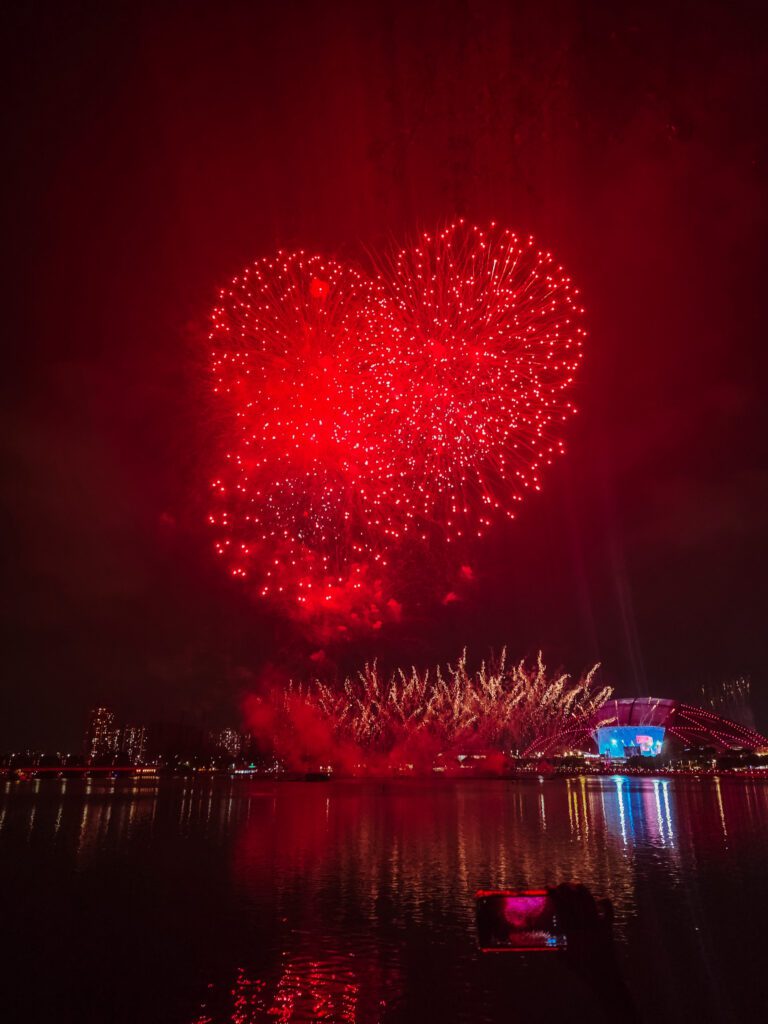
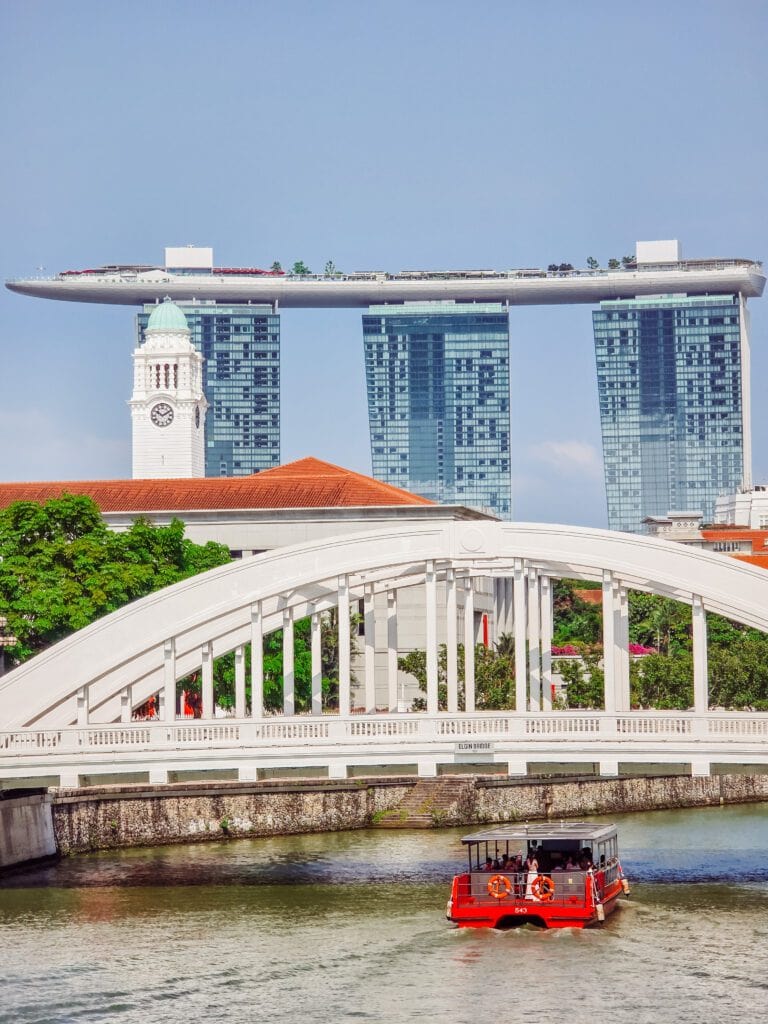
Table of Contents
Is Singapore Worth Visiting?
Yes — particularly if you’re visiting Southeast Asia for the first time or want an easy, safe, highly efficient city break. Why we think Singapore is worth visiting:
- it’s incredibly easy to navigate
- excellent public transport
- extraordinary food
- multicultural neighbourhoods
- architecture
- gardens
- cleanliness
- safety
- excellent airport
- great stopover destination
Planning Your Singapore Trip?
🏨Hotels: Find the best Singapore hotels by neighbourhood
🎟️Attractions: Compare attraction tickets and tours
📱eSIM: Get connected before you arrive
🚕Airport: Compare airport transfers
🍜Food: Book a Singapore food experience
What we didn’t love
There were a few things we didn’t love, although they were relatively minor:
- accommodation can be expensive
- some of the major attractions are expensive,
- the heat and humidity, especially during our August visit
- some attractions can feel heavily tourist-oriented
How Many Days Do You Need in Singapore?
| Time | Best for |
| 1 day | Stopover |
| 2 days | First-time highlights |
| 3 days | Singapore properly |
| 4 days | Singapore + Sentosa |
| 5+ days | Attractions/day trips |
If this is your first trip, we’d recommend 2-4 days → Our 2-Day Singapore Itinerary can help you plan your time!
Best Time to Visit Singapore
Singapore has a hot and humid tropical climate. As it is close to the equator the weather is on average between 26°C and 32°C year-round. The humidity sits around 85%.
| Period | Typical conditions | What to expect |
|---|---|---|
| Dec–Mar | Hot, humid, variable rain | Holiday periods can be busy |
| Apr–May | Hot and humid, frequent showers | Shoulder period |
| Jun–Sep | Hot and humid, variable rain | August can feel particularly hot & National Day is in August |
| Oct–Nov | Hot and humid, heavier showers possible | Shoulder period, Early Oct Singapore Grand Prix |
Our Verdict: Singapore is a year round destination. We visited in August and found the heat and humidity challenging, so if you’re sensitive to heat, February-April may be worth considering.
How Much Does a Trip to Singapore Cost?
Singapore can be expensive, however it is still possible to travel on a budget or midrange. This is what we budgeted for Singapore per person.
Singapore daily budget (in SGD)
| Traveller | Hotel (per room) | Food | Transport | Activities | Approx. total |
| Mid-range | $189 – $250 | $60 | $10 | $100 | $170 (+ room which depends on if it is shared or single. |
Our midrange estimate is based on two people travelling together and sharing a hotel room. Accommodation is therefore shown as the approximate nightly room cost, while food, transport and activities are calculated per person.

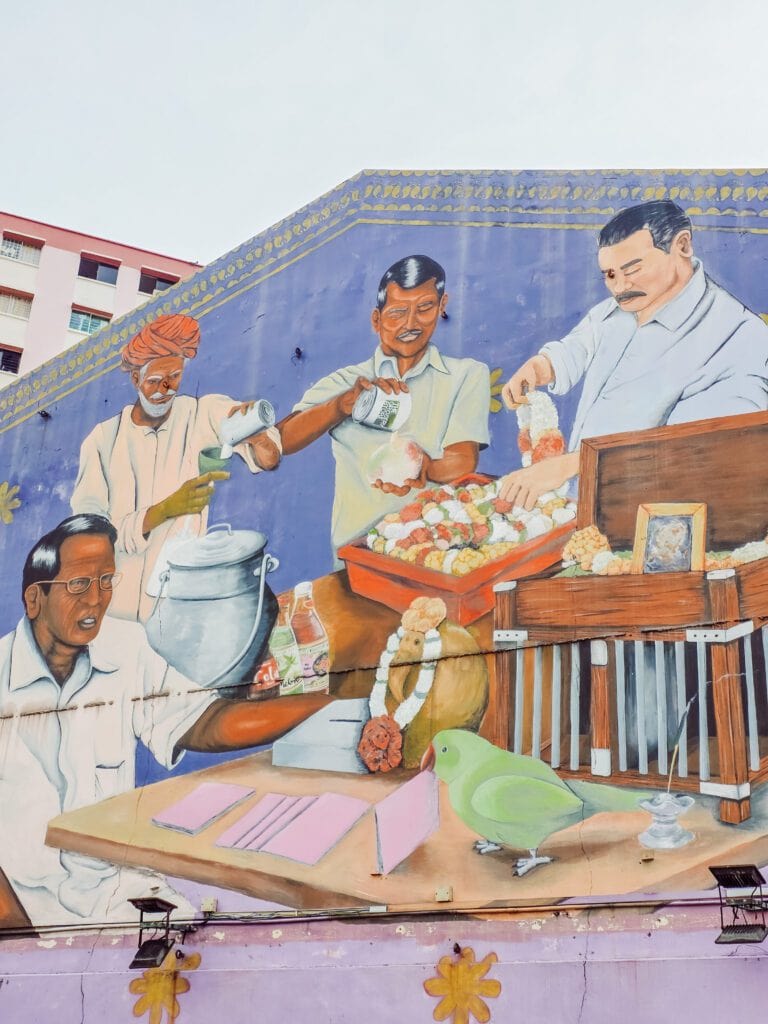
Is Singapore expensive compared with other Asian cities?
Singapore has a reputation for being expensive and when compared with cities like Bangkok, Kuala Lumpur and places in Bali it does have higher accommodation brackets. It is more in line with cities like Hong Kong and Tokyo in regards to expense. Of course you can always find cheaper accommodation, food and activities. We cover this in our 2-day Singapore itinerary.
How to save money in Singapore
There are lots of ways to save money when visiting Singapore such as eating in the hawker centres, walking or using the MRT and attending the excellent free attractions and choosing the right neighbourhood to stay to avoid unnecessary taxis and transport.
Where to Stay in Singapore
The most important thing to consider when choosing your accommodation in Singapore is which neighbourhood is right for you. There are a lot of options here so we have listed them out to help you decide.
| Best places to stay in Singapore | Best for | Price | Transport | Our Verdict | Best hotel by neighbourhood – ratings/quality/location |
| Changi Airport | Transiting Passengers | $$ | Located Inside Airport | ⭐⭐⭐ | Changi Transit Hotel Terminal 1 |
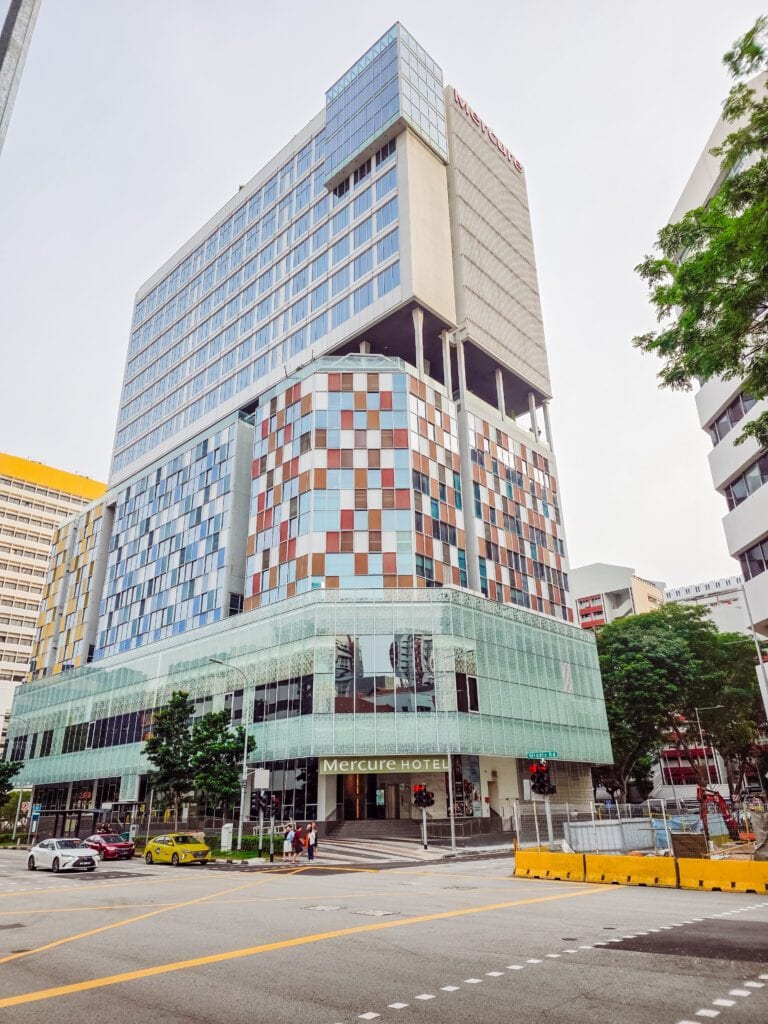
| Bugis / Kampong Glam | First Timers | $$ | Excellent | ⭐⭐⭐ | Mercure Singapore Bugis |
| Chinatown | Food/culture | $$ | Excellent | ⭐⭐ | Dorsett Singapore |
| Marina Bay | Luxury | $$$$ | Excellent | ⭐⭐⭐ | QT Singapore |
| Orchard | Shopping | $$$ | Excellent | ⭐⭐ | Pan Pacific Orchard |
| Little India | Budget | $ | Excellent | ⭐ | ibis budget Singapore Selegie |
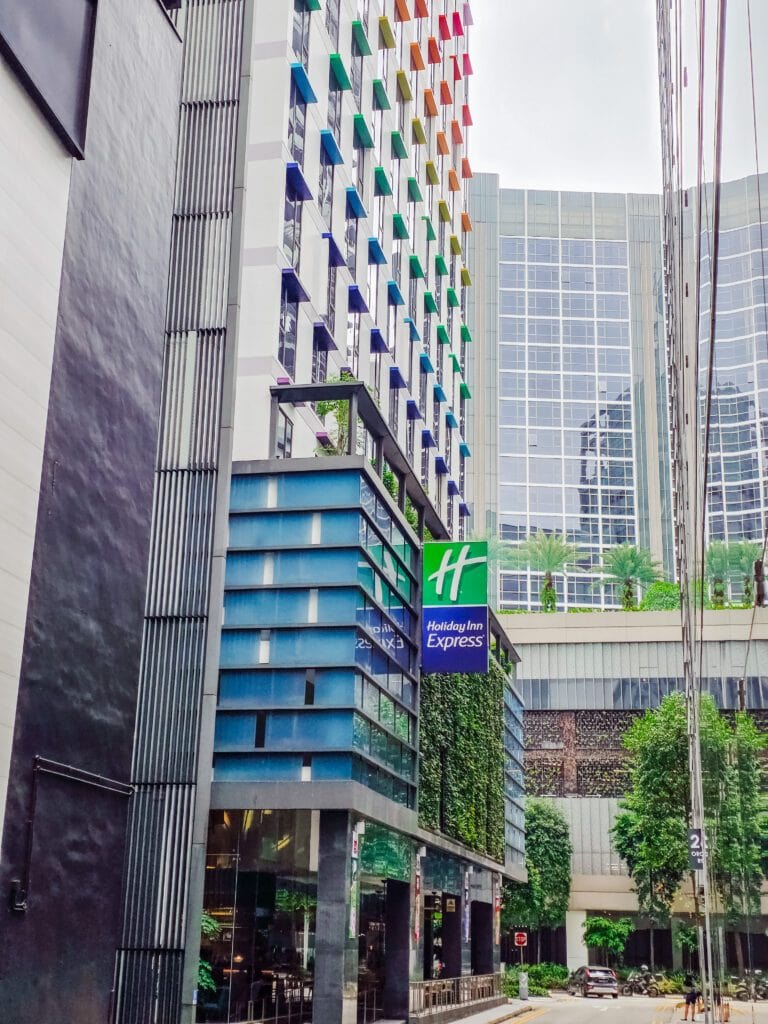
| Clarke Quay | Nightlife | $$$ | Excellent | ⭐⭐ | Holiday Inn Express Singapore Clarke Quay by IHG |
| Sentosa | Resorts | $$$$ | Good | ⭐⭐⭐ | W Singapore – Sentosa Cove |
Where We Stayed in Singapore
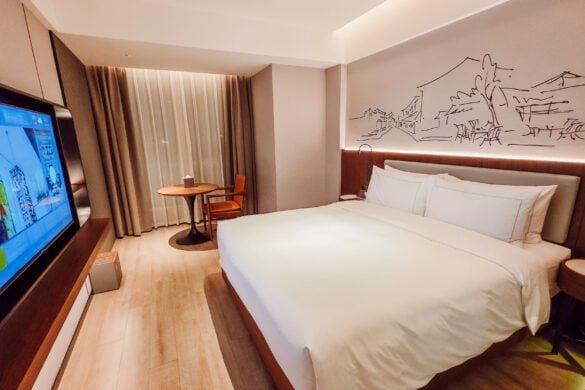
We stayed at the Ibis Budget Bugis Hotel, as we were looking for a budget/midrange option that would be a good central base. We were not planning on spending many hours in our room, really using it only to sleep as we would be exploring all day. Our prerequisites were clean, reputable, good reviews and in a central, walkable location.
Who we’d recommend it to: budget travellers who are not planning to spend much time in the room as it was quite small. Anyone who wants an excellent central location, 24-hour front desk and affordable rates.
Who shouldn’t book it: anyone looking for a spacious room, luxury facilities, breakfast or a hotel where they plan to spend a lot of time. Our list above has some of the best options for this.
Best Things to Do in Singapore
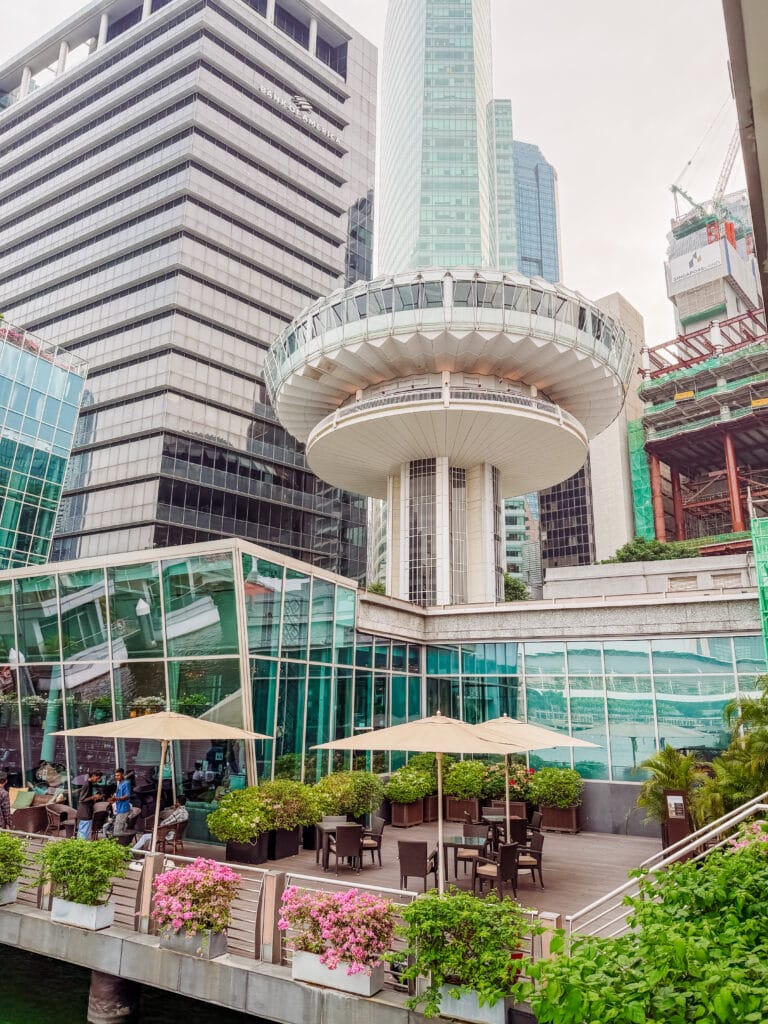
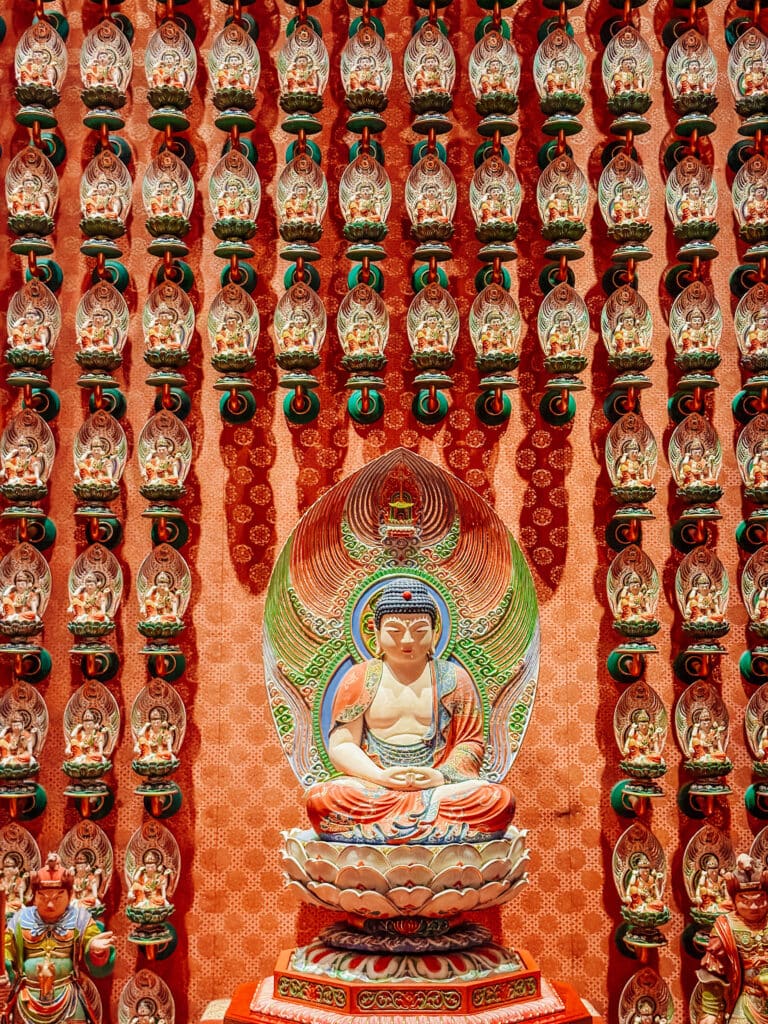
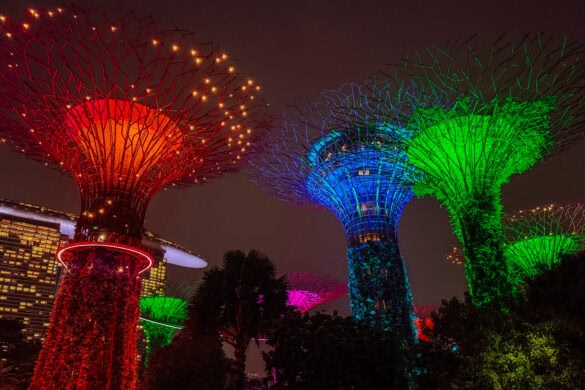
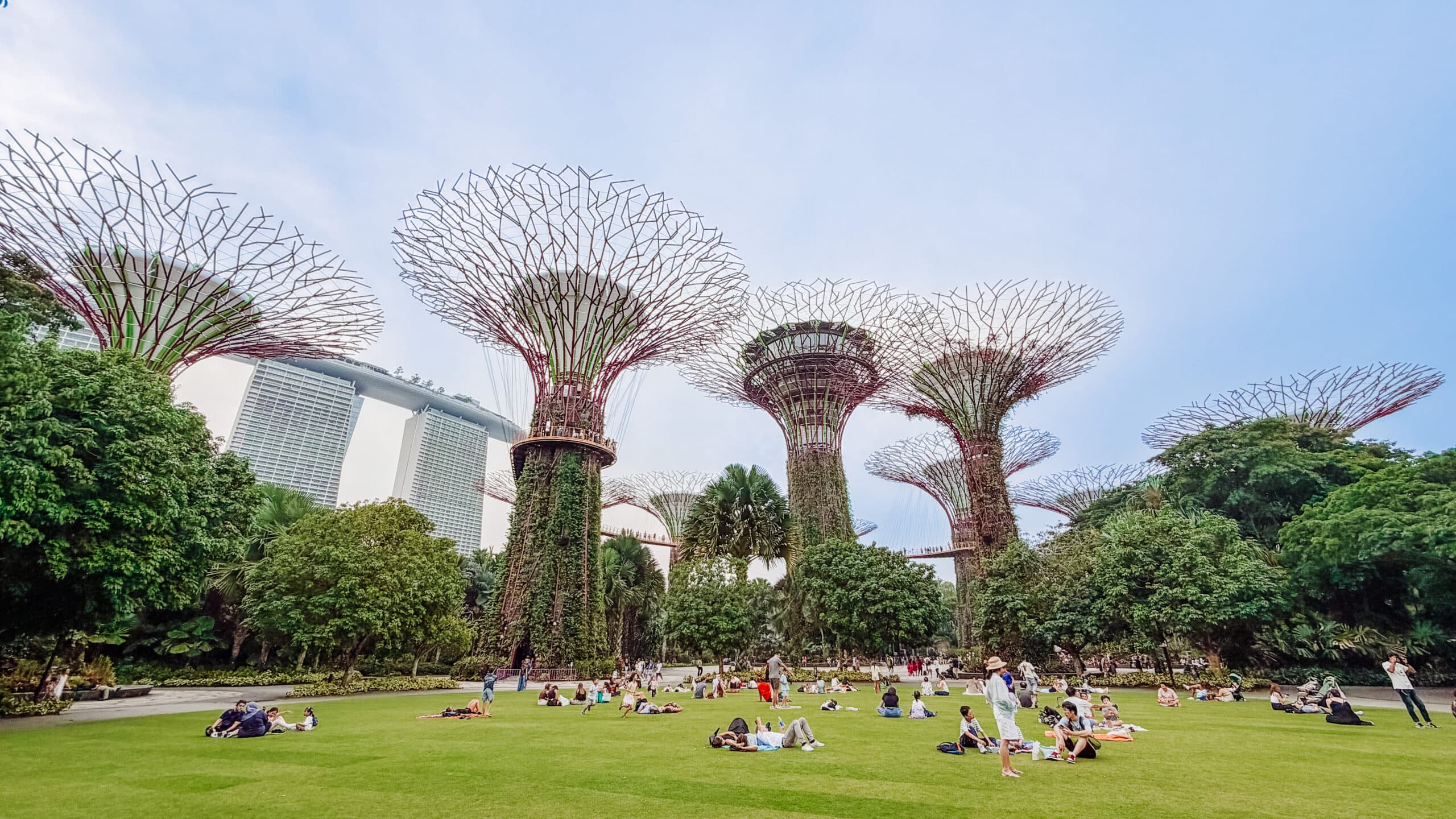
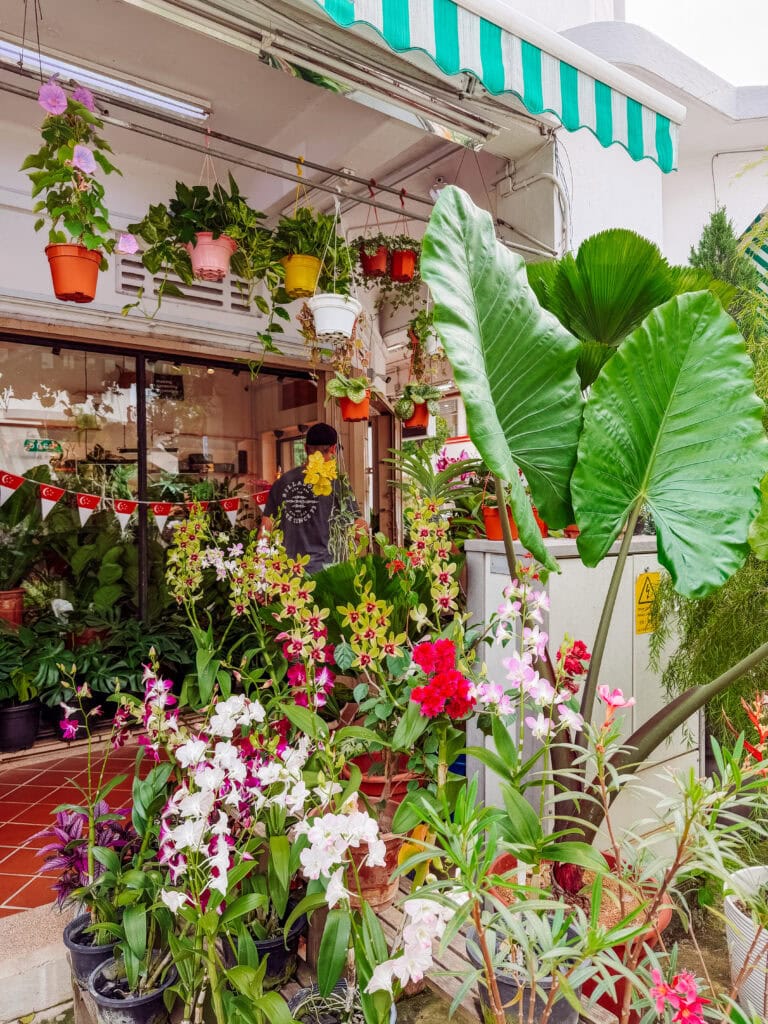
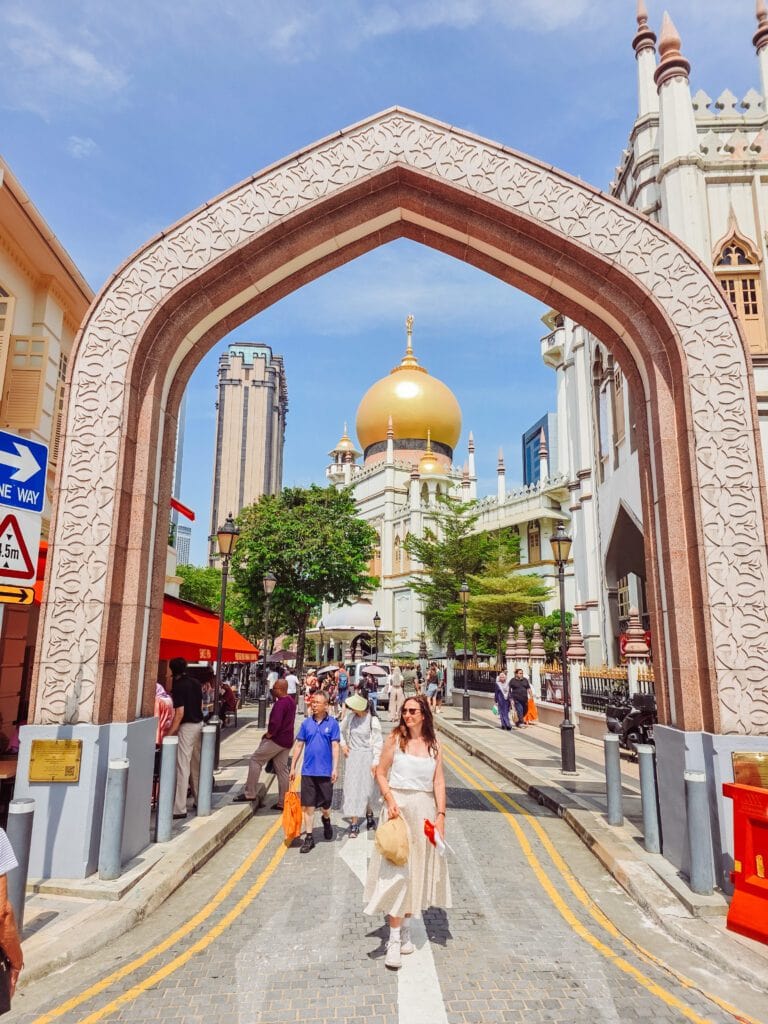
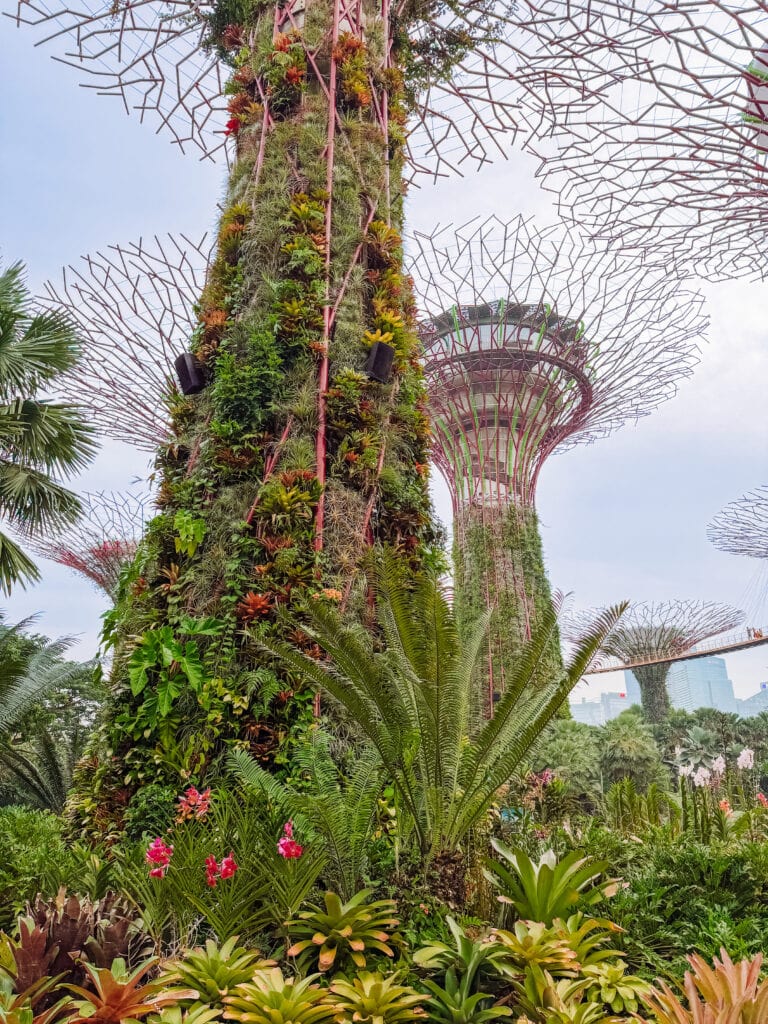
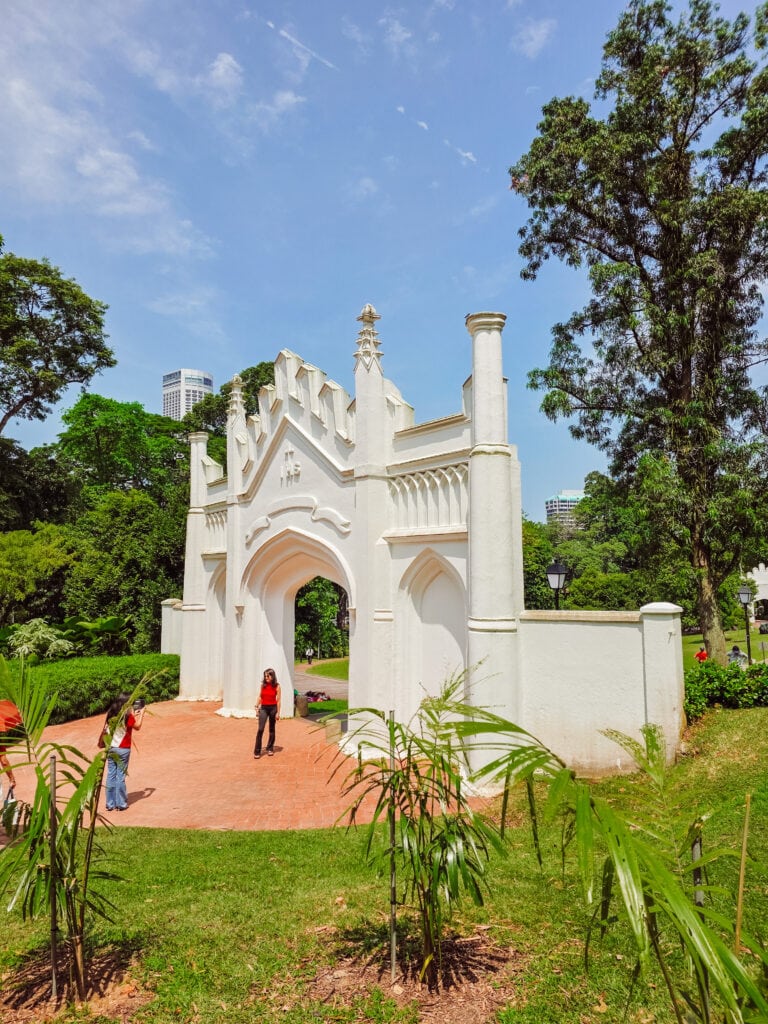
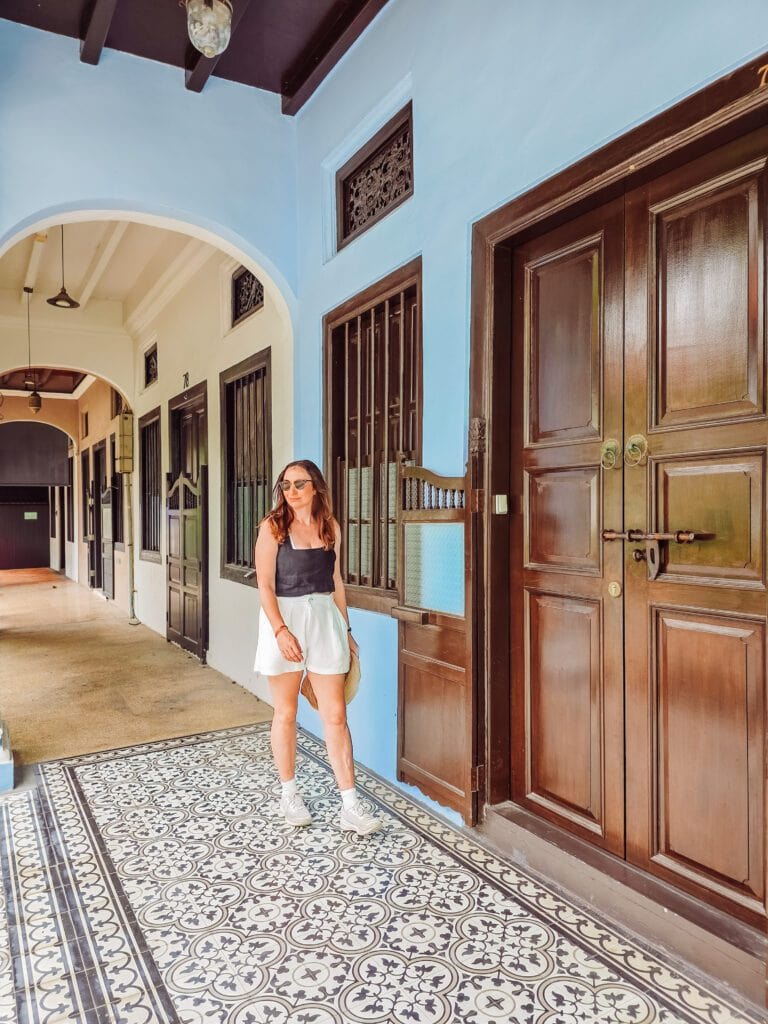
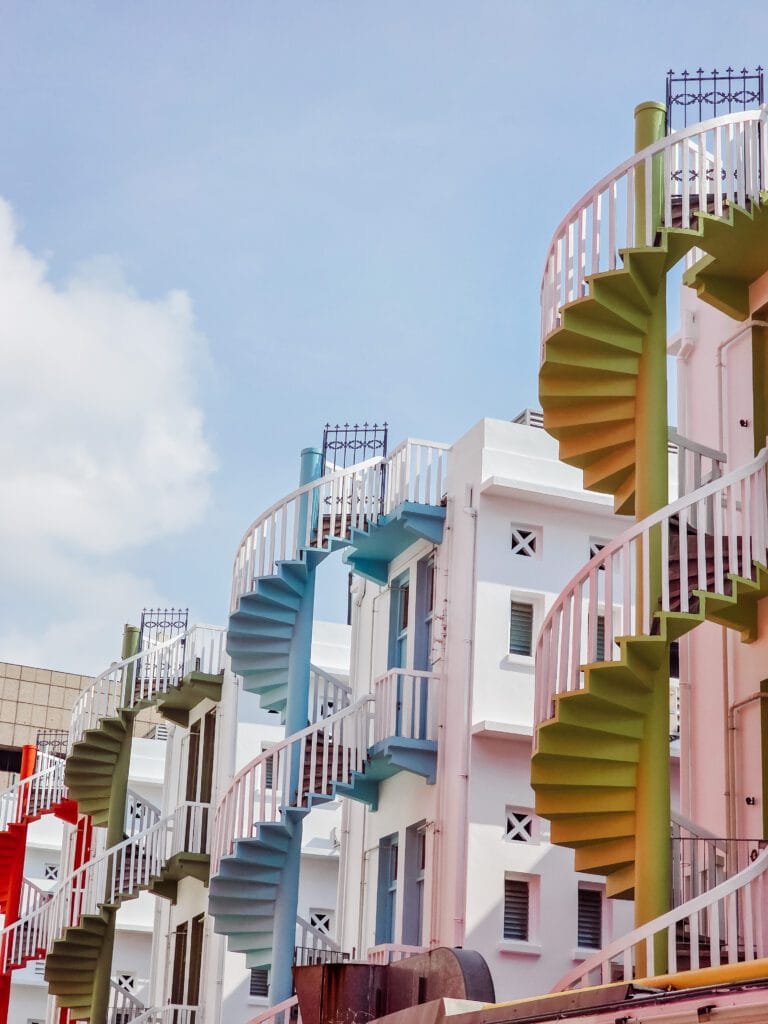
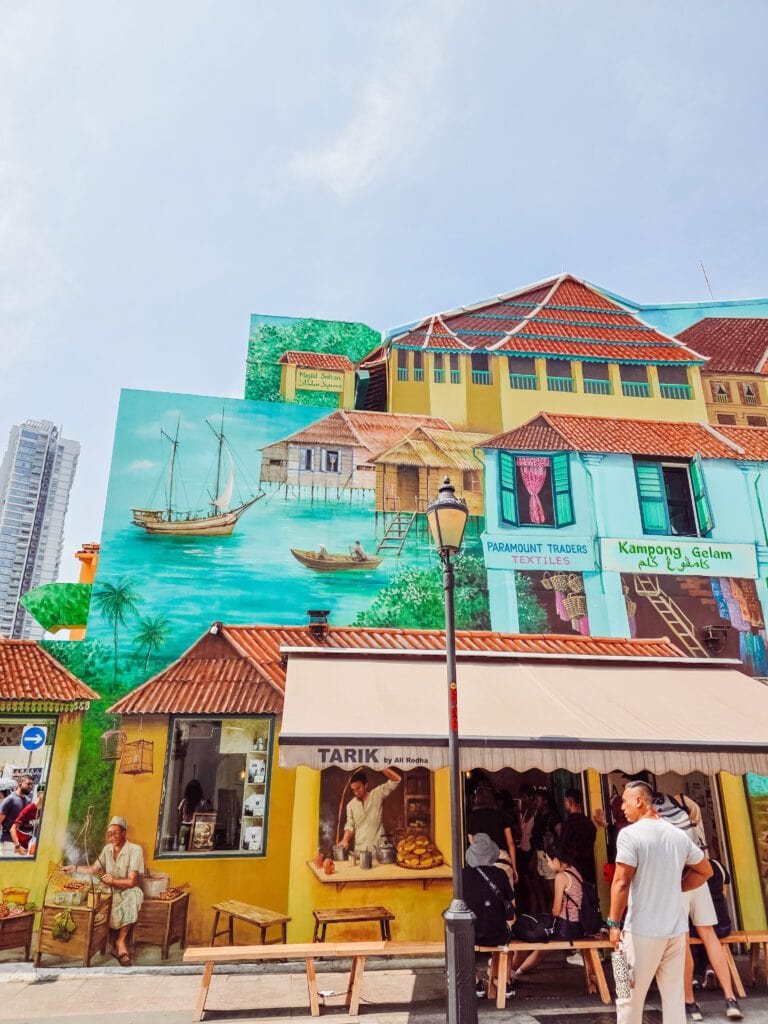
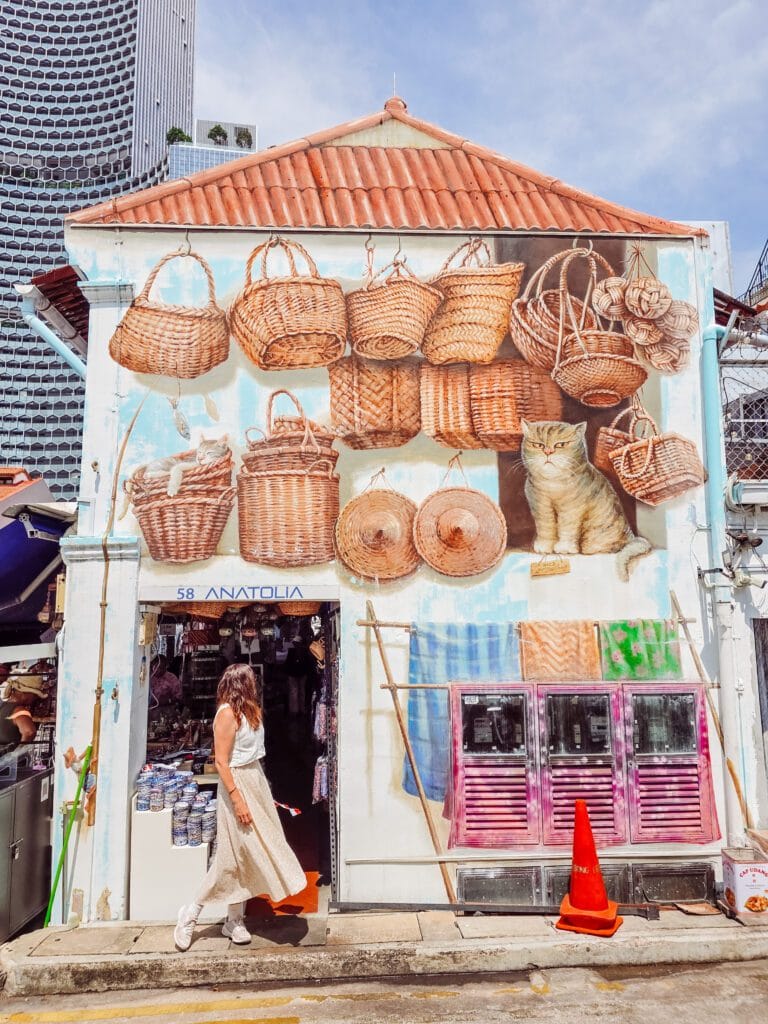
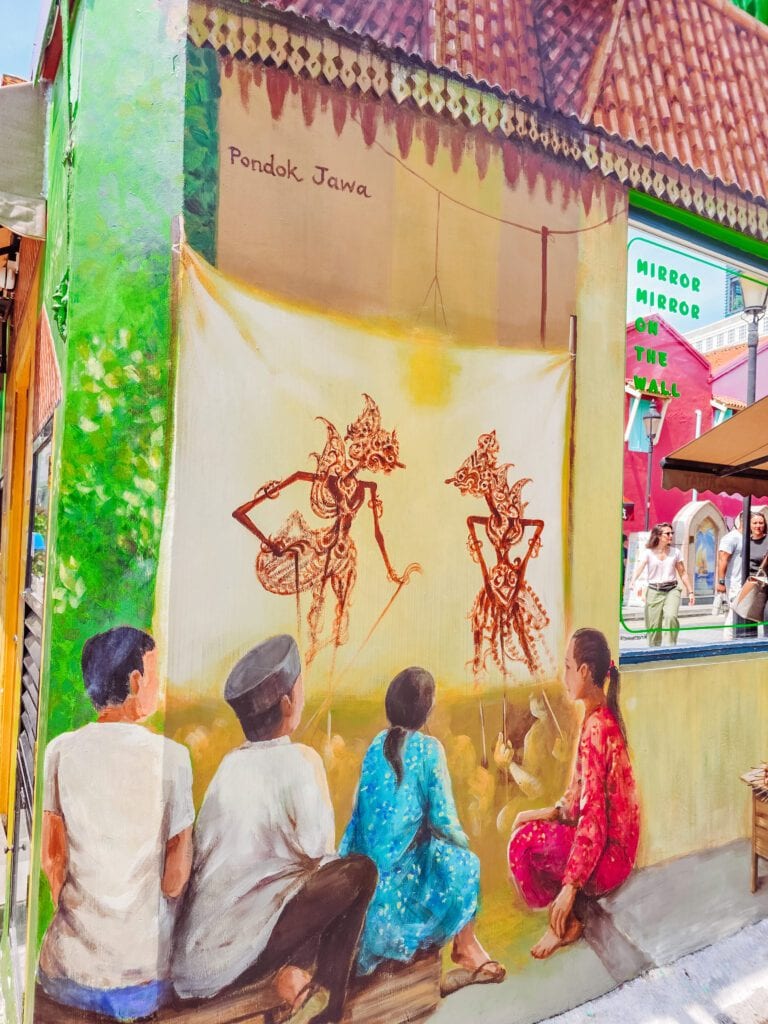
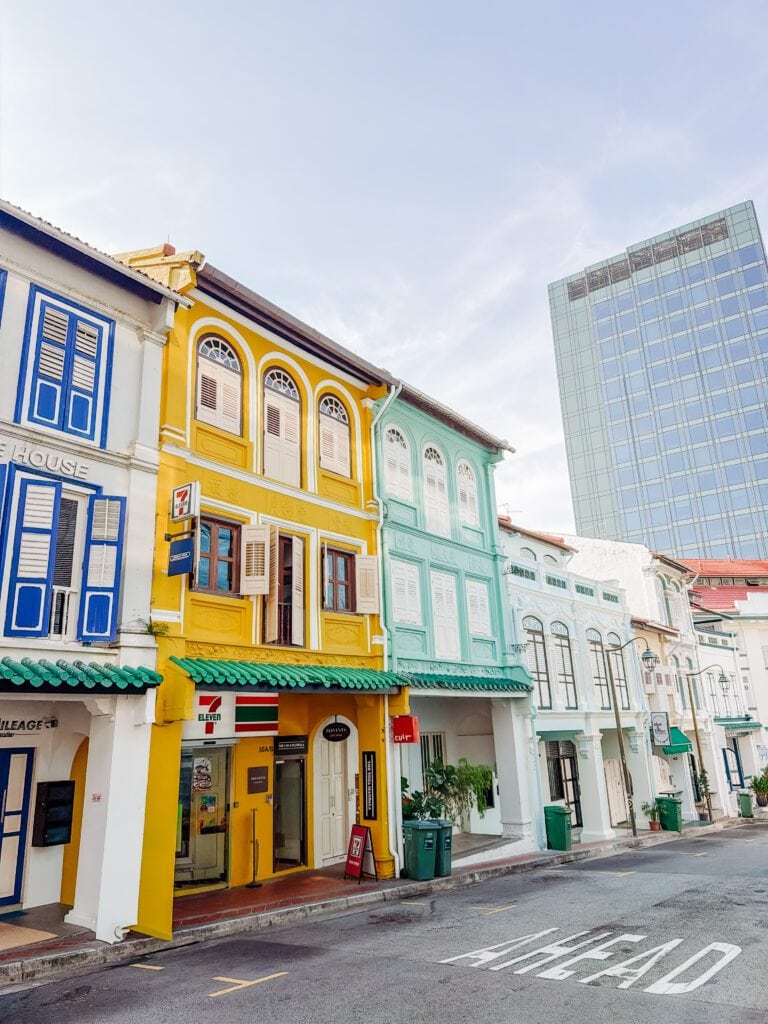
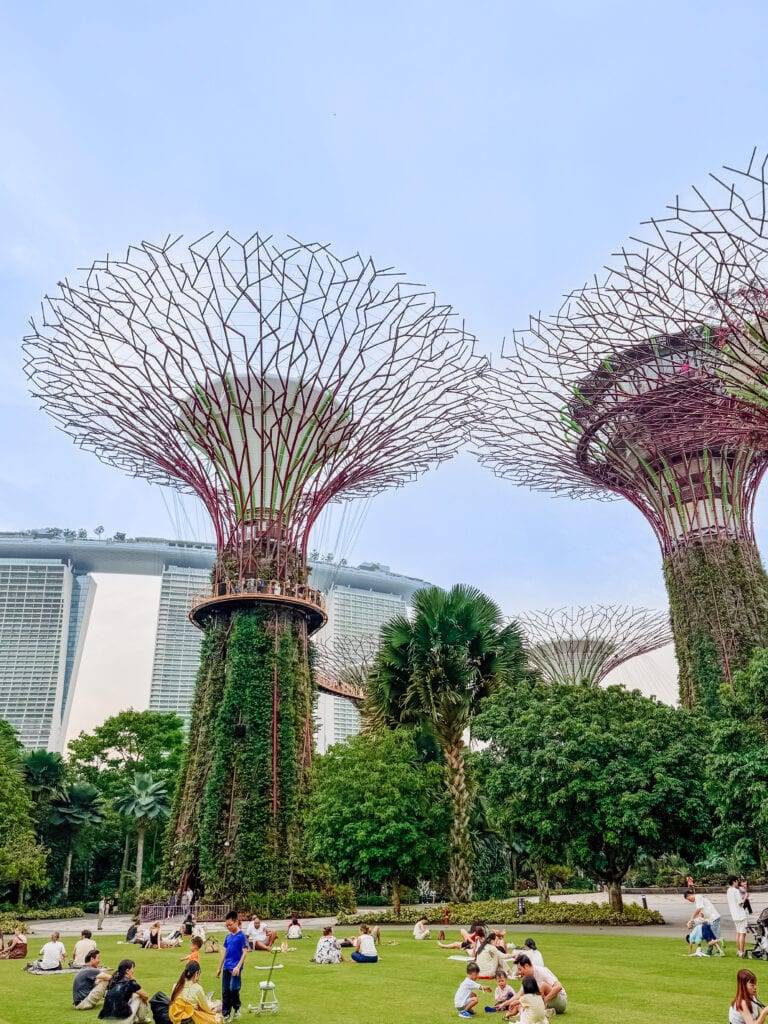
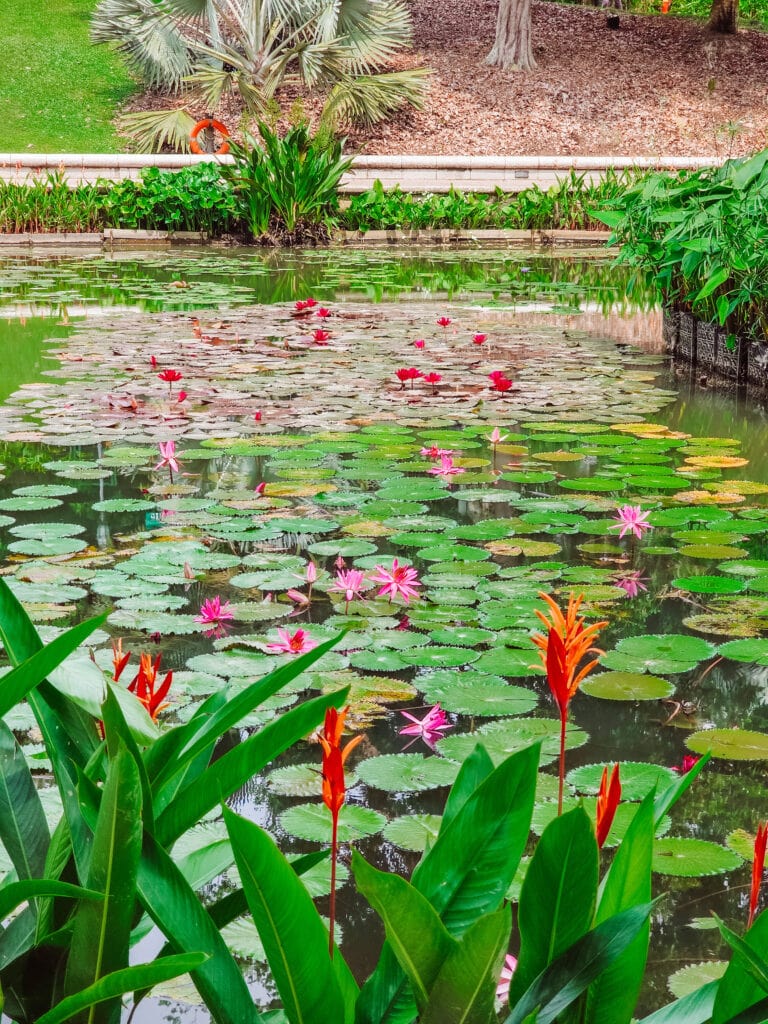
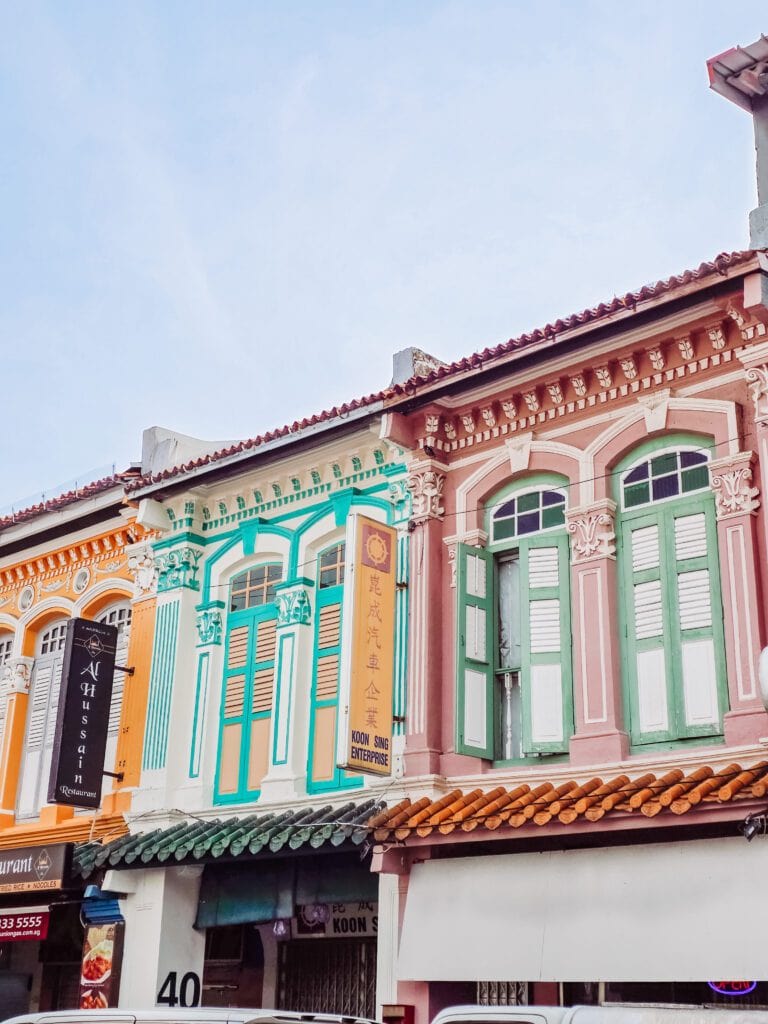
There are plenty of incredible things to do in Singapore, from exploring the futuristic Gardens by The Bay, wandering through Chinatown and Kampong Glam, eating our way through the city’s famous Hawker centres or strolling the stunning Singapore Botanic Gardens.
Want the complete list? → See our guide to the 35 Best Things to Do in Singapore
Enjoying this guide? Support our blog by buying us a coffee

The Best Free Things to Do in Singapore
Singapore can be perceived as expensive, but it is actually full of free things to do. We loved strolling along the Marina Bay waterfront and visiting Merlion Park as well as taking in the free nighttime shows and exploring interesting neighbourhoods, each with their own distinct character. Singapore offers enough free things to do to fill a couple of days easily → See all 50 free things to do in Singapore.
Getting Around Singapore
Singapore is an easy city to navigate. If you base yourself centrally you can walk to most of the city attractions. Alternatively you can use public transport, Grab ride share or taxis.
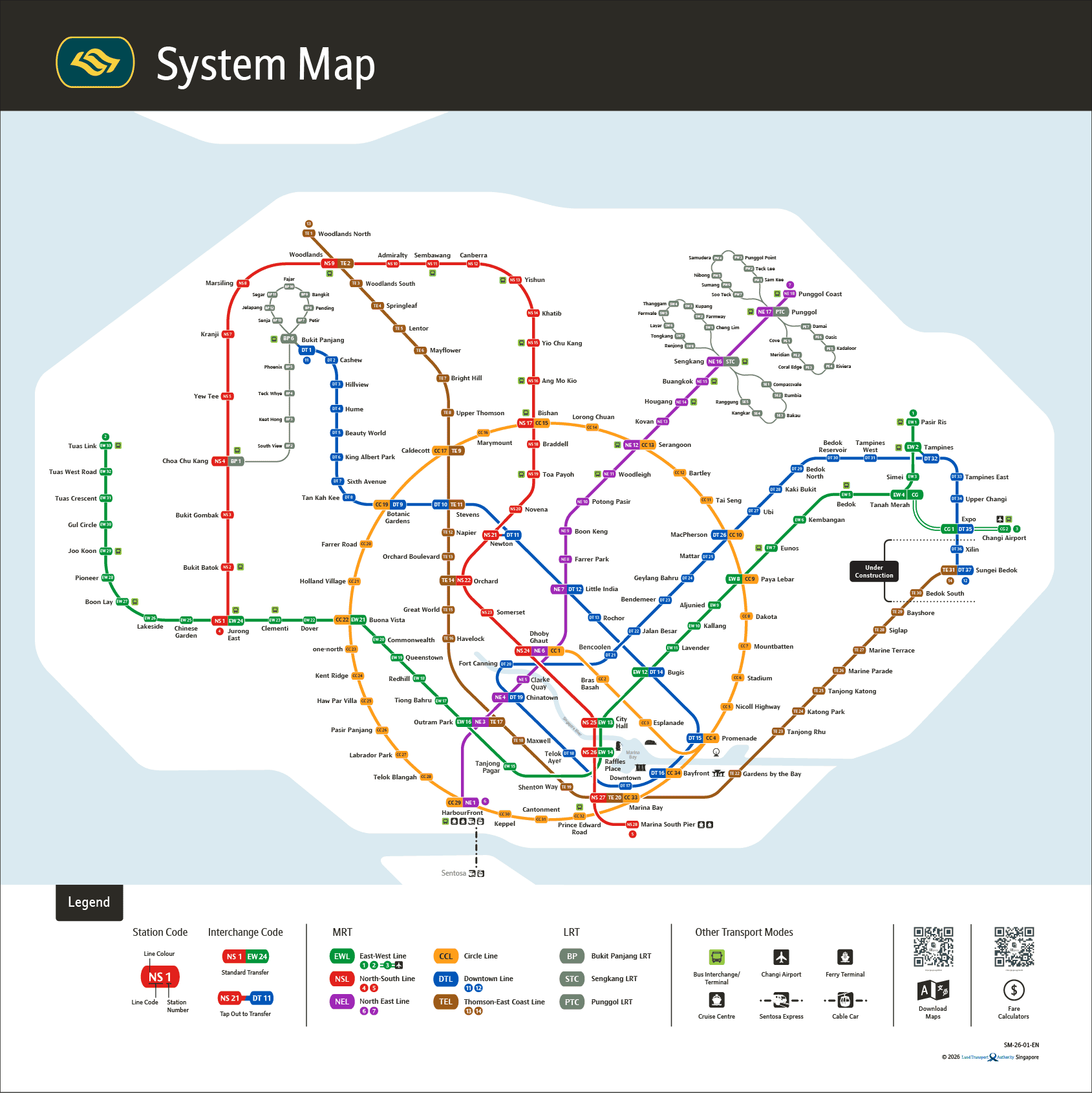
Singapore MRT
The MRT is so easy to use and quite affordable. We paid $1.98 SGD to get from Little India to the Singapore Botanical Gardens, however fares do vary by journey. The MRT is clean, safe and easy to use. You just tap on with your Visa or Mastercard and tap off when leaving the station. Train operating hours vary by line and station, so check the latest timetable if you’re travelling very early or late.
There is also a tourist pass that you can purchase for the MRT, it can run between 1-5 days depending on your needs. You can either buy online or in person and use this card for unlimited rides.
The MRT trains can arrive every 2-5 min, making them a really convenient way to get around especially if you don’t want to walk in the heat. You can check out the tourist pass to see if it suits you, you can purchase it just for transport or bundle it with discounts for shopping, activities and dining.
Singapore buses
The buses in Singapore are also really easy to use, you can also tap on and off with your tourist card or Visa/Mastercard. The buses run similar hours to the MRT.
Walking
We walked everywhere in Singapore, our accommodation was really central so it was pretty easy. The attractions we wanted to see were easily within walking distance.
Taxis and Grab
We didn’t use taxis at all but we did use Grab ride share to get around at times. The app works the same as Uber. It was really affordable as well.
Getting from Changi Airport to Singapore
We used Grab to get to and from Changi Airport as the trains weren’t running at the times we arrived and had to leave. The fares were ~ $25 SGD for each ride but we found a $1 SGD voucher on the Grab app which we purchased, it gave us a $5 SGD and a $3 SGD discount of our Grab rides. We ended up spending $21 SGD and $19 SGD to get to and from the airport after those discounts.
Other options are the MRT – you can take the train from the airport (running between ~5:30am-11pm). The airport station (CG2) is in the basement between Terminals 2 and 3. You ride this for one stop to change to head in the direction of your accommodation if required.
Another option is a private transfer to pick you up or drop you at your hotel, this is the best place to compare them.
What to Eat in Singapore
Singapore is a huge foodie destination, the must try Singaporian foods are: chicken rice, laksa, nasi lemak, satay, kaya toast, chilli crab, char kway teow and hokkien mee. For a full breakdown of what to eat, where to find it and what we recommend, see our complete Singapore Food Guide.
Singapore Hawker Centres
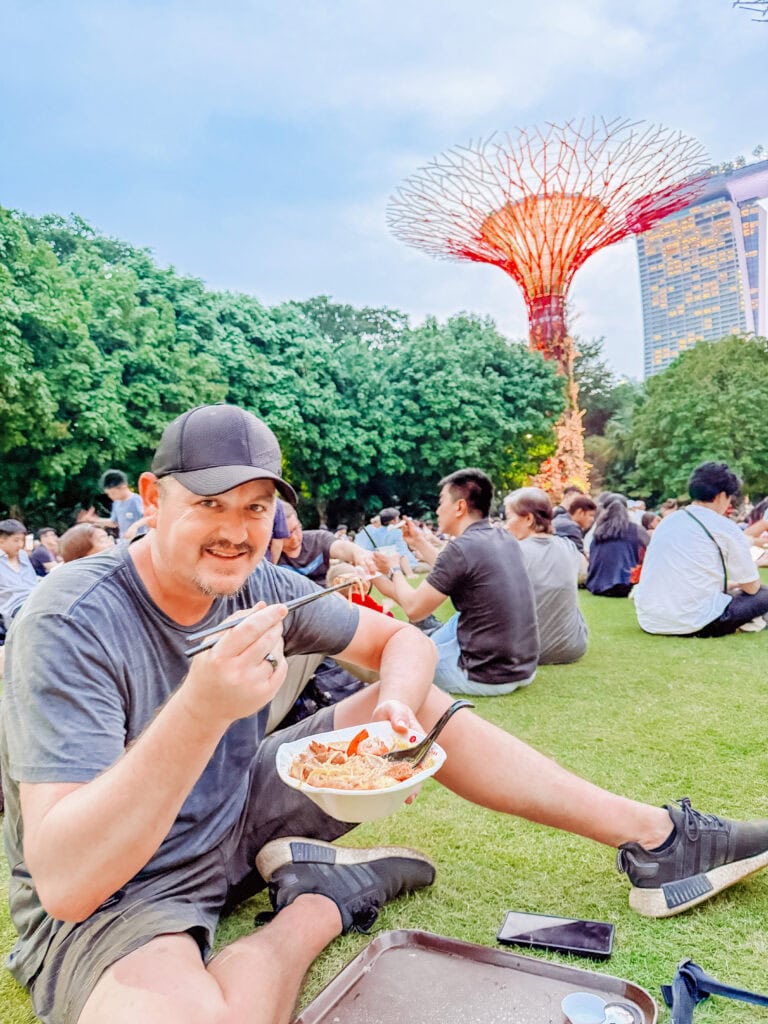
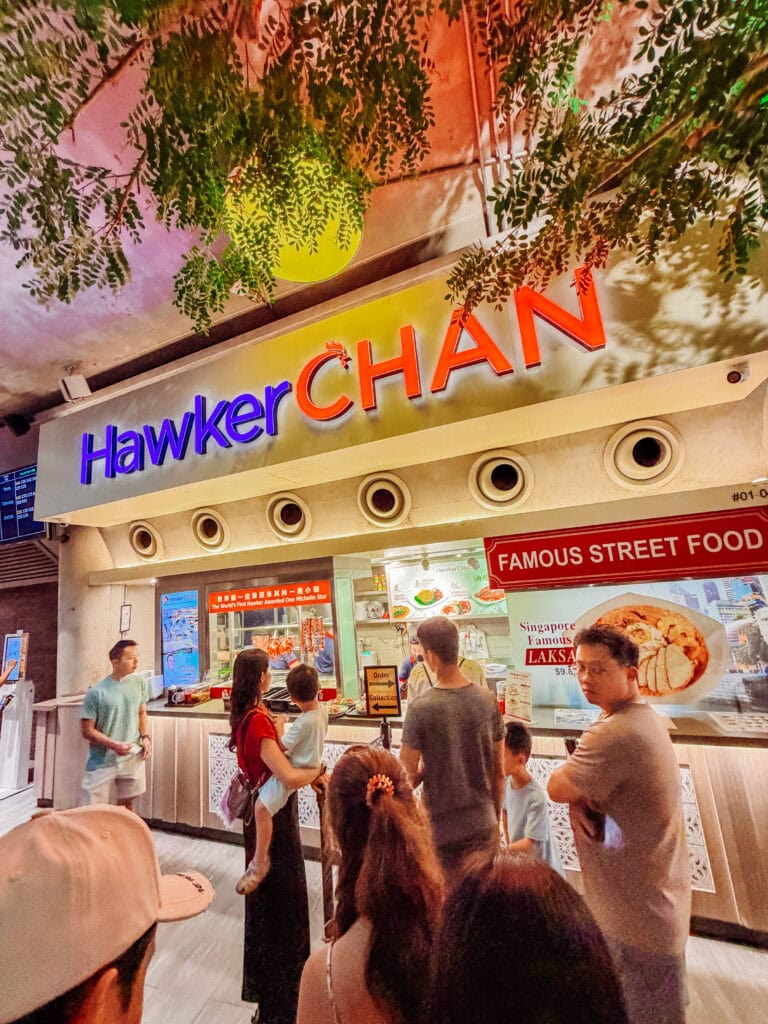
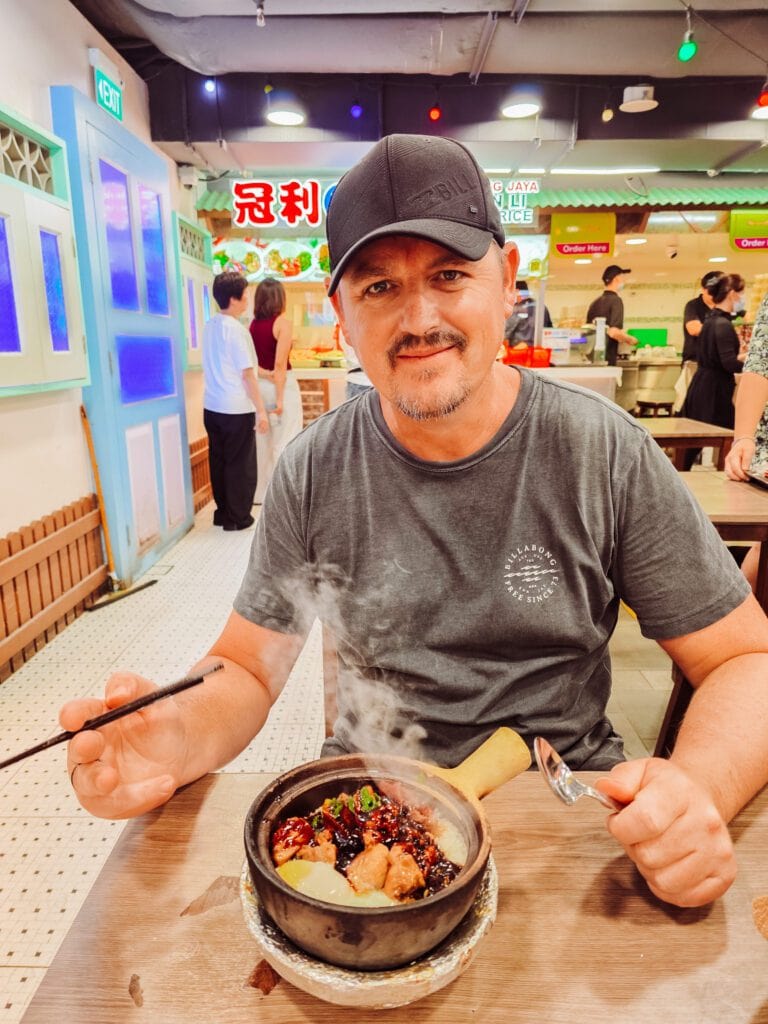
Singapore Hawker Centres are an area, usually in a shopping centre or mall, with lots of different food stalls, in Australia we call it a food court. Walk around and scope out what type of food you want to eat, there could be multiple of the same food or lots of different cuisines. Find a table and leave a ‘chope’ on it, usually a small packet of tissues to keep the table. Line up and order & pay for your food. Tipping is not expected and many of the stalls have open kitchens, so you can see your food being prepared. You will either be given a buzzer or just keep an eye on the cook and the staff will nod when your food is ready. You can expect a flavour filled dish for affordable prices, this is where locals eat.
First-time hawker centre instructions:
1. Find a table (put something on it to keep if you are alone, commonly a small tissue pack is used)
2. Look for the stall/food you want
3. Order
4. Pay
5. Return to your table
6. Return your tray where required
Singapore Travel Tips for First-Time Visitors
These are our top travel tips for first time visitors to Singapore, the things we wished we knew before our first time visiting.
1. Singapore is hotter than you expect
We were so surprised by how hot and humid Singapore is! We are from Australia and used to a hot, humid summer but for some reason it really surprised us here.
2. Bring an umbrella
This is a must for the sun and the rain, you will get both on most days and an umbrella comes in very handy. Get a small travel umbrella that you can easily carry around.
3. Use the MRT
This makes getting around in the heat much easier. The MRT is convenient, cheap, fast and most importantly…air-conditioned! You can save on long hot walks if you prefer not to feel the heat and at around $2 SGD per trip, it is worth it. Or grab a Tourist Card to buy unlimited trips for up to 5 days.
4. Don’t assume Singapore has to be expensive
Singapore is as expensive as you want it to be. We really believe you can travel on a budget or mid-range anywhere and Singapore is a perfect example of that. You may pay a little more for budget accommodation than you are used to in Asia however you can eat, sightsee and travel on a budget easily.
5. Eat at hawker centres
Hawker centres will give you the most affordable and probably some of the tastiest food for your money. Look for what the locals are eating and go for that, it is the best way to find a good deal and best tasting options.
6. Carry a reusable water bottle
This is good practice for all travels but even better in Singapore as the tap water is deemed safe to drink (always make this decision for yourself of course). We always carry our LifeStraw Go water bottles that keep drinks cool and have a filter and refill them where possible. It is a great way to save money and you will definitely want to stay hydrated in Singapore heat.
7. Bring comfortable walking shoes
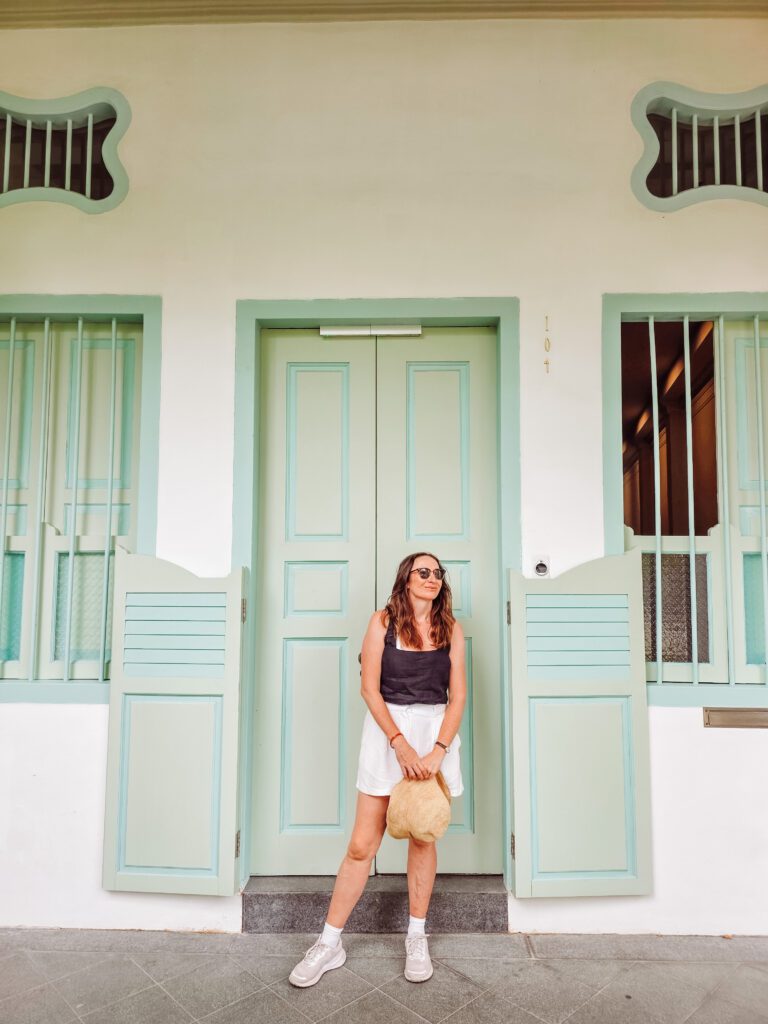
This is so important! Even if you are using the MRT you will have to walk to get to the station and around attractions. We always have comfortable sneakers on us or a supportive pair of sandal style shoes.
8. Understand Singapore’s rules
Singapore has some rules that are expected to be followed by travellers and they really help to keep the city as clean and beautiful as it is. Things like no spitting, littering, chewing gum, eating or drinking on public transport or feeding pigeons are strictly enforced. Things like smoking (in many places), vaping, leering, staring and unwanted contact are banned. Singapore feels very safe and clean due to these rules and you will see signage to remind you.
9. Don’t overpack your itinerary
There is a lot to do in Singapore, choose the things you most want to do and see and then a back up list for if there is time. You want to give yourself enough time to get around the city and to enjoy eating the food!
10. Book popular attractions ahead
The most popular things to do in Singapore book out early so make sure if there is something you want to see or do that you pre-purchase your ticket and avoid the disappointment.
11. Carry a card that works internationally
We always bring a Visa and a Mastercard that works internationally with no international transaction fees or ATM withdrawal fees. Make sure to log in to your account and fill out the travel information so your bank knows where you may use your card and doesn’t block it.
12. Download the useful apps
The only app you really need for Singapore is Grab, but I would make sure to download it and set it up before you arrive.
13. Expect rain
This is going to happen generally all throughout the year. The showers can be more of a thunderstorm but usually don’t last very long. We carried an umbrella and packable rain jacket on us as it is better to be safe than sorry.
14. Air conditioning can be intense
Most stores and hotels have excellent air-conditioning, be ready to either pop into a convenience store to cool down or have a light cardigan with you if you go to do dinner as it can get cool.
15. Check attraction opening hours before travelling
Opening hours can change depending on time of year, make sure you check the times before heading to attractions. The MRT and buses also change schedule so keep an eye out for that too before leaving your hotel.
Singapore Laws & Things Tourists Should Know
Singapore has a reputation for strict laws and regulations, but most travellers simply need to follow normal standards of public behaviour and pay attention to local rules. Things visitors should be particularly aware of include:
- littering
- smoking restrictions
- vaping restrictions
- chewing gum regulations
- littering
- spitting
- drug laws
- jaywalking
- public behaviour
- public drinking restrictions
- eating and drinking on public transport
As laws can change from time to time it is best to check with the local authorities before travelling, Visit Singapore has a wealth of information on these topics.
Internet, SIM Cards & eSIMs
Internet connection in Singapore is excellent, we could use the wifi in our hotel easily and it was fast. We used a Trip.com eSIM during our visit and had no problem with connection.
→ Compare Singapore eSIM plans
Money in Singapore
What currency does Singapore use?
Singapore uses the Singapore Dollar (SGD) denominations consisting of 5c, 10c, 20c, 50c, $1 coins and $2, $5, $10, $50 and $100 notes.
Can you use credit cards?
Yes, widely. Even small shops and vendors will accept credit cards.
Do you need cash?
Cash can be useful at hawker centres and small stores however almost everywhere takes card.
Do you tip in Singapore?
Tipping is not customary in Singapore, and you are not expected to tip at restaurants, cafes or for most everyday services. Some restaurants and cafes add a 10% service charge to the bill, so check before adding anything extra. If you receive exceptional service, you can always leave a small tip, but it is entirely optional.
ATMs
If you draw money out at ATMs then make sure to have an international card with out a withdrawal charge or international transaction fee.
Singapore Entry Requirements
Before travelling to Singapore check:
- passport validity
- visa requirements
- SG Arrival Card requirements
- customs requirements
- immigration requirements
- onward travel where relevant
- any health or vaccination requirements that apply to your circumstances
Entry requirements can change, so always check the latest information with Singapore’s official immigration authorities before travelling.
What to Pack for Singapore
These items help to make Singapore’s hot and humid climate a little more comfortable. We usually pack them for any destination of a similar temperature.
What not to forget
- breathable clothing
- comfortable walking shoes
- umbrella
- sunscreen
- reusable bottle
- personal charger & fan
- light rain jacket
Check out our full Passport Nomads Singapore packing list.
Is Singapore Safe?
In our experience, Singapore felt extremely safe. From taking Grab rides, using the MRT and walking around the city, we never felt concerned about our safety. I also walked around by myself at night and felt comfortable doing so.
That said, no destination is completely risk-free. We always recommend following the usual travel safety precautions, such as keeping an eye on your belongings, being aware of your surroundings and taking extra care in busy or unfamiliar areas. A little common sense goes a long way.
Singapore Itineraries
| Days | Itinerary |
| 1 day | Singapore stopover |
| 2 days | First-time Singapore |
| 3 days | Singapore highlights |
| 4 days | Singapore + Sentosa |
| 5 days | Singapore at a slower pace |
→ 2 Days in Singapore: Perfect First-Time Itinerary
Singapore for Different Types of Travellers
Exploring Singapore for couples
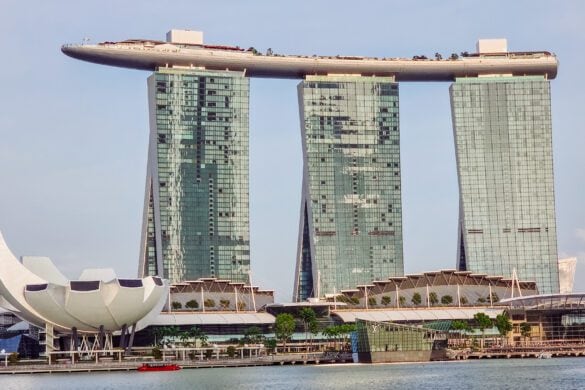
Singapore has some very romantic attractions making it a perfect couples trip! Whether you want to stay in a 5-star hotel, dine in restaurants or in the sky, take in the city from Marina Bay Sands or on the river, there’s enough date ideas to fill up your itinerary!
Singapore for solo travellers
A relatively safe destination for solo travellers, there are loads of activities to do while getting around Singapore. It is really walkable and the public transport is great for transport.
Travel in Singapore for families
Travelling in Singapore for families is easy because public transport is efficient, attractions are well organised and there are plenty of family friendly options, including the zoo, aquarium, Universal Studios Singapore, gardens, night light shows, river cruises and water parks.
Singapore for older travellers
Singapore is generally a convenient destination for older travellers with extensive public transport. The English language signage and many attractions that are accessible by MRT or taxi. However the heat, humidity and amount of walking involved could be challenging, so planning rest breaks and using air-conditioned transport can make a big difference.
Singapore for budget travellers
While Singapore has a reputation as a very expensive city there are actually loads of free or budget attractions. Check out our Singapore on a budget article to see why it isn’t as expensive as you might first think.
Singapore for foodies
Singapore is a haven of exciting flavours and taste sensations to try. We only spent a couple of days here and couldn’t fit in all the foods we wanted to taste so will definitely come back to add to our list. From the famous chilli crab to the simple Kaya toast, you will not be bored.
Singapore for first-time Southeast Asia travellers
Singapore makes a great first Southeast Asia destination. The language is easy, the city is clean and organised and will feel comfortable. It is an easy transition step to travelling in Asia.
Singapore as a stopover
You can spend a perfect stopover in Singapore, we have a Singapore as a stopover article to show you what we would prioritise in one day.
Singapore before or after a cruise
If you are cruising from or to Singapore it makes a great place to include for a few days before or after your cruise. Singapore has two cruise terminals commonly used fro cruise departures and arrivals: Marina Bay Cruise Centre Singapore and Singapore Cruise Centre at Harbour Front, make sure to check which you are scheduled for.
Singapore Cruise Port
There are two main cruise ports in Singapore, Marina Bay Cruise Centre Singapore and Singapore Cruise Centre (HarbourFront). Both are about 5km from the central area of Singapore and well connected by public transport or taxi / ride share. If you are visiting Singapore on a cruise port day there is a lot you can do or book a tour.
If you have time to explore Singapore before or after a cruise, check out our Singapore itinerary.
Frequently Asked Questions
Is Singapore worth visiting?
Yes! Singapore is a great city to explore, not only has it got lots of attractions but it is clean and comfortable to travel in.
How many days do you need in Singapore?
We stayed for 2 days in Singapore which is perfect for a first time trip. If you want to try and see most of the city then 4-5 days will be enough.
Is Singapore expensive?
Singapore has an expensive reputation but it doesn’t have to be, read our tips to make your Singapore trip more affordable.
What is the best area to stay in Singapore?
We stayed in Bugis and loved how central it was, we were able to walk to most attractions. We have listed each neighbourhood above with who each suits by travel style.
What should I not miss in Singapore?
Gardens by the Bay, the Singapore Botanical Gardens, a river cruise and exploring all the different neighbourhoods.
Is Singapore safe for tourists?
For us, Singapore felt safe. We always advise to use your usual travel safety precautions in every destination though.
Can you drink tap water in Singapore?
Yes, the tap water in Singapore has been rated as safe to drink. We used our LifeStraw Go bottles that use a filter and filled them up where possible.
Do I need cash in Singapore?
Not a lot. We only used cash at a small stall in a hawker centre twice and the cost was under $2 SGD each time. I would carry a small amount.
Is Singapore easy to get around?
Singapore is very easy to get around. The centre is walkable and the public transport is very clean, organised and easy to use. Use Grab for a ride share app.
What is the best month to visit Singapore?
Singapore is hot and humid year-round. We visited in August and found the heat particularly intense. Feb to April can be a good period to consider if you prefer somewhat less wet conditions, although weather varies.
Is 2 days enough for Singapore?
In 2 days you can see a lot of attractions and get a sense of the city. You won’t get time to try all the foods and see everything, but it makes for a great first visit.
Is Singapore good for a stopover?
Singapore is an excellent stopover city. The airport is our favourite and makes it so easy to get in and out of. Check out the Free Singapore Tour for transit guests and the current stopover rules.
What should I eat in Singapore?
Singapore is full of great food options, foodies will love it! The main dishes to try are the chilli crab, kaya toast, hokkien mee, chicken rice, laksa.
How much money do I need for 3 days in Singapore?
This really depends on your travel style, for a midrange traveller you could budget $170 SGD per person/day for food, transport and attractions. Accommodation would be between $189-$250 SGD per night.
Our Singapore Verdict
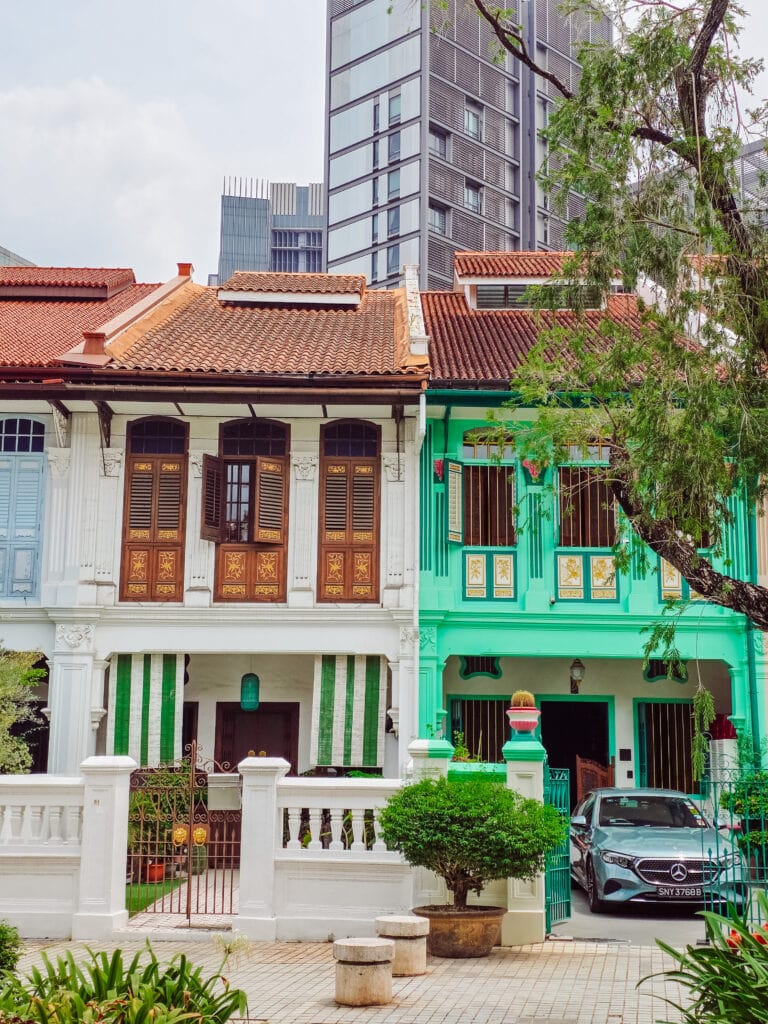
We really enjoyed our time in Singapore and were surprised by how much more there was to see and explore than we expected. We loved the Botanic Gardens, Gardens by the Bay and exploring the different neighbourhoods. Two nights gave us a great to get a taste of the city, but we would recommend around 3-4 days if you want to experience Singapore at a more relaxed pace.
Our biggest piece of advice is not to cram too much into each day. Singapore may look compact on a map, but you’ll enjoy it much more if you leave time to wander, eat and experience each neighbourhood rather than rushing between attractions. We’ would’d likely return to discover more of the city and explore the layers that make Singapore such an interesting destination.
Continue Planning Your Singapore Trip
→ Changi Transit Hotel Terminal 1 Singapore Review: Is This the Best Changi Airport Transit Hotel?
→ Singapore Travel Guide
→ 2-Day Singapore Itinerary
→ 16 hours in Singapore Airport
→ Plaza Premium Lounge Changi Airport, Singapore
Want to see it all in action? Watch our Singapore content on YouTube (subscribe to our channel to stay up to date with our travel guides) and follow along on Instagram @passport_nomads and @kelly___buckley for real-time travel tips, guides, and behind-the-scenes moments.