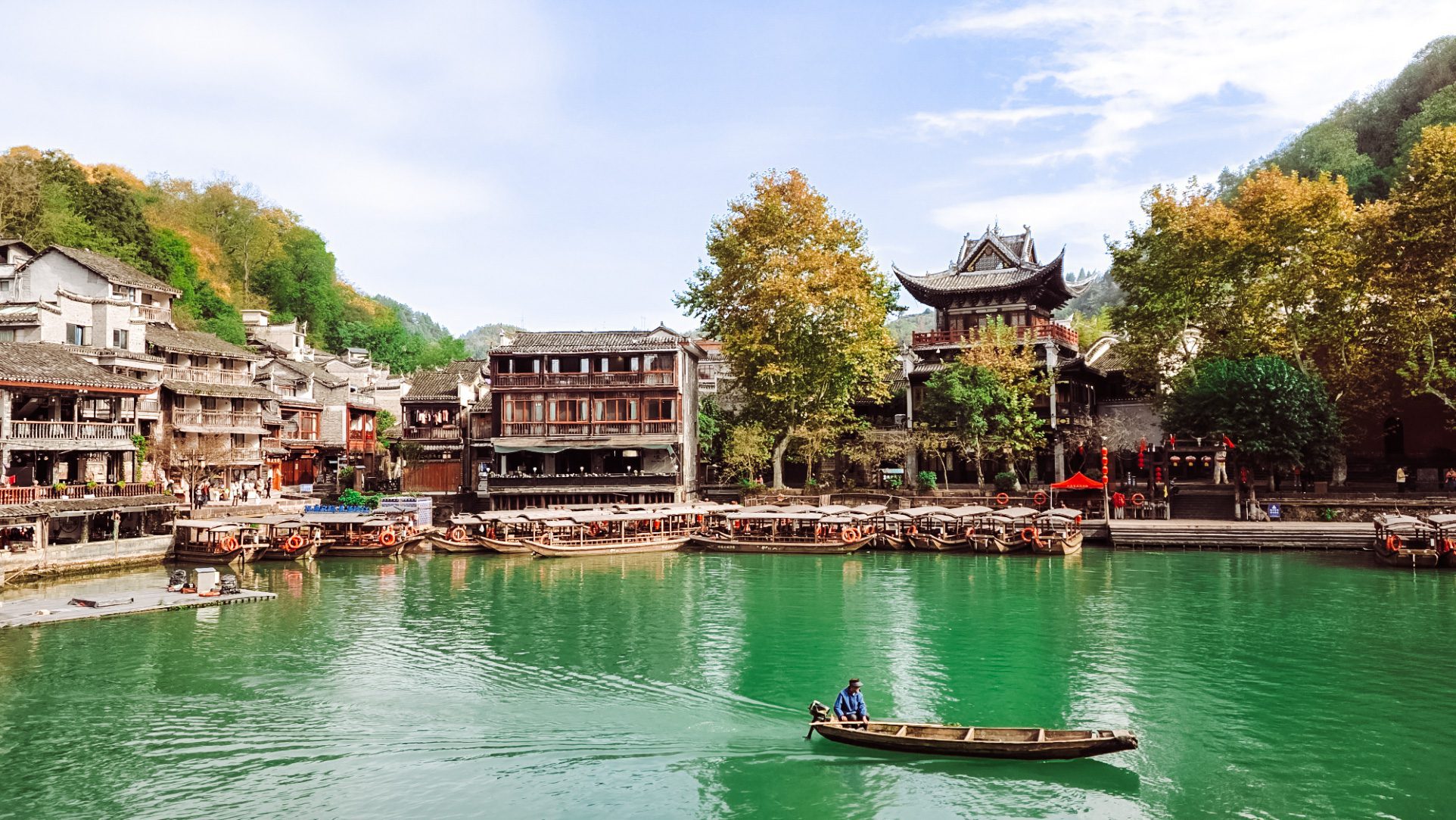
We spent four weeks traveling through China, exploring Shanghai, Guilin, the ancient towns in China, and Zhangjiajie National Forest Park. Based on our experience, this 2-week China itinerary is designed for first-time visitors who want to see more than just the major cities — without feeling rushed or overwhelmed. Instead of trying to fit everything in, this route focuses on the most rewarding regions, balancing modern cities, dramatic landscapes, and culture in a way that actually works within two weeks.
This itinerary shows you exactly where to go, how long to stay, and how to move between destinations efficiently — based on what we’d recommend if we only had two weeks.
Disclosure: This post contains affiliate links. If you book through them, we may earn a small commission at no extra cost to you.
At a Glance — The Perfect 2-Week China Itinerary
Our 2 week itinerary includes – Guangzhou → Yangshuo → Guilin → Fenghuang → Furong → Zhangjiajie → Chengdu → Chongqing → Shanghai
Why This Is a Smarter Route for First-Time Visitors
This 2-week China Itinerary is a smarter route as you will be introduced to so much more of Chinas rich diversity compared to the usual Beijing – Xi’An – Zhangjiajie – Shanghai route.
You will experience:
Guangzhou as your first stop will ease you into the Chinese urban landscape, stay at an excellent and comfortable hotel before beginning your adventure.
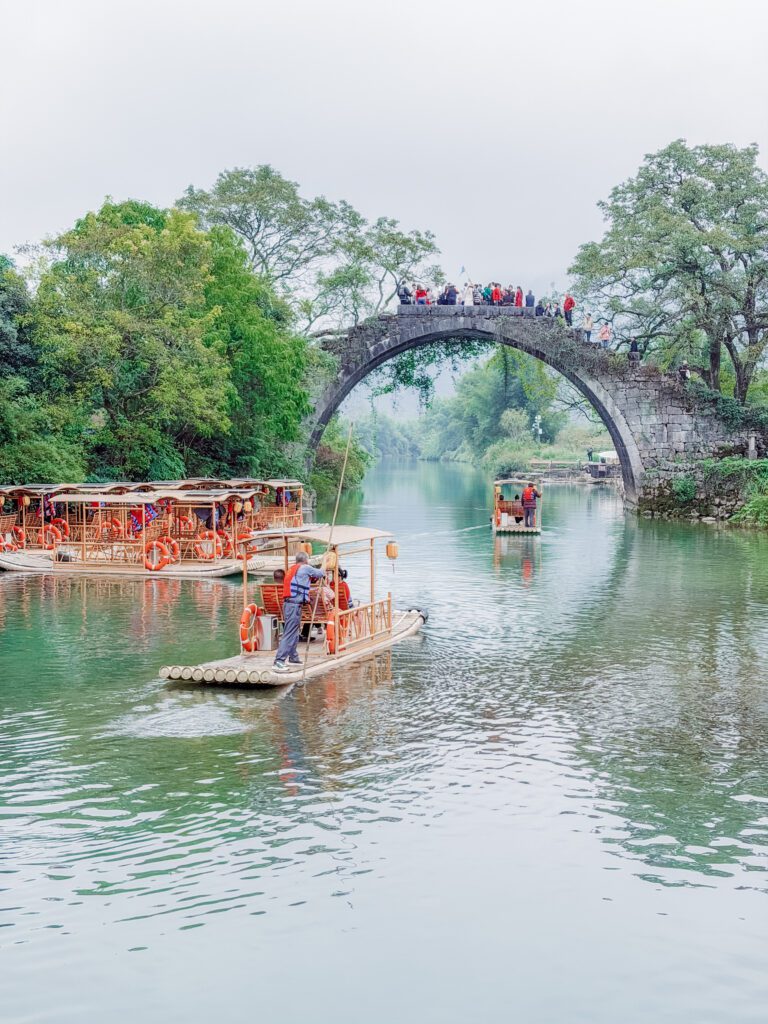
Yangshuo & Guilin – See the famous iconic karst landscapes; the quintessential China postcard experience in a calm and relaxed outdoor environment with activities like river cruises, cycling and hiking.
Fenghuang & Furong – Ancient towns and traditional architecture creates a cultural immersion in local minority (Miao and Tujia) communities without overwhelming urban density of big cities.
Zhangjiajie – A showstopping moment! Dramatic natural scenery with towering sandstone pillars. This stop is like nowhere else, completely spectacular.
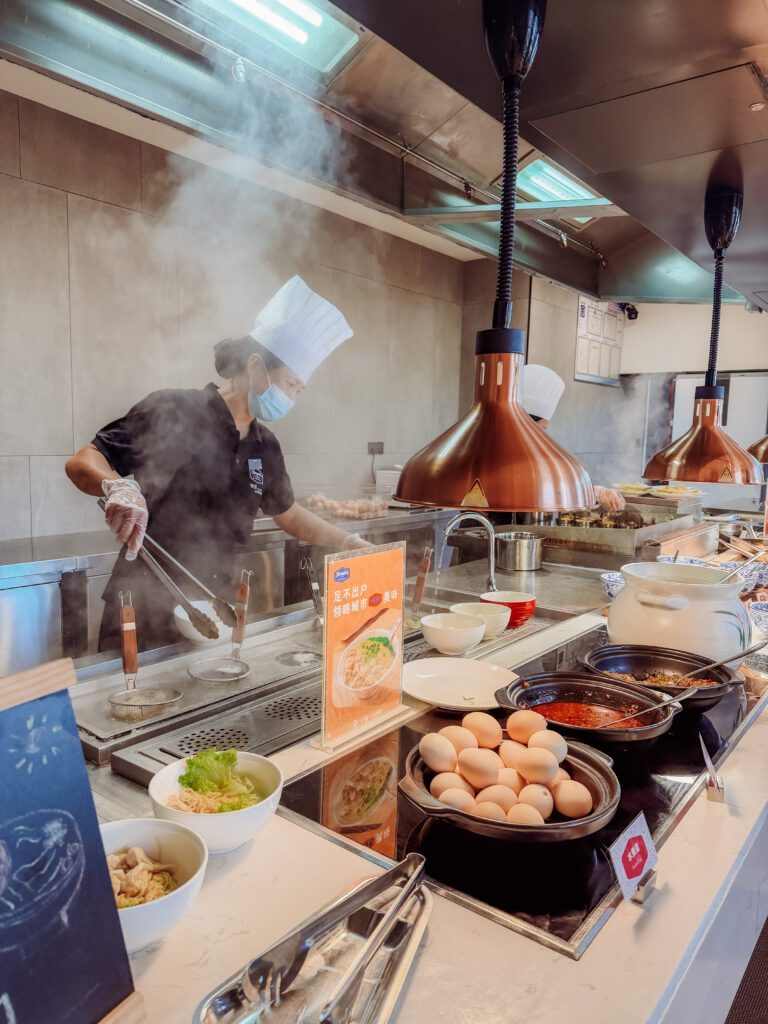
Chengdu & Chongqing – The perfect blend of culture, food and modernity. Explore China’s urban life, unique cuisine (hotpot in Chongqing, Sichuan in Chengdu), and pandas!
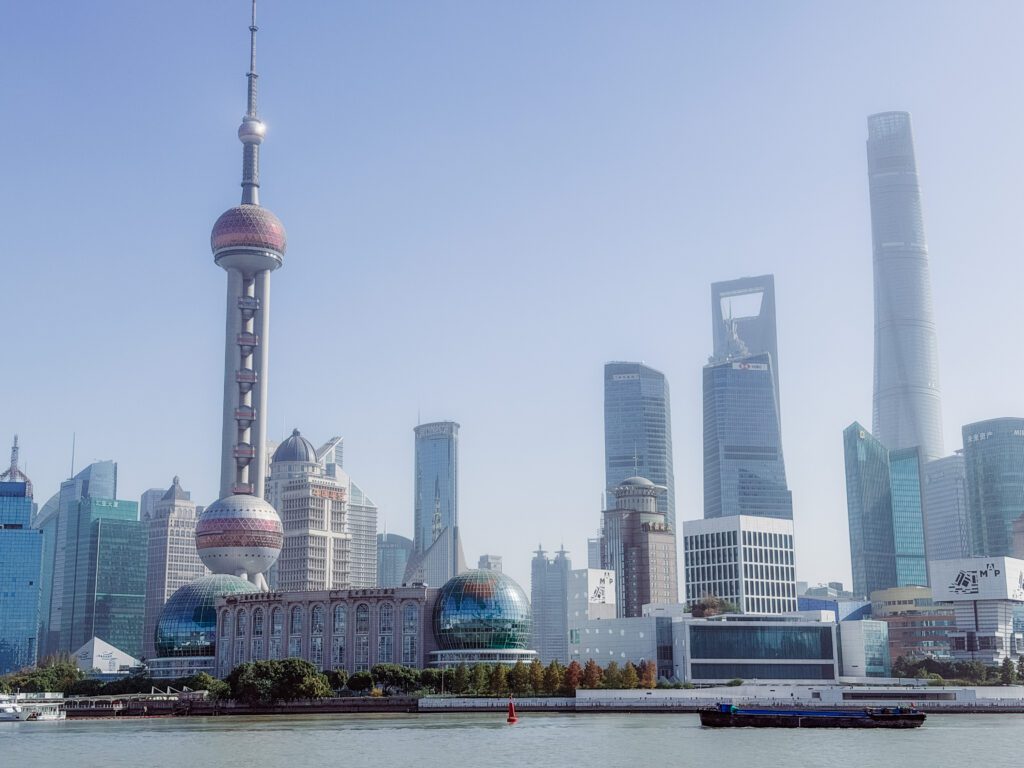
Shanghai – Finish in China’s cosmopolitan face. This will give a modern, urban contrast to the natural and historic highlights you have experienced so far.
Map of This 2-Week China Itinerary
Day-by-Day 2-Week China Itinerary
Arrival Day — Guangzhou (Arrival City)
You will arrive in Guangzhou and use it as your arrival port! It is a big city but also one that is very well connected and easy to navigate. If you land in the evening or late afternoon you can order a Didi to get you to a hotel for the night before setting out on your first full day in China tomorrow. We stayed at the Hampton by Hilton which was perfect as it is located close to the train station and offers a free ride there. The ride from the Airport is a long one so sit back and relax and watch the city unfold around you. If you land earlier in the day you can head straight to the train station and jump on a train to Yangshuo.


Days 1–3 — Guilin & Yangshuo (Karst Landscapes)
Spending 2 days in Yangshuo is perfect to experience the beautiful karst landscapes and Yulong River! This is a truly magical location and one that is often overlooked by other itineraries. Stay in Yangshuo near the river so you can really soak up the landscapes. It is such a fun place to be, we loved hiring a scooter and riding up and down the river, exploring towns, watching the amazing (and free!) Dragon show and take a bamboo raft.
On the third day head to Guilin, it is a bigger city and there are a few things to see here but in all honesty for us the magic was in the Yangshuo area. Head over to see Elephant Trunk Hill, the pedestrian street food and the Sun and Moon Pagoda then head to your hotel (we recommend Eeril Hotel – great location, excellent breakfast and very comfortable rooms.) and be ready to head off first thing in the morning. Alternatively you could skip Guilin town entirely and head straight to Fenghuang (Phoenix) Ancient City.


Days 4–5 — Fenghuang & Furong (Ancient Towns)
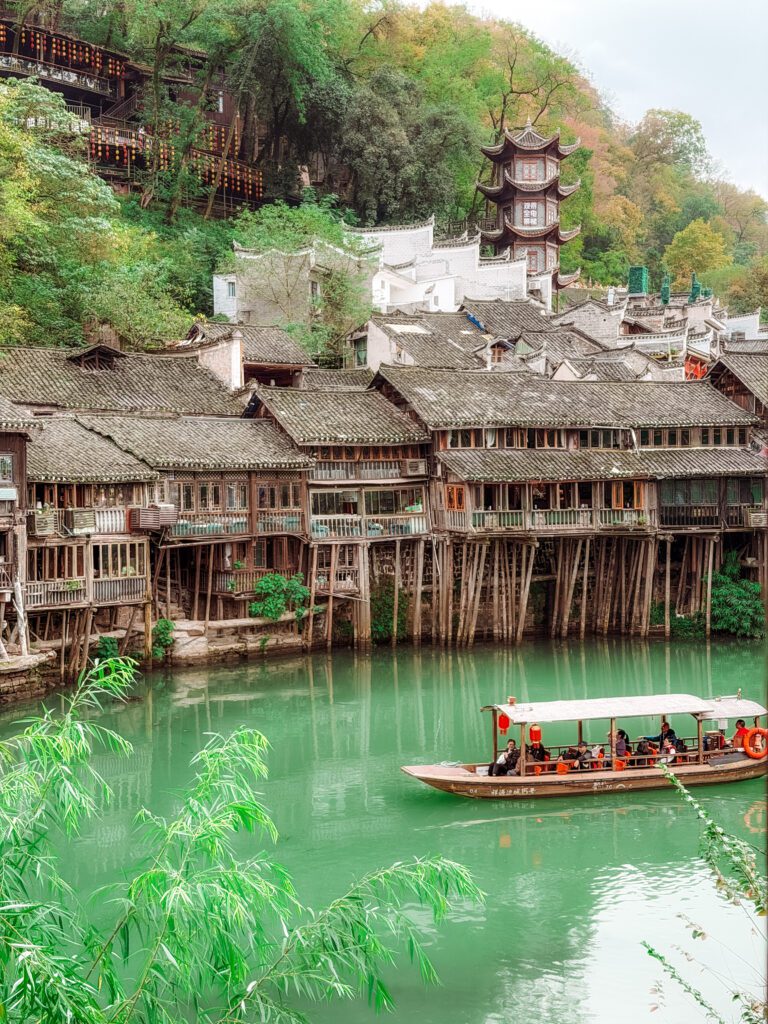
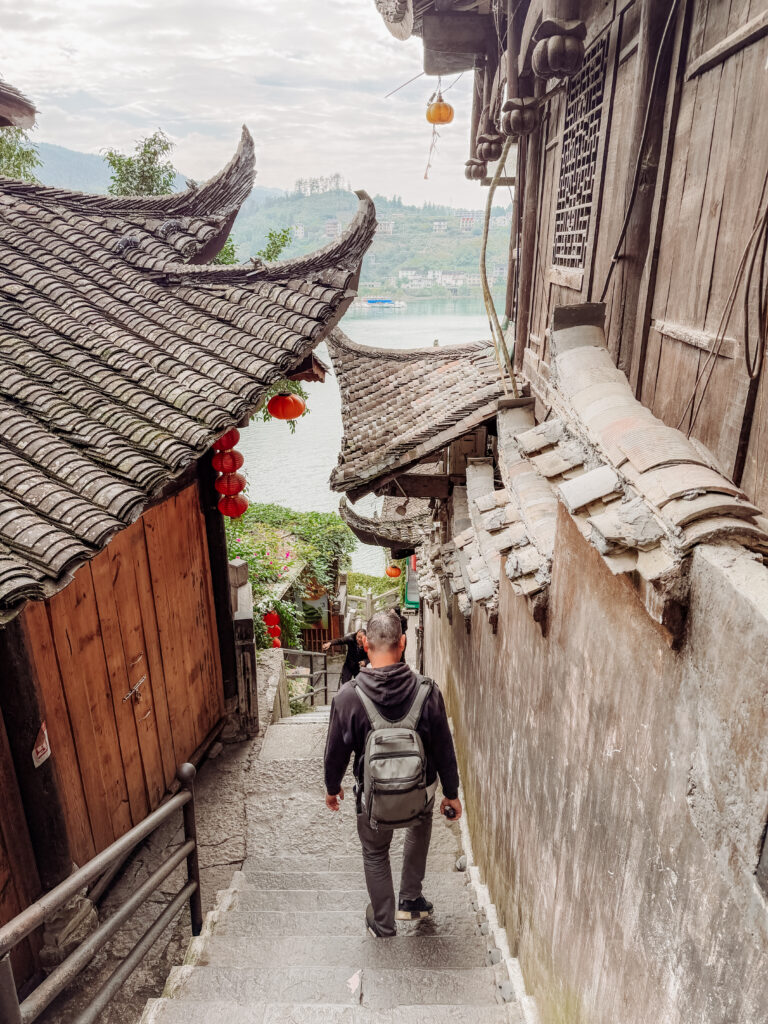
Experiencing ancient towns in china is a must, you will get closer to the culutre, start to understand the minority groups and their heritage and soak up some traditional Chinese vibes. Fenghuang (Phoneix) Ancient City and Furoung Ancient Town are both excellent places to do this.
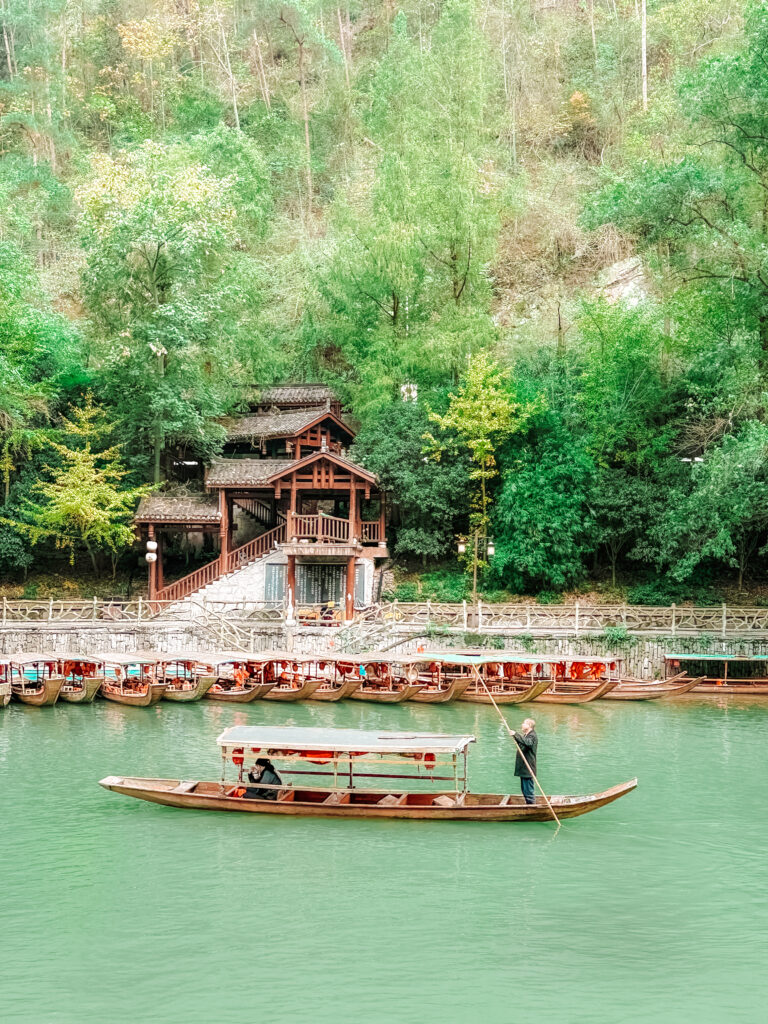
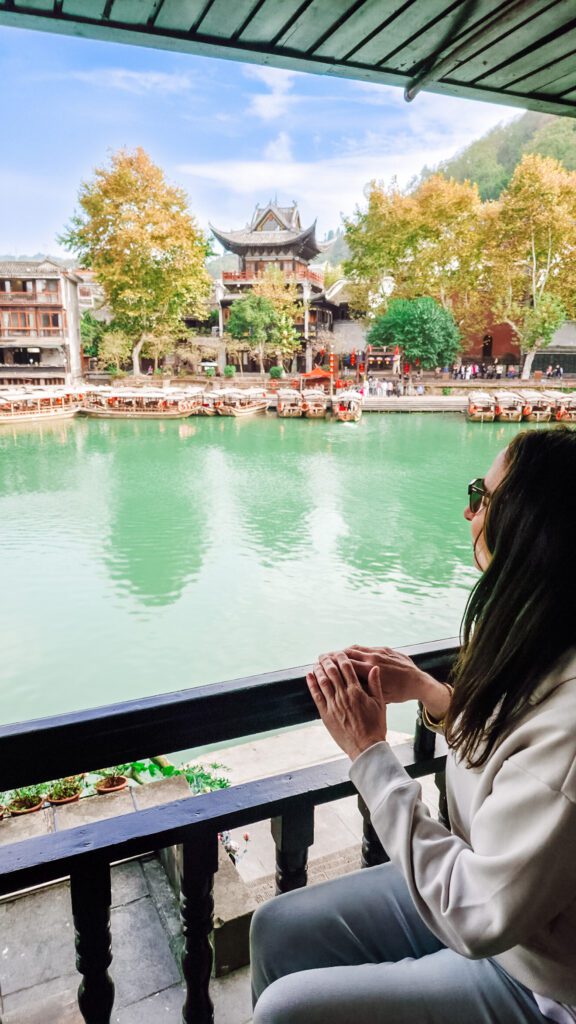
Fenghuang (Phoneix) Ancient Town is perfect for strolling along the river, taking in the beautiful bridges, willow trees, architecture and all the people dressing up in the local ethnic minority outfits.
Furong Ancient Town is much smaller, you will walk around in a circuit and see the town easily in an hour or two. While we spent a full day and night here we think you could easily arrive in the afternoon, check out the town, see the massive waterfall, DEFINITELY stay for at least the first performance then head to the train station to go to Zhangjiajie ready for the next morning. If you prefer to be more relaxed then you would stay here overnight ( we recommend this hotel) and either take the train (first is at 11:30am or hire a driver to Zhangjiajie. Our detailed blogs have more information on this.


Days 6–9 — Zhangjiajie (National Park & Tianmen Mountain)
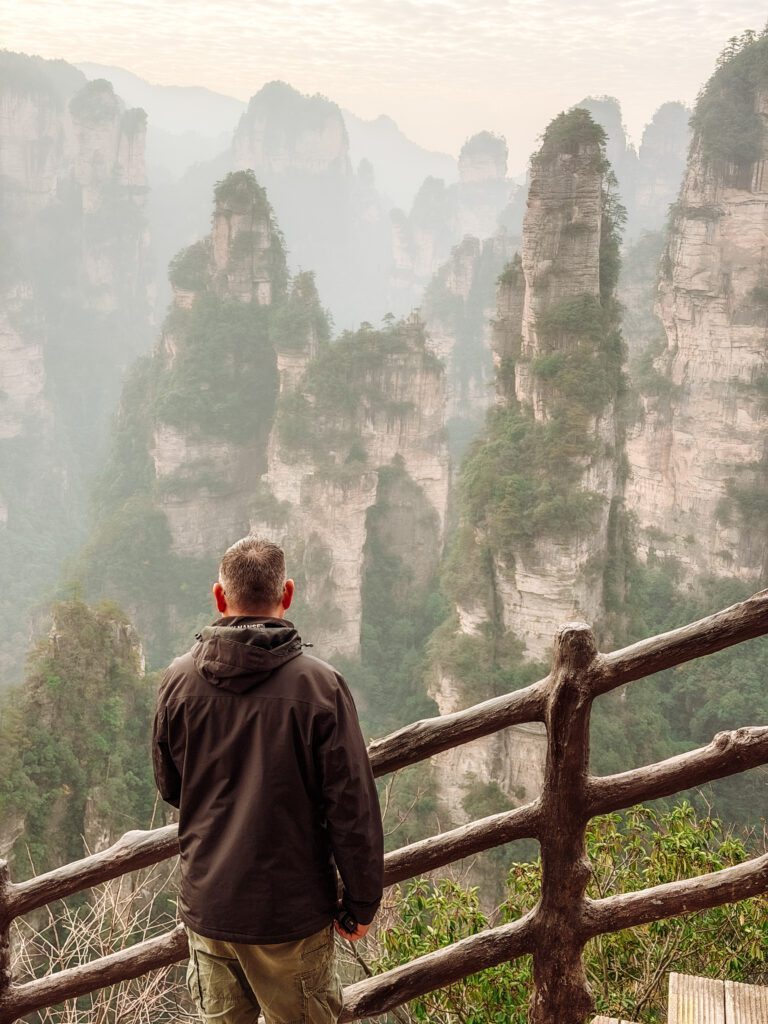
This is one incredible, unmissable destination. Experiencing Zhangjiajie National Park is like nothing else. Here you will find the Hallelujah (Avatar) Mountains which tower up into the sky creating an otherworldly landscape like nothing else. Check out the Bailong Elevator, the fastest and tallest in the world, the natural bridge and cable cars that take you up into the pillars. It is truly unforgettable. In a perfect world you will have 2 full days for Zhangjiajie and then use one day to see either the glass bridge at the Zhangjiajie Grand Canyon or Tianmen Mountain, both at different locations nearby. I have written up a dedicated blog on Zhangjiajie that will get your whole time there organised.


Day 10 — Chongqing (Yangtze Views & Night City)
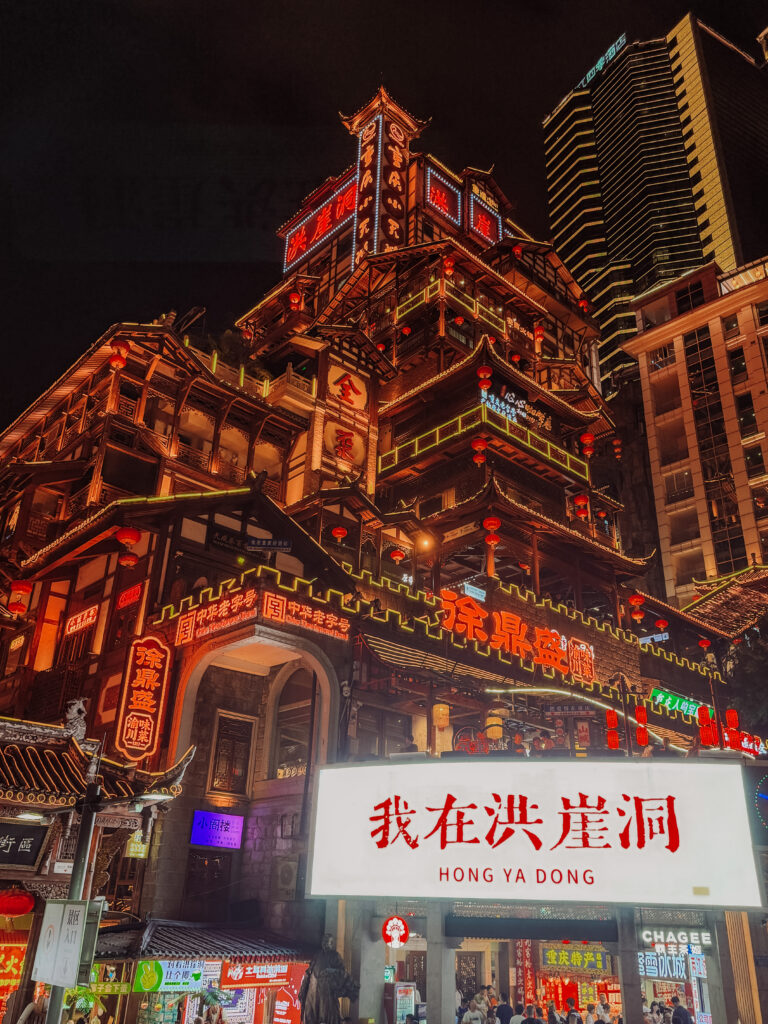
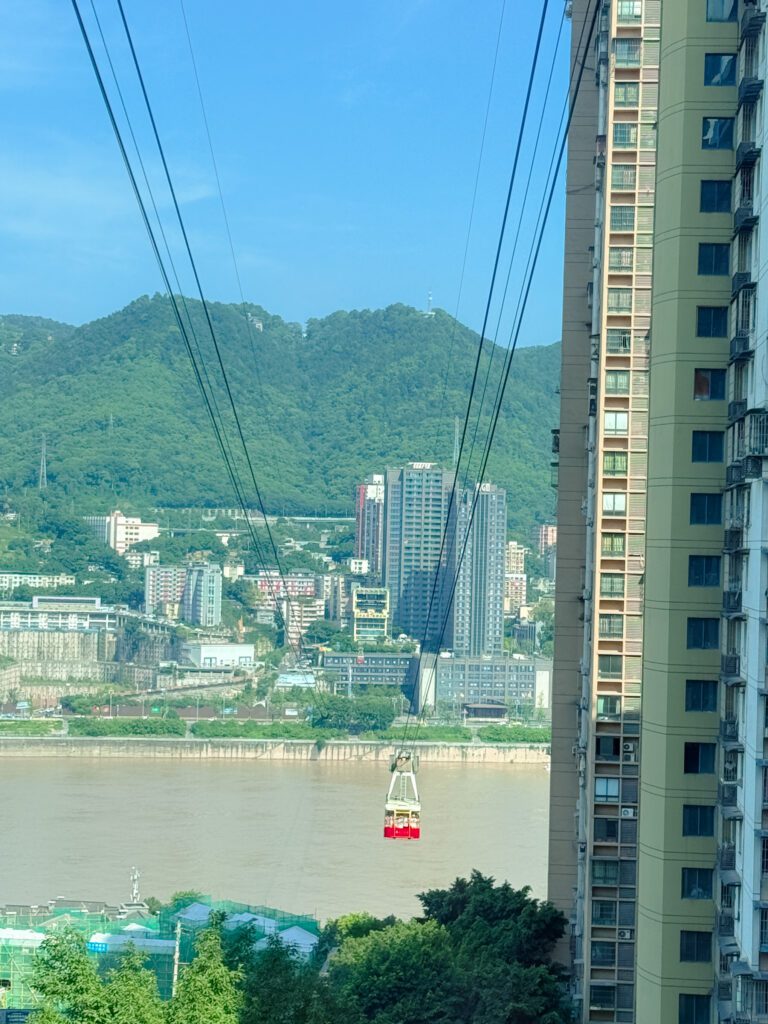
Chongqing is a futuristic city where you can fit a lot into a day. See an ancient town, a train that goes through a building, a busy pedestrian street, take the cable car across the river and the ______ in the evening is a must see! We stayed the night at Tianqing River View Hotel (Chongqing Jiefangbei hongyadong) but you could also take a late train to Chengdu to be ready to start your adventure there in the morning! The hotel had great river views and did off free laundry.

Days 11–12 — Chengdu (Culture & Food)
Chengdu is home to the incredible icon of China, the panda. The first thing you have to do is head out to the Panda Research Base to spend your morning with the Pandas. They are just as cute as you imagine and you will see so many. Back in town try some spicy Sichuan cuisine and take in this city at a slower pace. Temples, tea houses and gardens it is a beautiful town full of the charm of yesteryear. Our detailed Chengdu blog shows you everything you can do in 2 days as well as exactly how to book and get out to the pandas! We stayed at the very cute Nostalgia S Hotel(Chengdu KuanZhai Alley) but also recommend the Ibis Hotel (Chengdu Taikoo Li Chunxi Road) which is also in a great position.



Day 13-14 — Shanghai (Departure City)
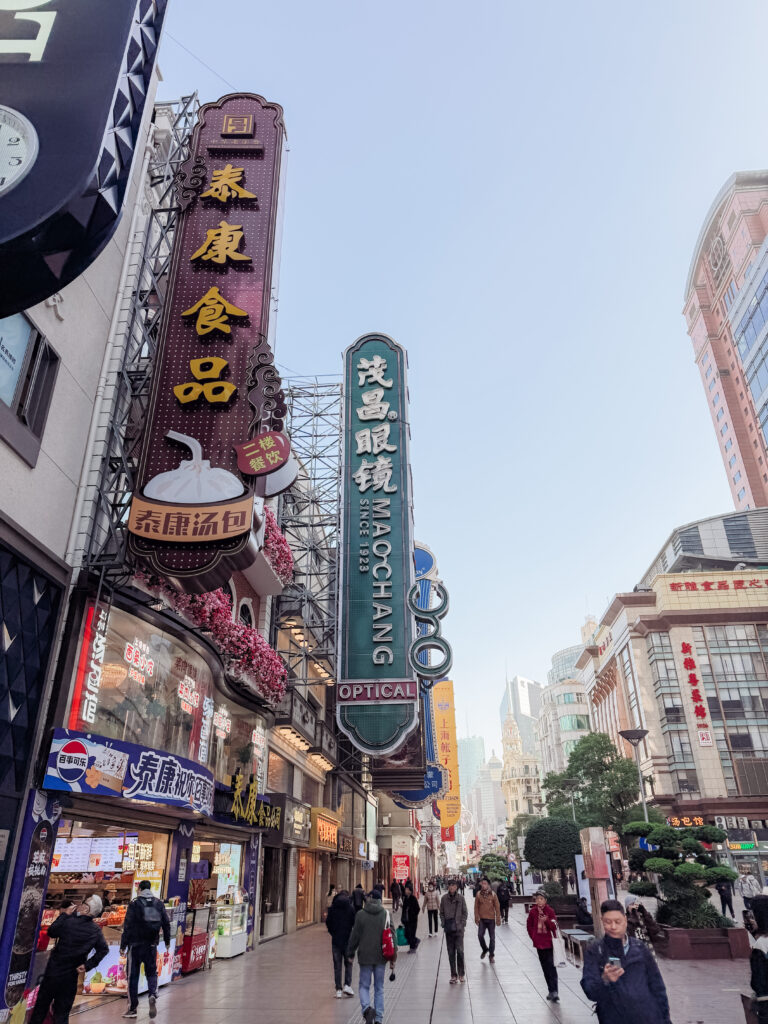
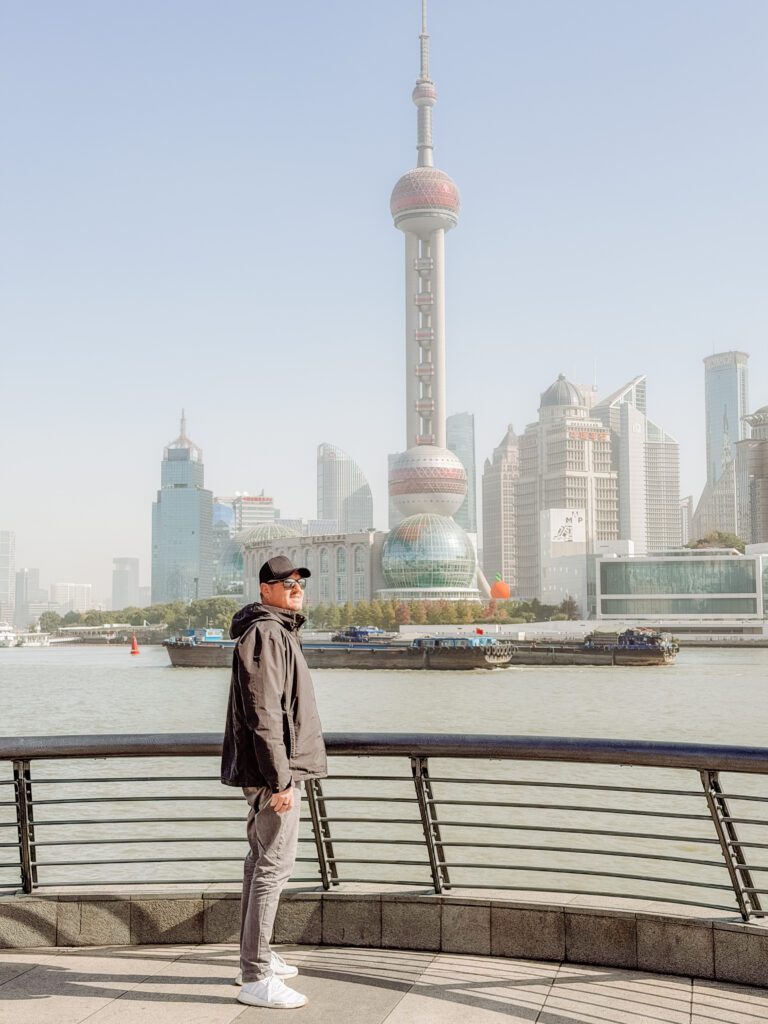
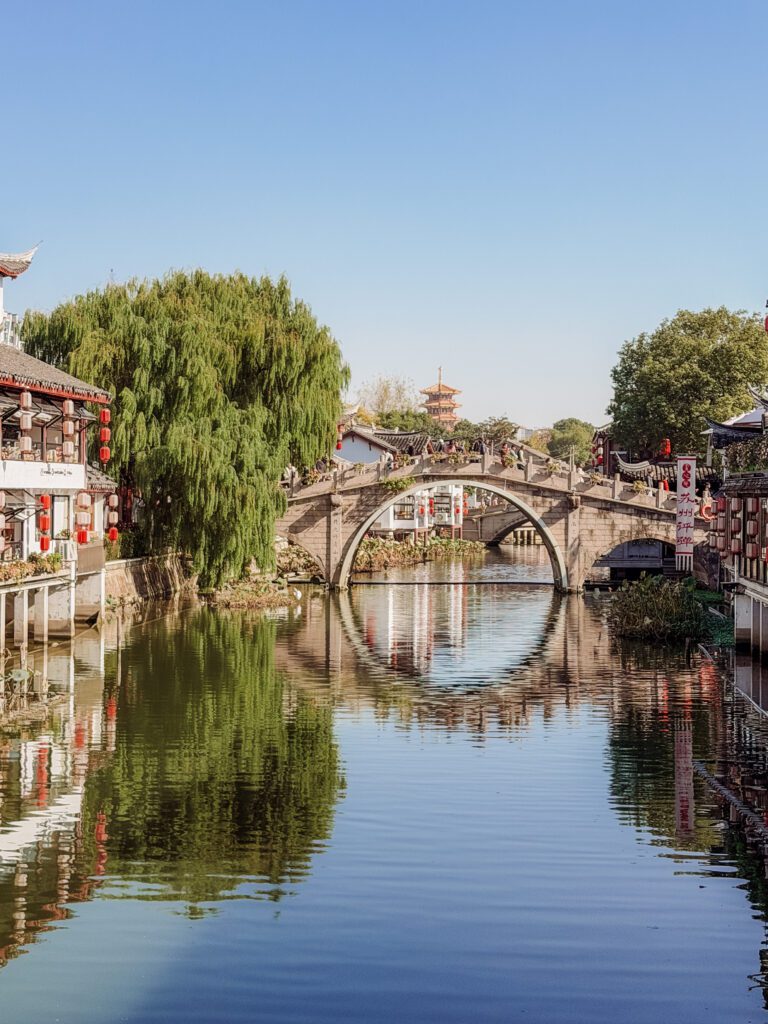
Shanghai is a must visit! This is the global face of China and a very exciting city. However it isn’t all just skyscrapers and shopping, although you will definitely get your fill of this, we uncovered the heart and soul of Shanghai in its quiet temples, gardens, water towns and charming local streets. Check out our blog to find where to go to see the best of Shanghai. This is where you will fly out from. We stayed just out of the main city at an affordable, nice hotel and easy 20 min train ride into the main centre or you can stay right in the thick of it!
Who This Itinerary Is Best For
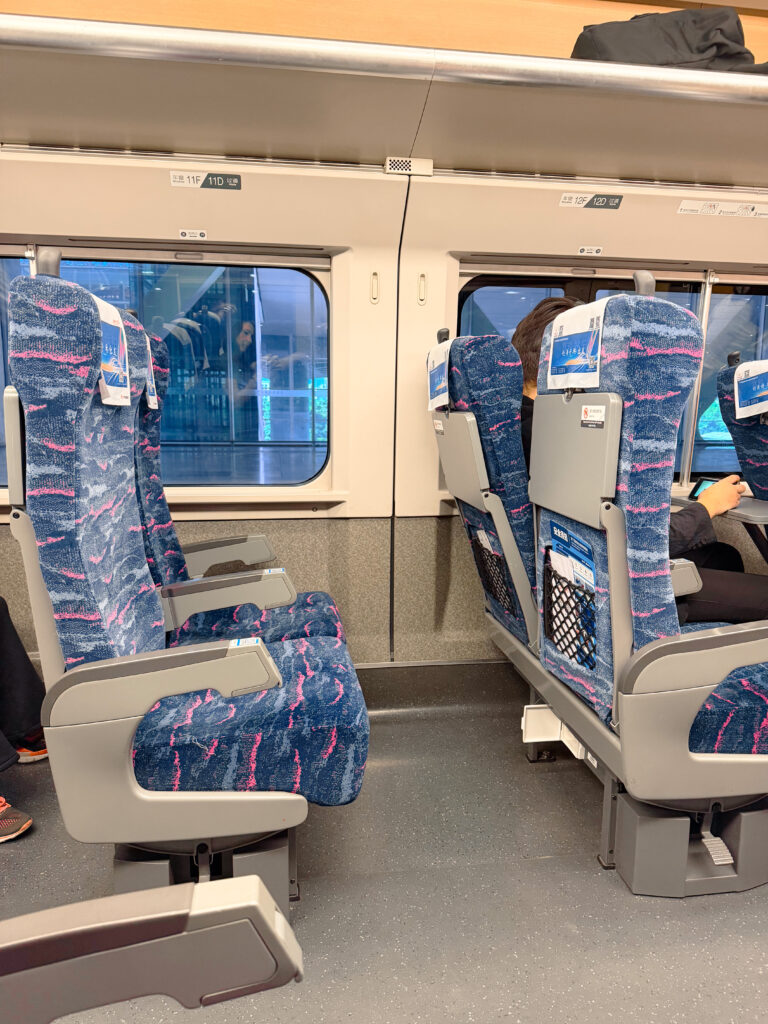
This itinerary is perfect for people who are happy to use internal domestic flights (only 1 needed!) and trains. We relied on trains to get between towns and couldn’t have found them better. They are fast, easy to use and so well organised. Everyone sits in their allocated seat, they are quiet and tidy.
If you are looking to experience the awe of China’s beautiful scenery and culture this 2 week China itinerary is going to suit you well! In Zhangjiajie and Yangshuo you will see the majestic and magical mountains that will leave you speechless. In Chengdu, Fenghuang Ancient Town and Furong Town you will experience the sweet moments and unique tastes and character of Chinese culture.
This itinerary will not suit ultra slow travellers, however you can definietly slow it down. Feel free to reach out and I can help you work out what would suit!
How to Slow This Itinerary Down
If you want to slow this itinerary down and spend more time in locations then you could choose to remove either one of Fenghuang Ancient Town, Furong Town, Chongqing. While each of these are great to visit they are the shortest stops. I would try to get to one of the ancient towns in China as they do offer an interesting insight into the past, much like when we visited places such as Nari-Juku and Kawagoe in Japan. Chongqing is a big, modern skyscraper city which is similar to Shanghai so you could decide to skip it and spend an extra day in Shanghai if you prefer.
How to Get Between Destinations
It is really easy to get around China. The main forms of transport you will use are planes, trains and cars. There are bus routes but we didn’t find them to be any better than the trains and sometimes they dropped you further out of town than if you use the train.
Use trains go between all of the towns: Guanghuo, Yangshuo, Guilin, Fenghuang Ancient Town, Furong Ancient Town, Zhangjiajie, Chongqing and Chengdu.
Fly from Chengdu to Shanghai, this would be a 10+ hour journey likely with a few changes. Flights are easy and simple in China and domestic flighs are reasonably priced.
Trains vs Flights in China
In China the trains are incredibly easy to book (using Trip) and although the train stations are a little away from town at times (mostly with the ancient towns etc) so are the airports. Trains leave on time, are fast and convenient. Just make sure to be at the gate ready when it opens and go get on the train when it arrives, at times our train was shut and taking off 5 minutes or even up to 10 minutes early.
Flights are also convenient but we only used them when travelling across a big distance, for example Chengdu to Shanghai would be
Booking Transport in China
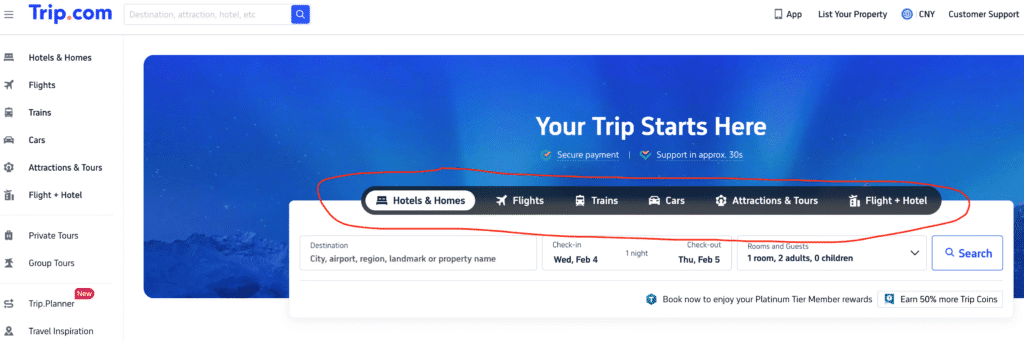
Booking transport in China is so easy! We used Trip to book everything, flights, trains, attractions and hotels. Just select the option from the top (see image below) and choose which you want to book. Trip is the English version of CTrip which is for local Chinese people only. We did try to use it but you had to have a Chinese ID card to book on it.
When Flying Makes More Sense
Flights in China make sense when the distance is long. From Chengdu to Shanghai, over to the Yunnan region or back up to Beijing. Domestic flights operate really well and we didn’t have any problems any time we have flown within China.
Is 2 Weeks Enough for China?
You can do a lot with 2 weeks in China, it is a huge country so you can’t see it all but with this itinerary you can get an excellent taste of China. Not just the usual tourist route but still very easy to navigate for a first time visit. If you have more time we have a 4 week China off the beaten path itinerary too!

Best Time to Do This China Itinerary
We visited China in November and it was perfect! The weather was slightly chilly with beautiful blue skies. We really didn’t get a lot of rain either, it was exactly like our experience travelling Japan in November, just perfect! We loved travelling China in November which is the shoulder season and usually has less crowds. In general the seasons are:
Spring (April-May): Comfortable weather, hiking, and seeing blossoms.
Autumn (September-October): Pleasant temperatures, clear skies, and autumn colours-great for national parks.
Summer (June-August): Hot and humid, with high crowds. Best for visiting mountain areas away from the heat.
Winter (December-March): Cold with fewer tourists and lower prices, great if you are into skiing.
Key Considerations
Avoid: The first week of October (National Day holiday) is extremely crowded and best avoided.
Regional Differences: Southern China (Guilin, Yunnan) has milder winters, while the North (Beijing) experiences freezing temperatures and snow.

Places We Loved — But Left Out of This Itinerary
With more time, we’d recommend expanding this route — details are covered in our China travel guide. We loved so many places that didn’t quite make this 2 week itinerary and are perfect for a longer trip. Firstly of course Beijing! We love Beijing, our time there was great but it didn’t make sense in this itinerary, to make best use of the time. It is a beautiful cultural city and doing a Great Wall of China Day Trip there is a must! Check it out in our 4 week China Itinerary.
The Yunnan region as a whole! This is one of our favourite areas in China, it is truly beautiful and far less visited by western tourists. There is a rich culture here and a slightly more country/rustic vibe which we loved. Highly recommend it for a 4 week China Trip!

2 Weeks vs 3–4 Weeks in China
More time is always amazing to explore a country more thoroughly but sometimes it just doesn’t fit in with your schedule. With 2 weeks in China you can get a really good understanding of the country, culutre and people. You will leave wanting more and ready to come back and explore more fully!
3 or 4 weeks in China gives you time to really delve into Chinas rich heritage. Visiting the beautiful area of the Yunnan will introduce you to the area with the highest ethnic diversity in China. Here you can travel up to Southern Tibet to get a taste of the mountains and south to the stunning coffee and tea growing areas of Lijiang and Dali. Once you visit this region you will want to come back for sure!
Travel Tips for First-Time Visitors to China
China is incredibly easy to travel in. I have written up a full China Travel Guide with loads of tips you will need for your China Trip. Check it out at our China Travel Guide for everything you need to know.
Is China Easy to Travel Independently?
Yes, we really didn’t find that we needed a guide. A tour is always fun, you meet people and everything is arranged for you so if that suits your style then these are a good platform to book through. Otherwise we found that it was easy to manoeuvre and arrange our time in China.
Payments, Internet & Apps in China
The easiest form of payment is actually with WeChat/Wexin Pay or Ali Pay. These two apps are all you need to make any payment in the country. From tiny fruit selling vendors to large chain stores, we used them everywhere. To make payments you will find a vendors QR code to scan, the vendor will scan your QR code or you can use the NFC system. It is incredibly simple once you get the hang of it!
Apps
Download these apps because they’re almost all you’ll use! We took cash and really didn’t need it, everything was handled with the following apps in China.
Didi China – best and cheapest way to get around, you pay in app from your WeChat or Alipay account. It’s basically China’s Uber.
Alipay – almost everywhere accepts Alipay, from a fruit market vendor to train stations and hotels. It’s the biggest payment method in China.
Wexin Pay – second most used payment method in China.
VPN – we always use Surf Shark VPN which worked perfectly in China.
Cash – we had some on us but really didn’t need it except for emergencies when our phone was out of charge etc. even the smallest vendors preferred Alipay or Wexin pay and they rarely have correct change anyway.
Diangping- the place to find restaurant reviews (don’t bother with Google maps or Apple Maps they’re basically no reviews there)
From here you can also connect to Meitan which is the food ordering app(or you can download it too) you do need a local dim with phone number to order food delivery or do what we did and use the hotels phone number.
A map – it’s Chinese Google maps that can work in English. Google maps and Apple Maps aren’t really very helpful in China.
Language & Navigation Tips
In China the main language used is Mandarin. It is widely spoken however there are also other local languages you may encounter. We found that English was used here and there but not extensively. We used Google Translate to ask questions and it was really easy to communicate. The app We Chat is the best communication system! You accept each other as friends and then can write to each other in real time and it translates to your native language, so English for us and Chinese for them.
FAQs
Is 2 weeks enough for China?
Yes — two weeks is enough to see China’s highlights if you focus on regions rather than trying to visit too many cities. This itinerary balances modern cities, iconic landscapes, and cultural regions without constant travel days, making it ideal for first-time visitors.
Is this itinerary suitable for first-time visitors to China?
Yes. This itinerary is designed specifically for first-time visitors, with easy transport routes, well-connected destinations, and a manageable pace. It avoids overly complex logistics while still showing a deeper side of China beyond the major cities.
Do you need a tour to travel China independently?
No — you can travel China independently without a tour. With high-speed trains, domestic flights, and translation apps, independent travel is very achievable, especially on a structured itinerary like this one.
Is China difficult to travel without speaking Mandarin?
China can be navigated without Mandarin, but preparation helps. Translation apps, offline maps, and hotel support make communication manageable, particularly in major destinations like Shanghai, Guilin, and Zhangjiajie.
What’s the best time of year to follow this itinerary?
The best time to do this 2-week China itinerary is spring (April–May) or autumn (September–October), when temperatures are mild and visibility is better in scenic regions like Guilin and Zhangjiajie.
Should I visit China or Japan first?
If you’re deciding between destinations, our 2-week Japan itinerary shows how the two compare for first-time Asia travel. Japan is generally easier for first-time Asia travellers, while China offers greater scale and diversity. Many travellers choose Japan first, then follow with China on a longer Asia trip once they’re more confident.
What to Do Next
You don’t need to rush through China to have a meaningful first trip — you just need a route that flows, limits backtracking, and balances cities with landscapes.
This itinerary is designed to do exactly that: start gently in the south, slow down through karst scenery and historic towns, then finish in China’s most connected city.
If you’re following this route, Yangshuo is where the pace really changes — from river views and countryside cycling to some of the most iconic scenery in the country.
👉 Read our complete Yangshuo travel guide Yangshuo Guilin – places to visit in China
(where to stay, how long to spend, and what most first-time visitors miss)