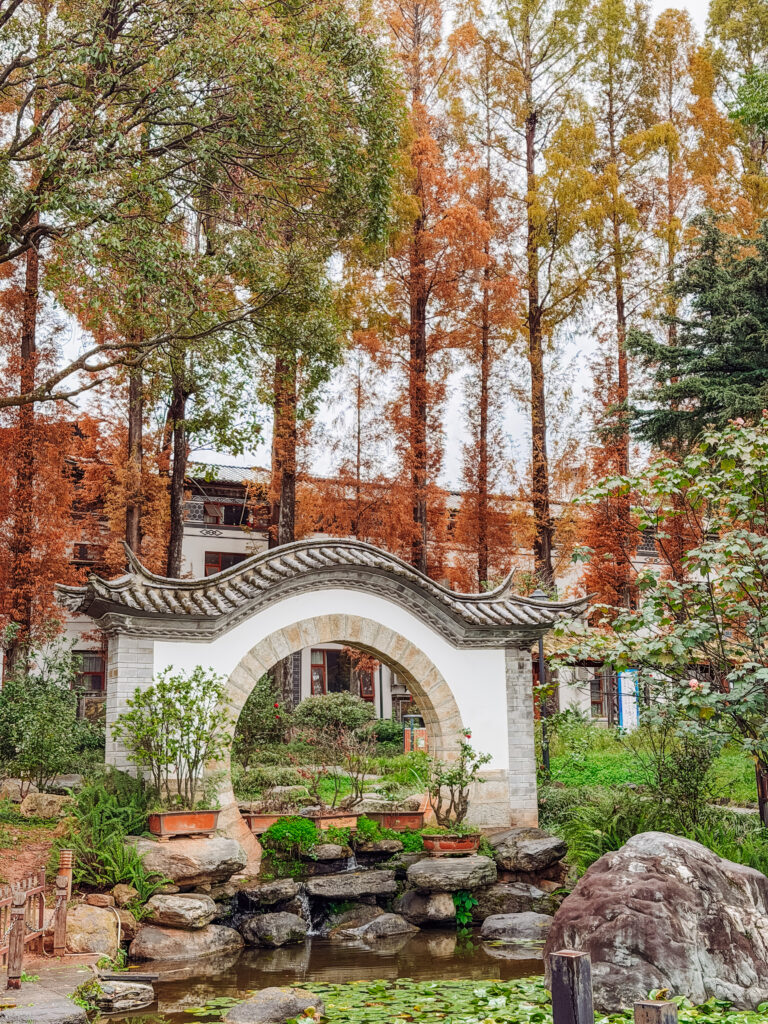
If you’re planning a trip to China, you’ve probably never heard of Dali — but this laid-back lakeside town might be the highlight of your entire trip. It is such an unexpected gem, set on the edge of both mountains and a massive lake it is full of old world charm and a slower pace that will make your heart sing.
Disclosure: This post contains affiliate links. If you book through them, we may earn a small commission at no extra cost to you.
Table of Contents
Is Dali Worth Visiting?
Dali is absolutely worth visiting, we think it is one if China’s most underrated gems. It is a beautiful town with a lot to offer. You may not have heard of it but you will never forget spending days exploring old towns full of handicrafts or cycling by the lake. It is perfect for nature lovers, culture seekers and those who seek a slower travel experience.
Where Is Dali, Yunnan?
Located in southwest China, Dali is in the Yunnan province. It sits between the capital Kunming and another on of our favourite places in the Yunnan, Lijiang.
Why Visit Dali?
Dali is that kind of city where you visit and instantly feel at peace. Once the capital of the Yunnan province it is home to a unique culture. Located on the Tea Horse Road (also called the South Silk Road) it is a popular place for Chinese tourists to visit and slowly Western tourists are making there way out here.
What Makes Dali Unique
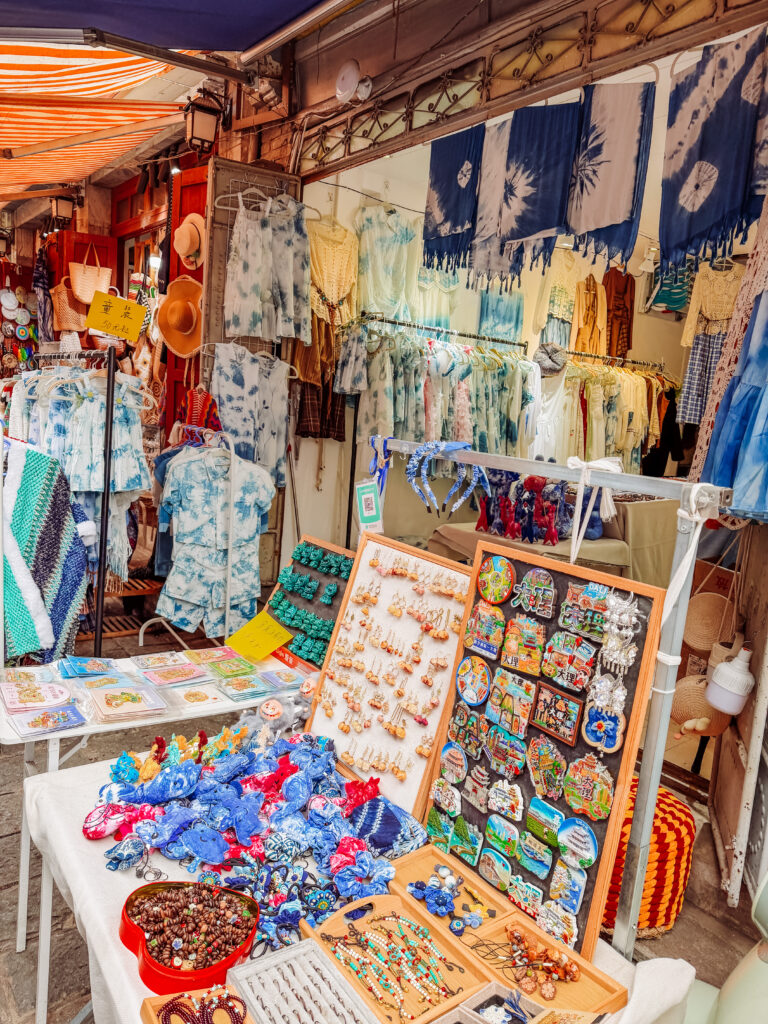
Dali sits on the edge of the huge Erhai Lake and is bordered by the Cangshan Mountains. There is a relaxed, bohemian vibe likely due to the local Bai people who are known as great craftspeople. The Bai minority is famous for their skills working with silk, leather, silver, marble and tie dye.
Top Things to Do in Dali
Explore Dali Old Town
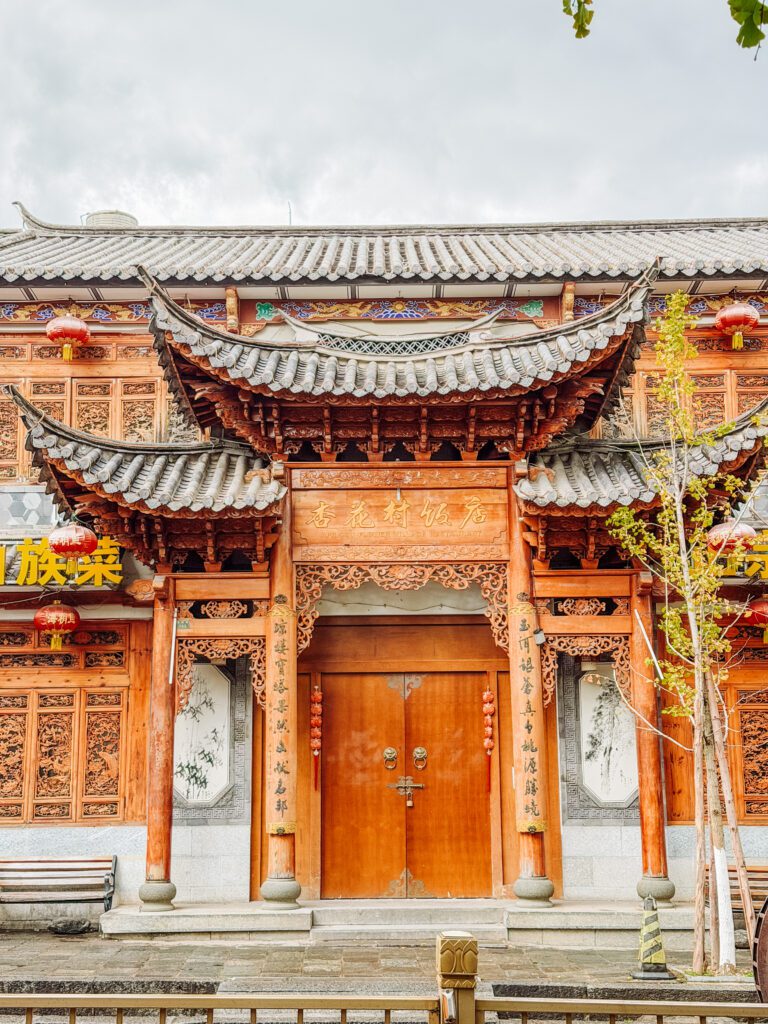
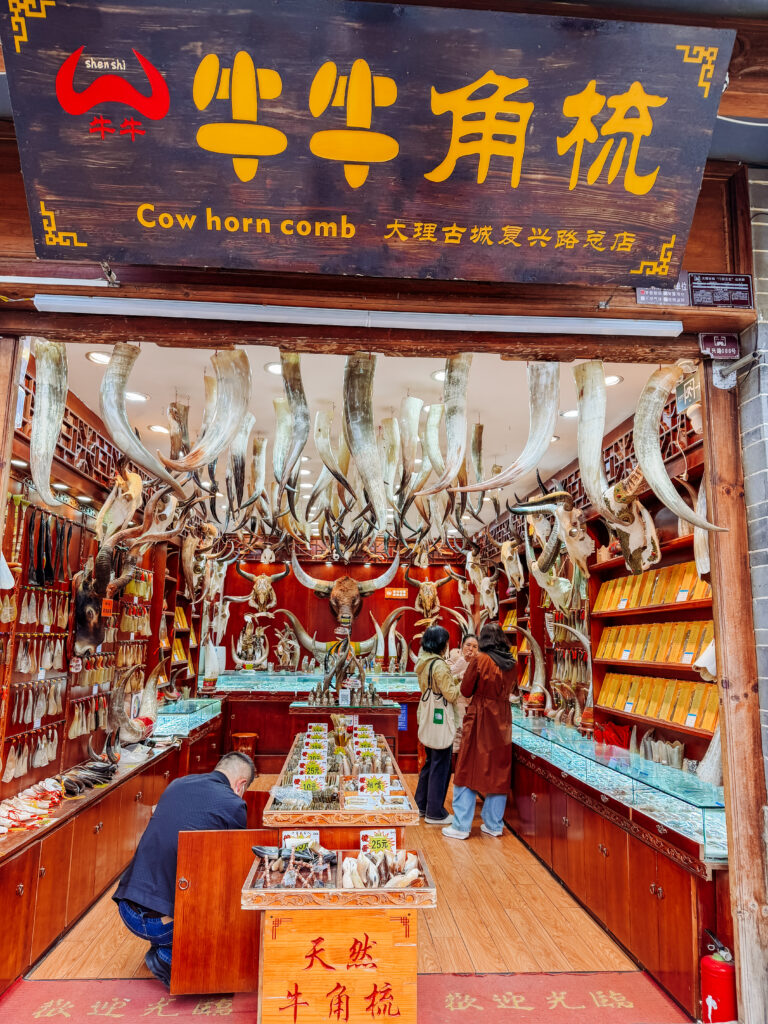
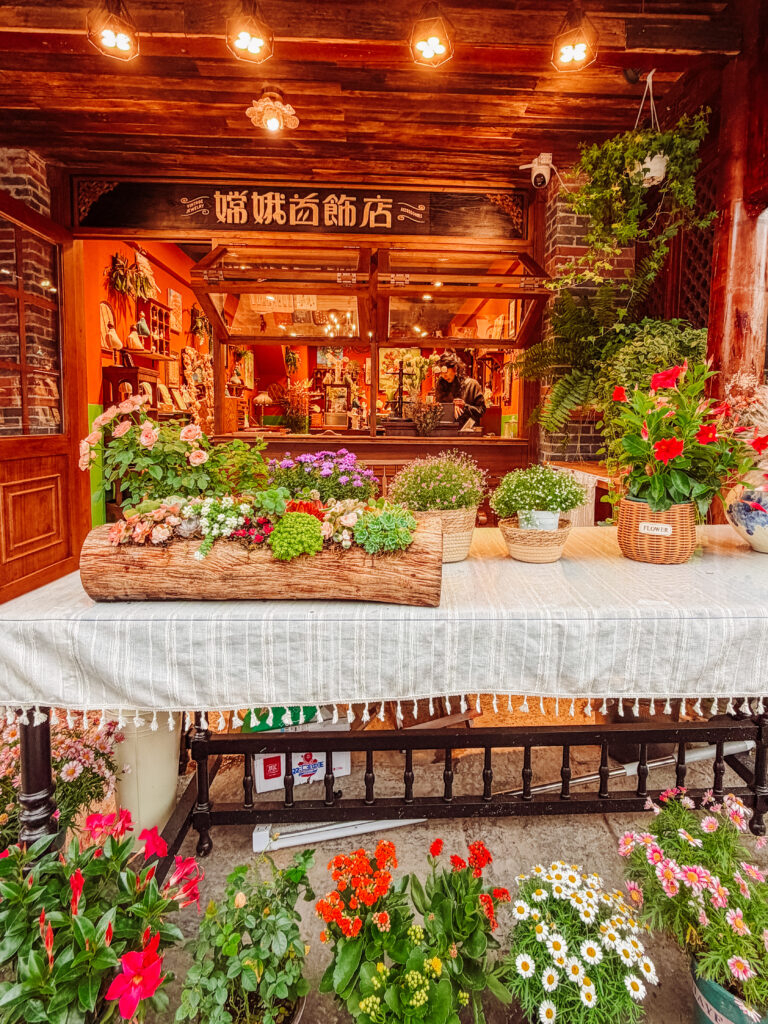
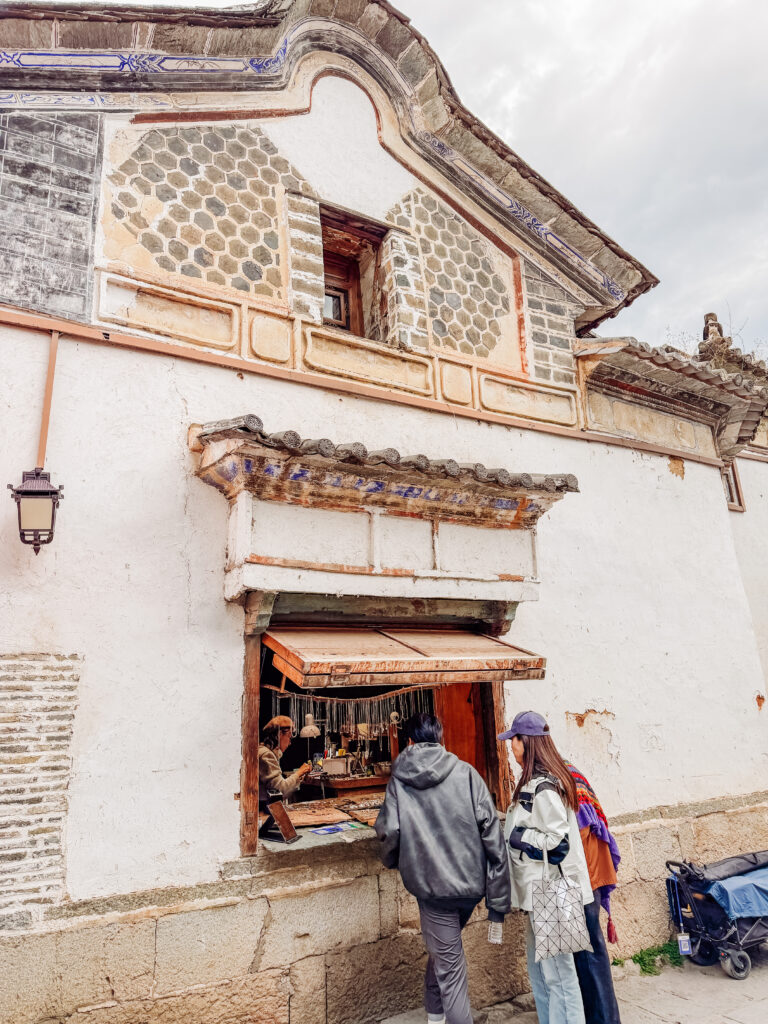
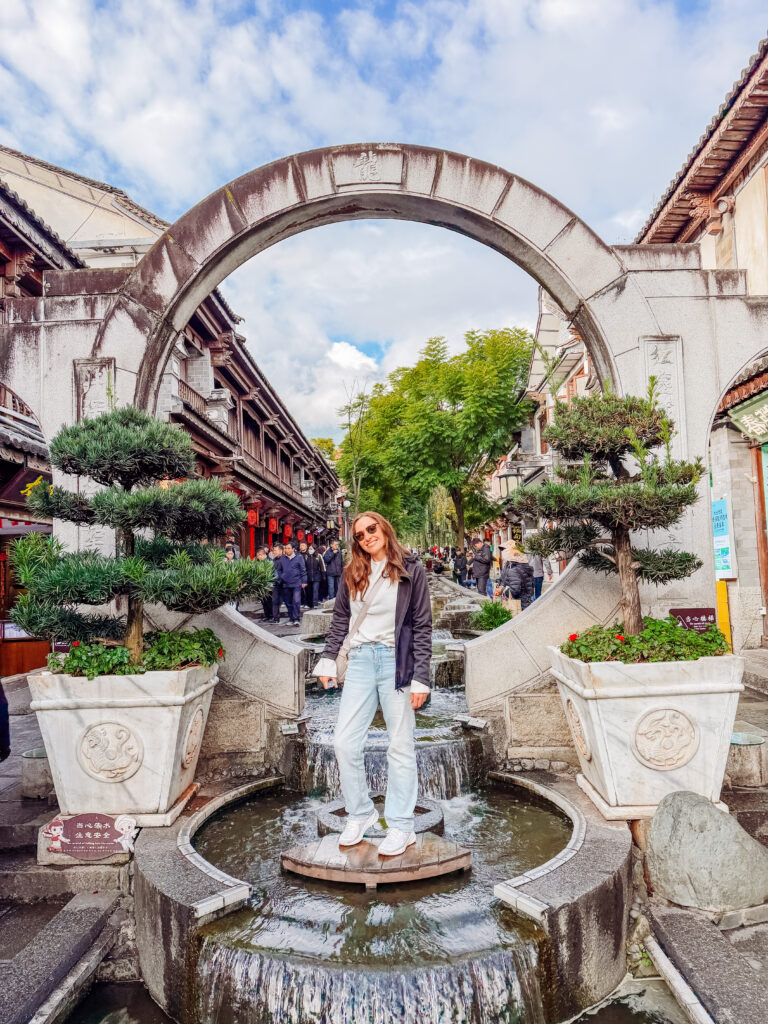
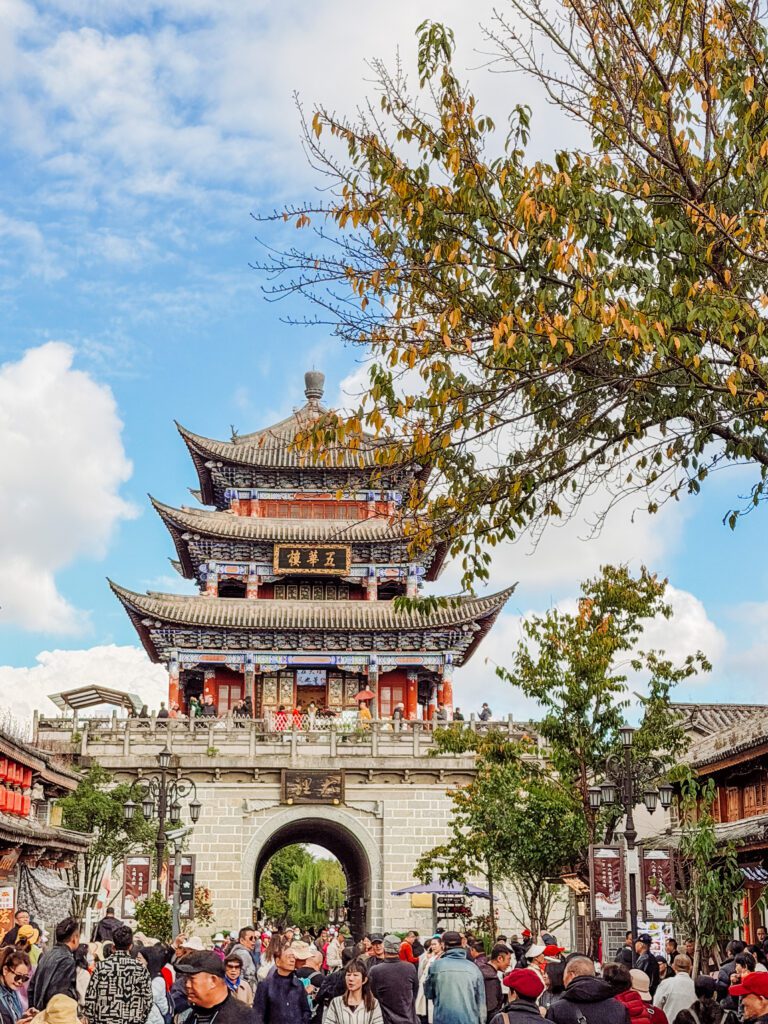
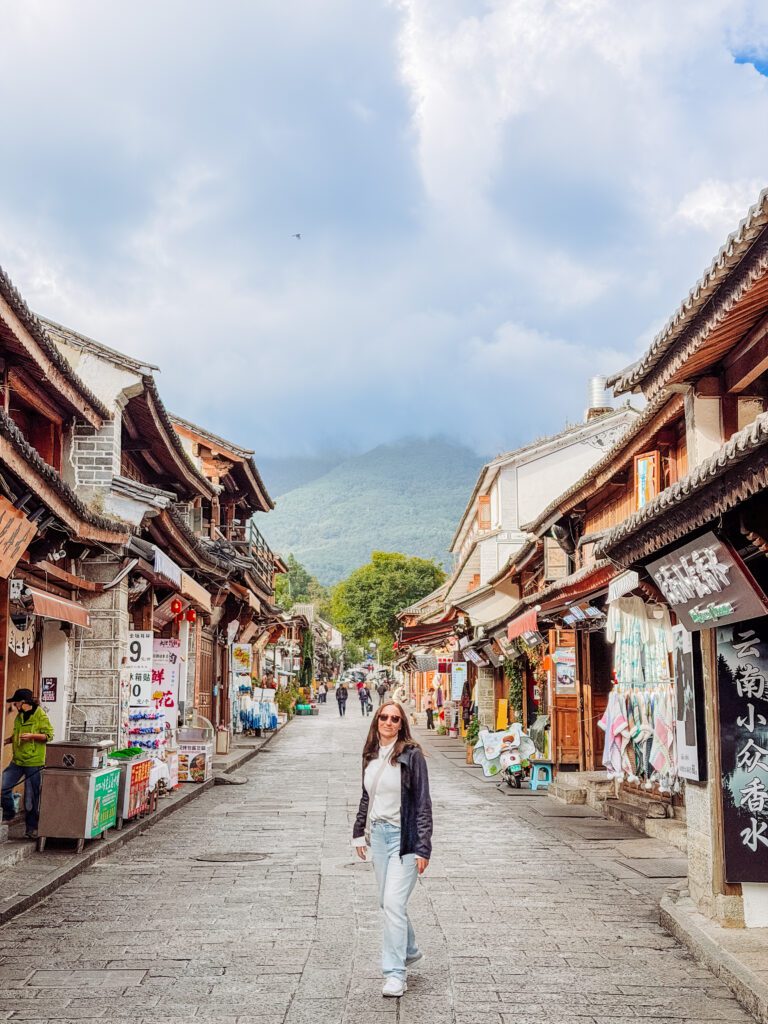
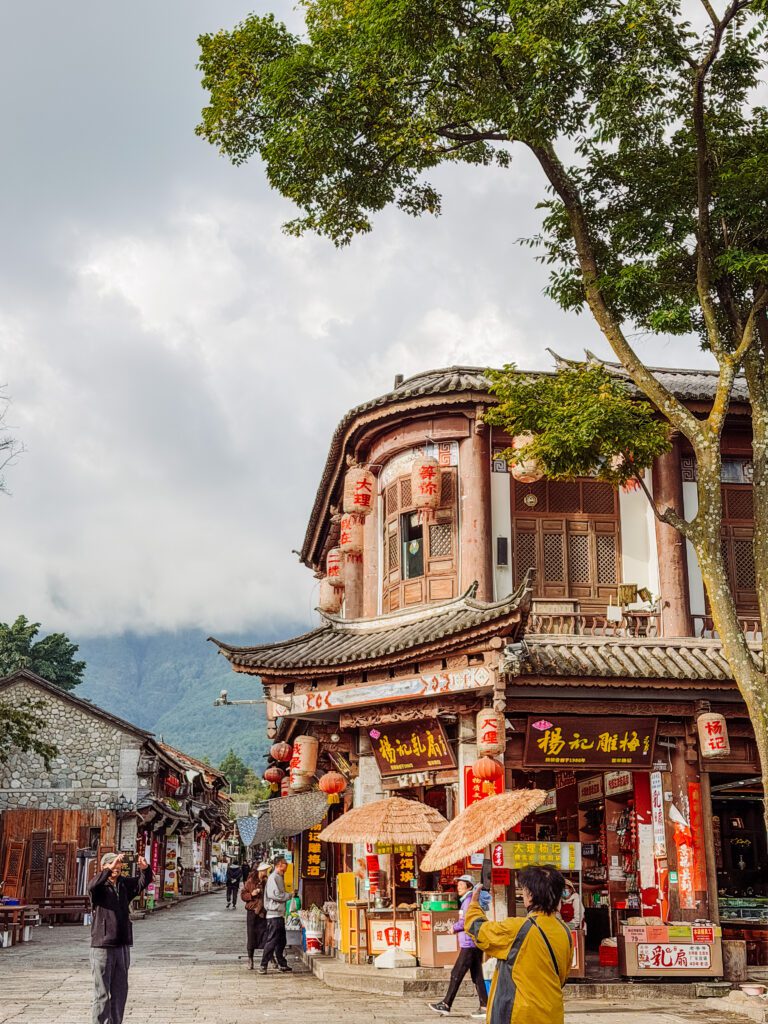
Dali old town is the epicentre of the area, you will find beautiful ancient streets, particularly Fuxing Street, Foreigners Street and the South and North Gates. Dali is one of the towns that is surrounded by walls and gates, checking them out is a must.
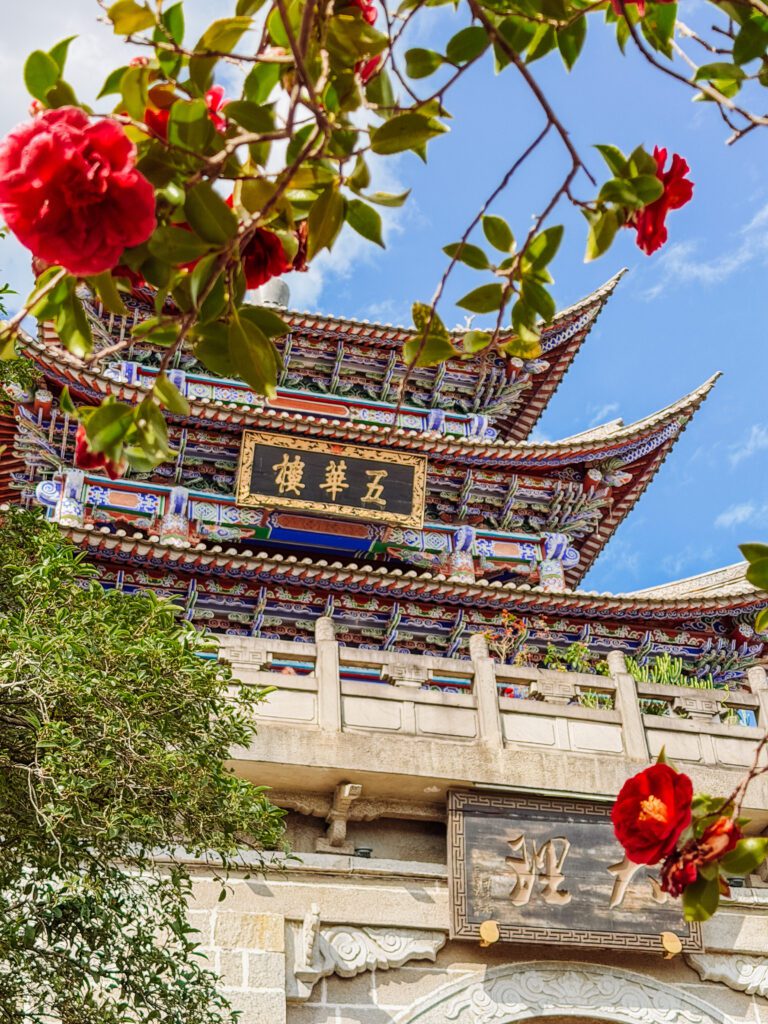
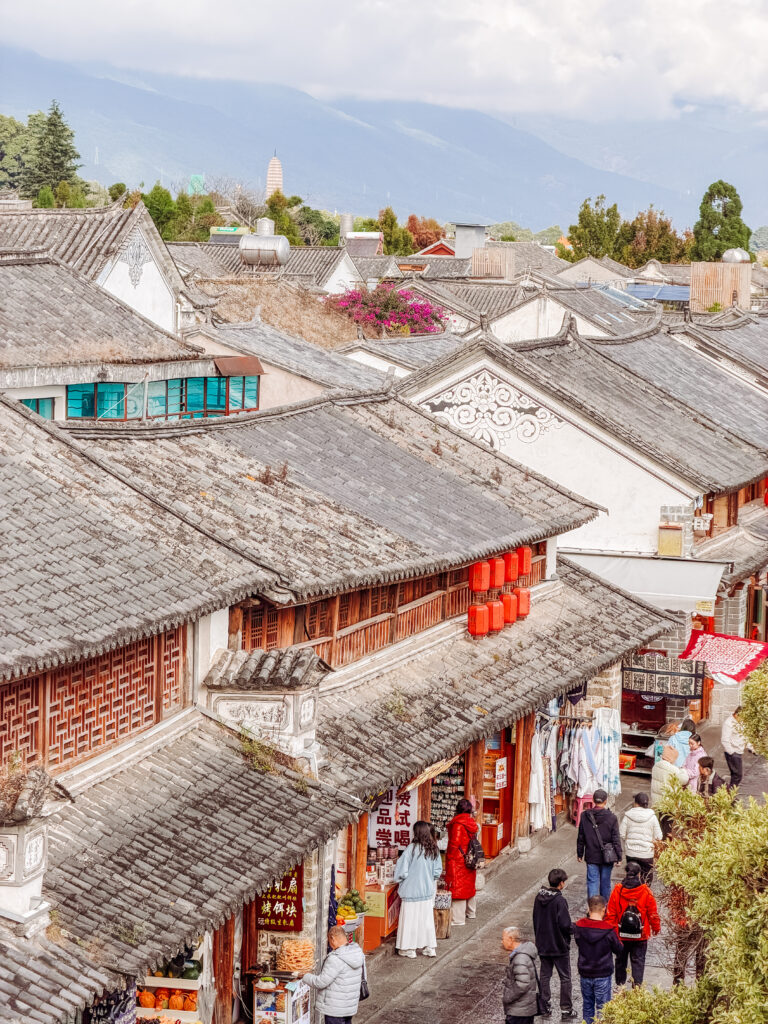
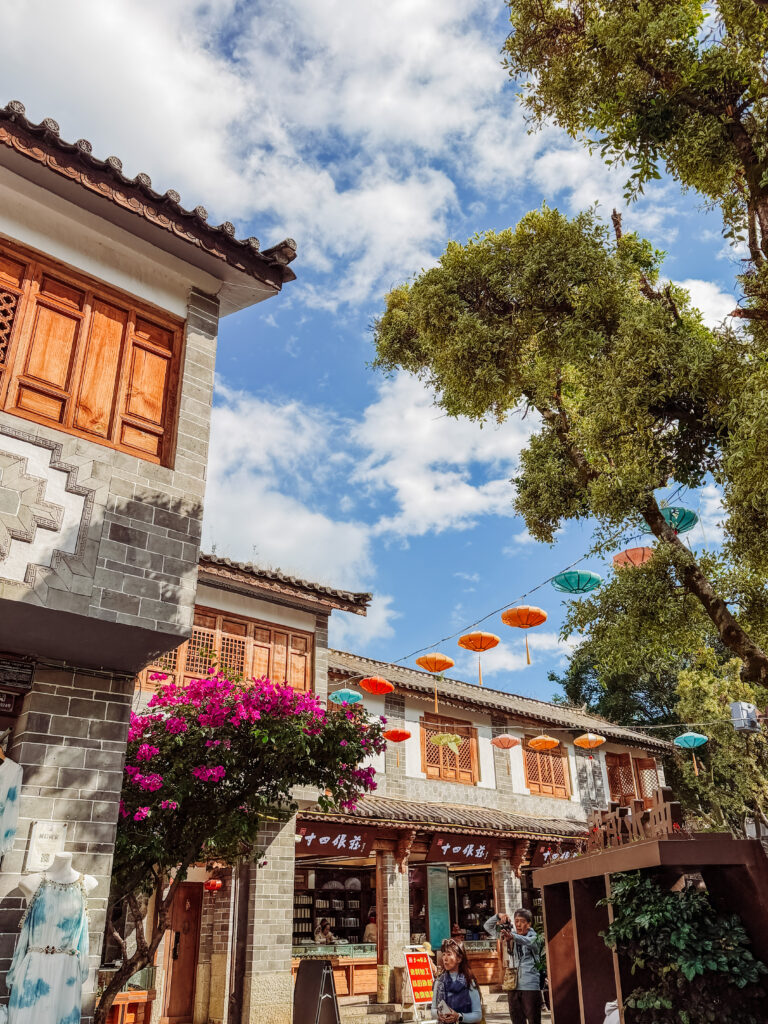
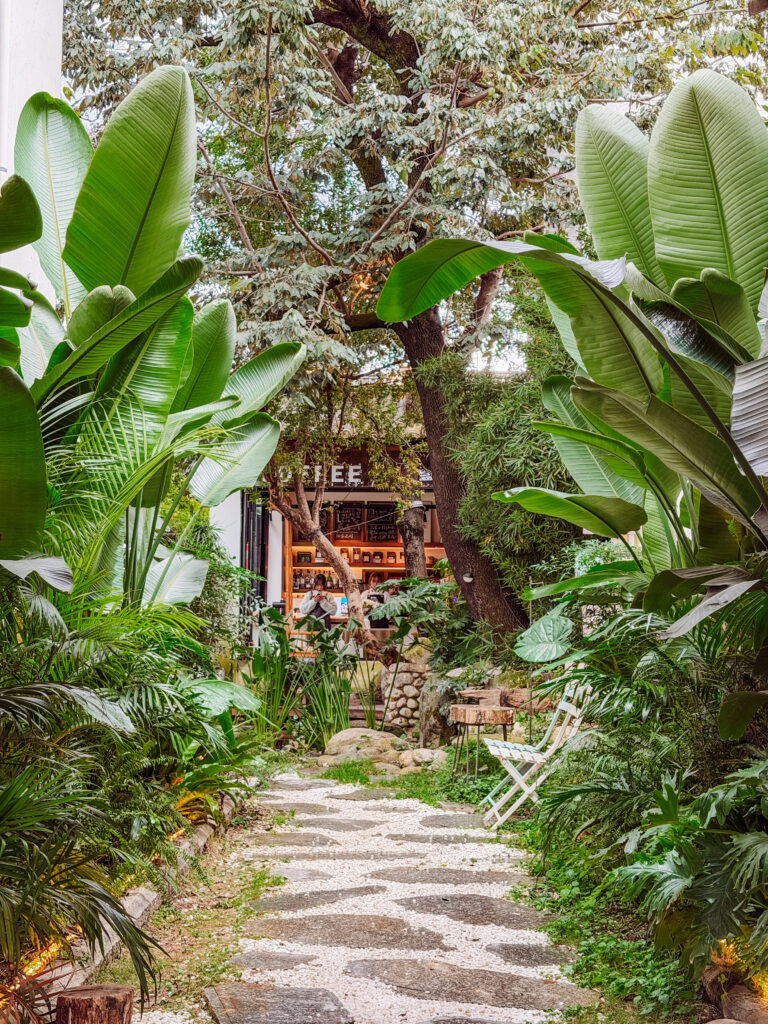
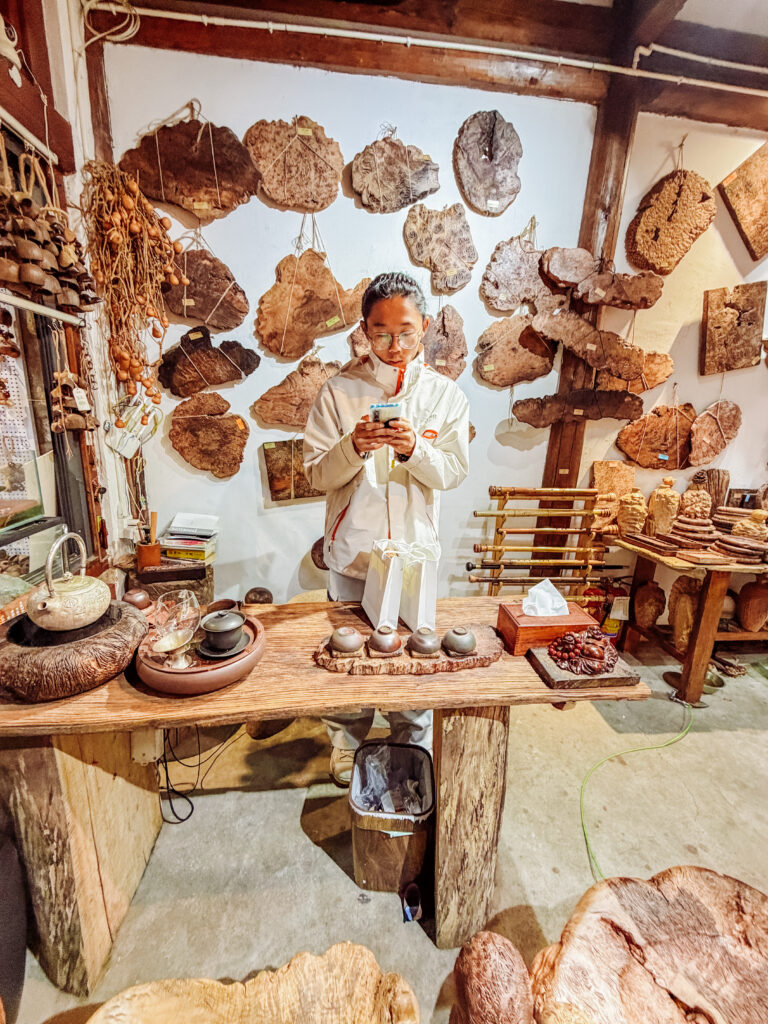
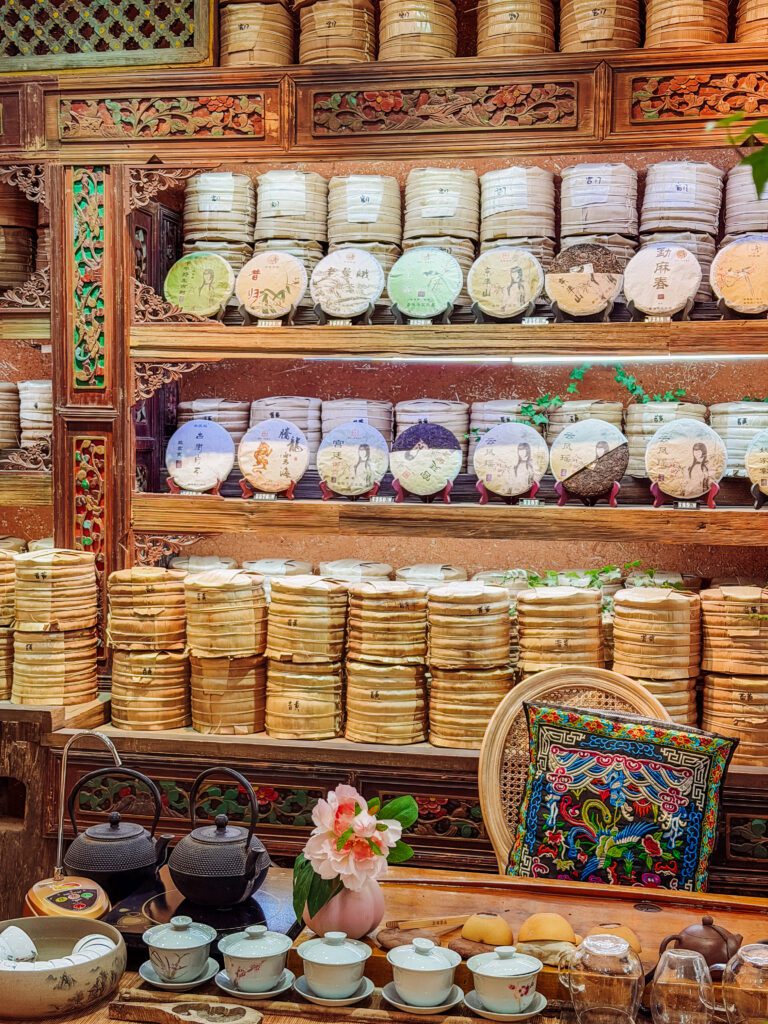
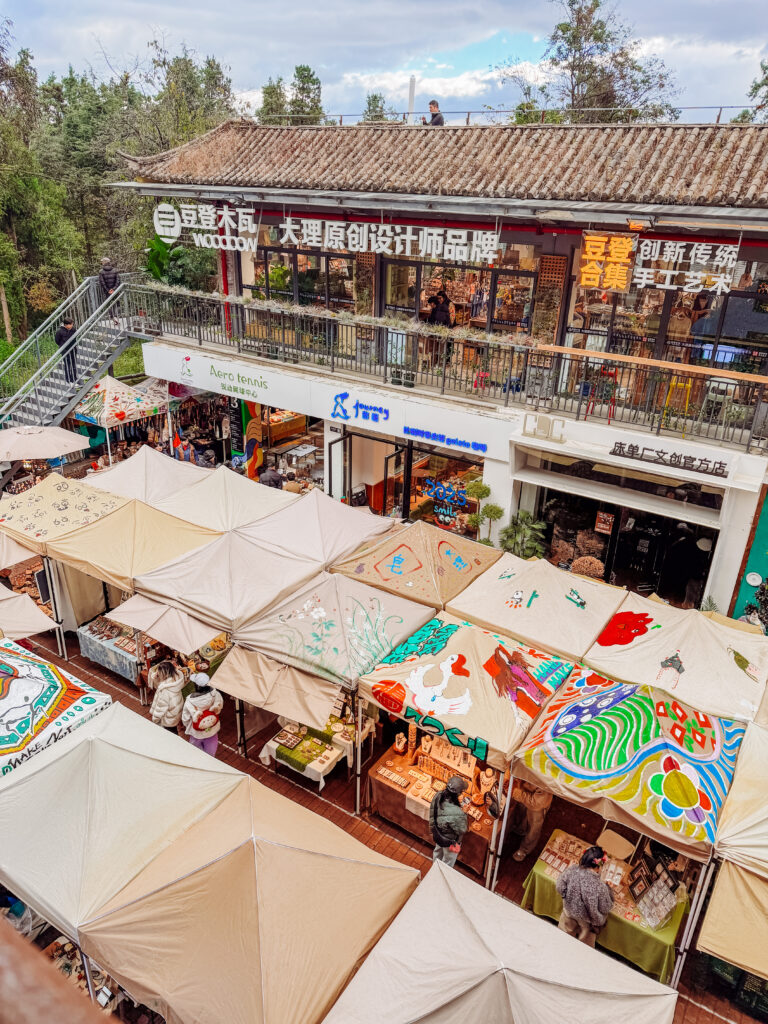
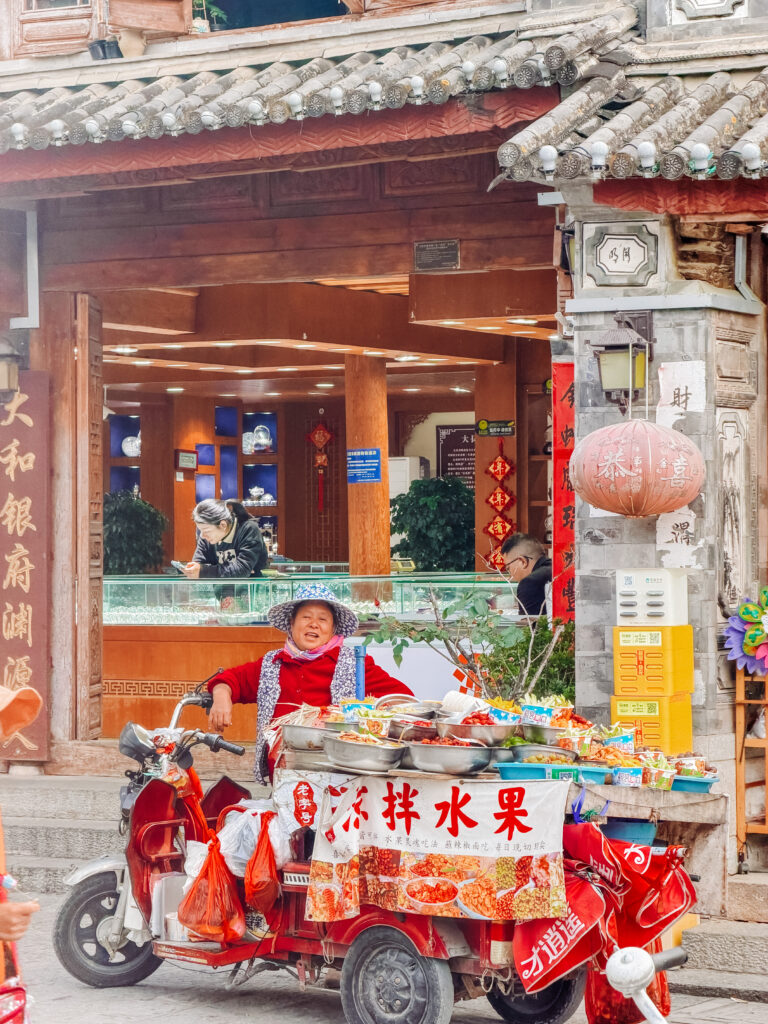
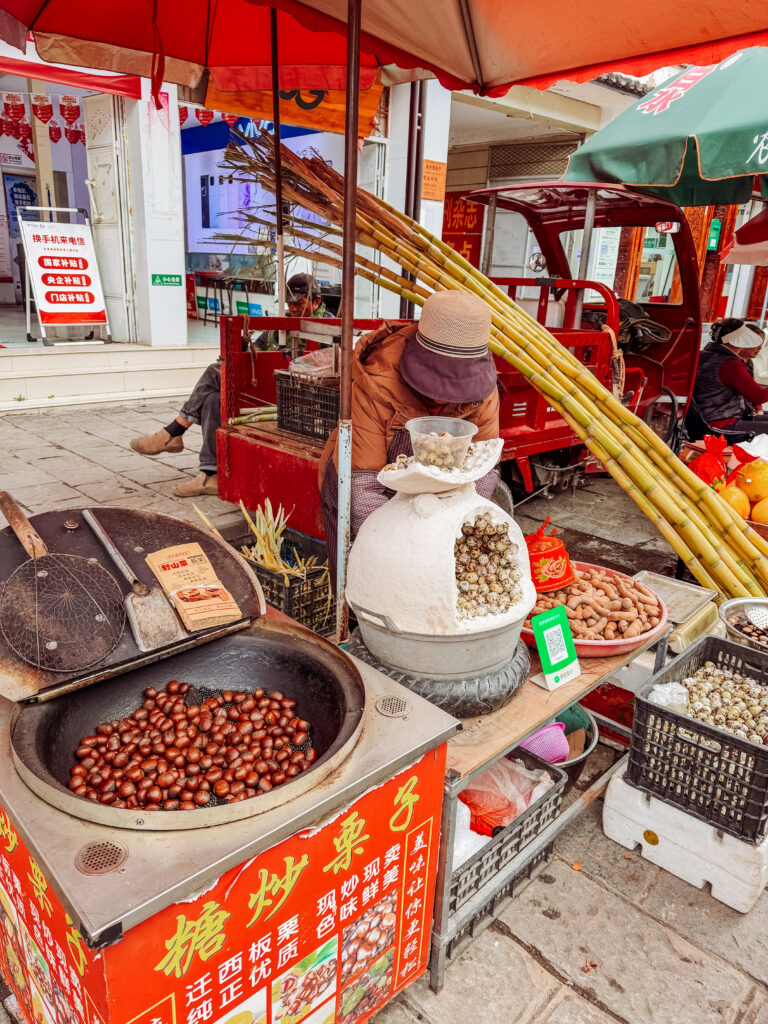
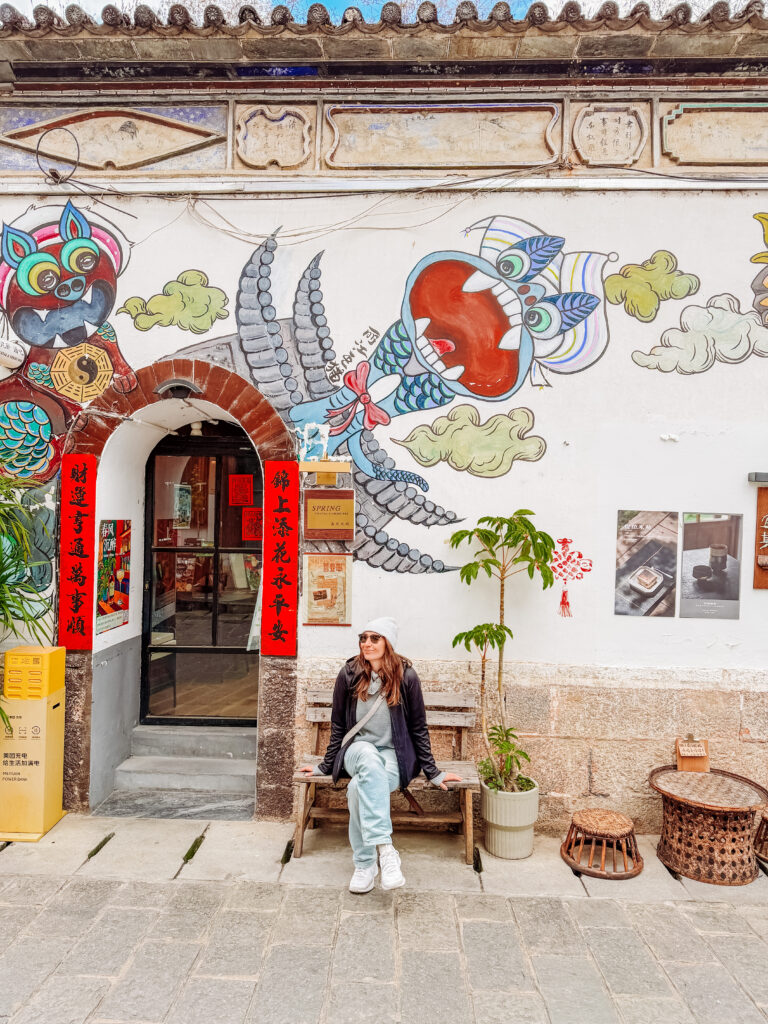
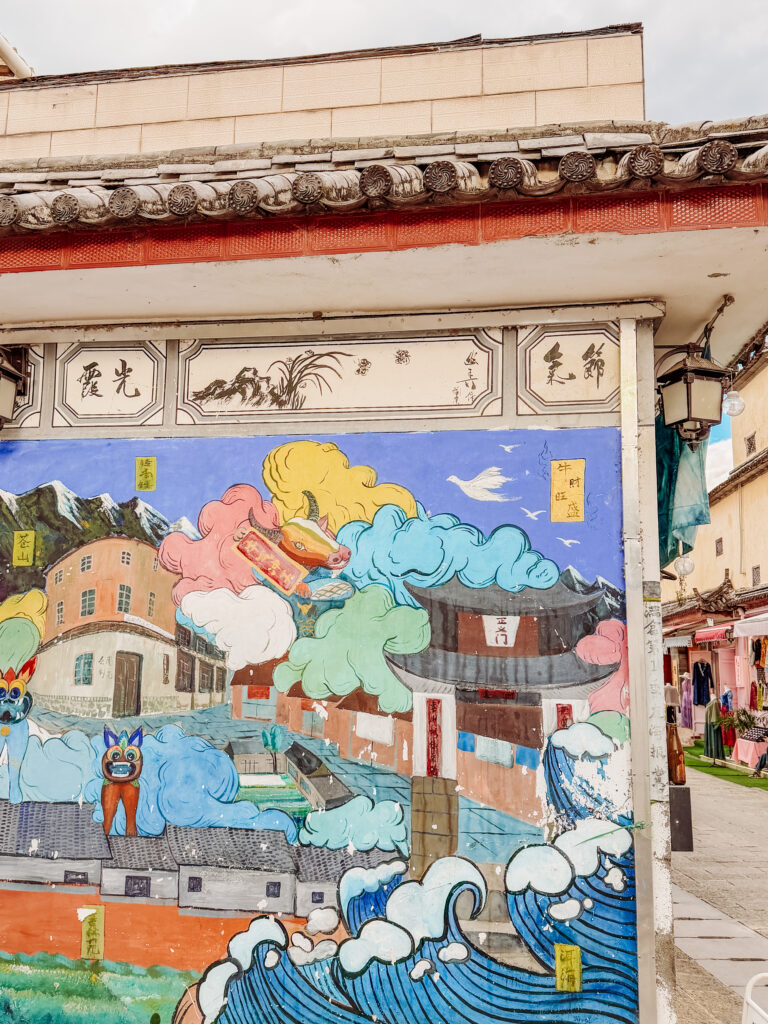
The area is full of cafes, markets, shops and lots of street food! Shopping here is good, check out the beautiful tea stores, wood craftsmanship and art stores. There is an art factory area where an industrial building has been converted into an art centre with lots of shops and stalls around to see and buy the crafts.
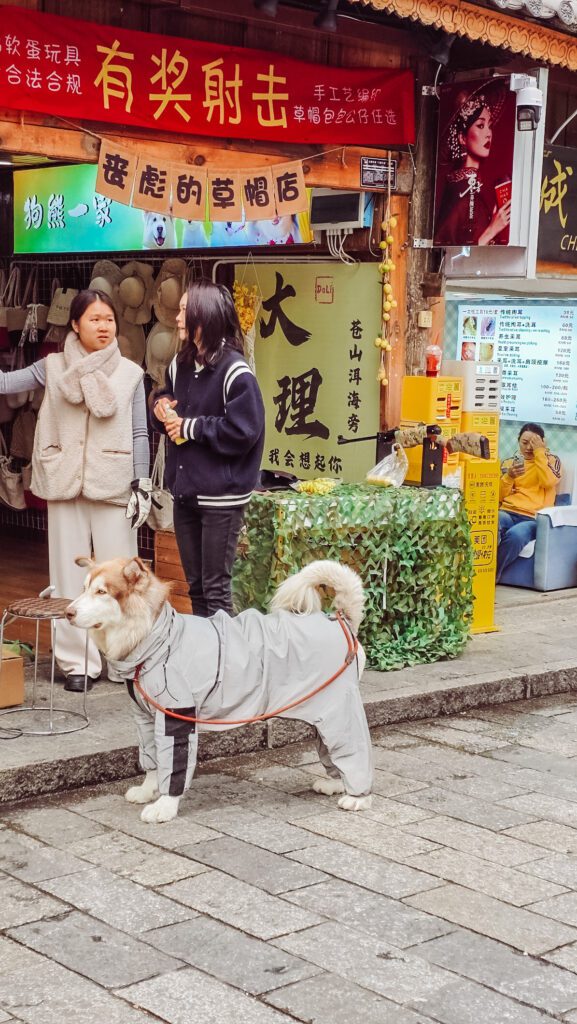
Check out all the cute dogs, honestly I could do this all day. Chinese people have gorgeous dogs and they dress them up, at the time of year we were there all the dogs were in tracksuits!
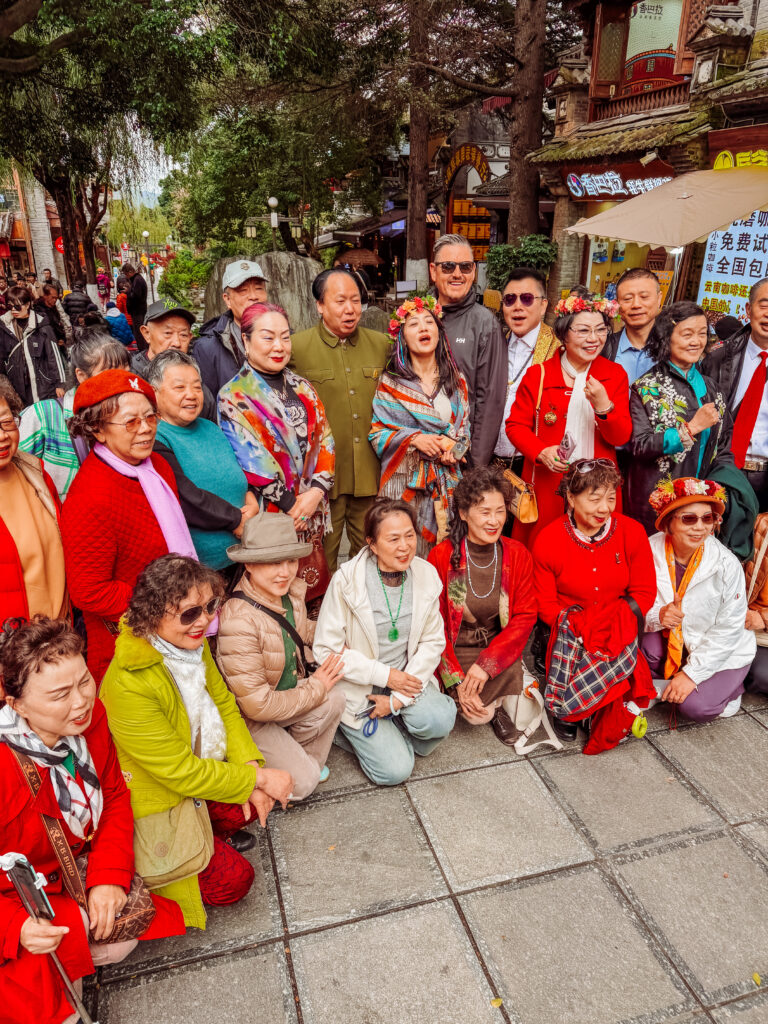
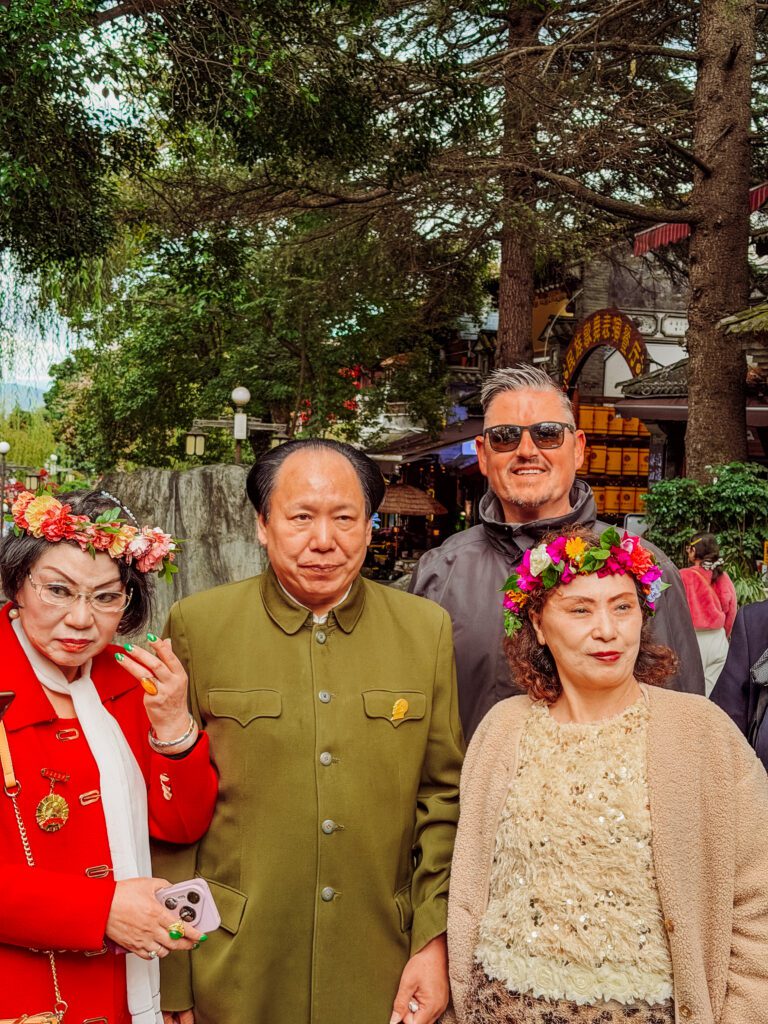
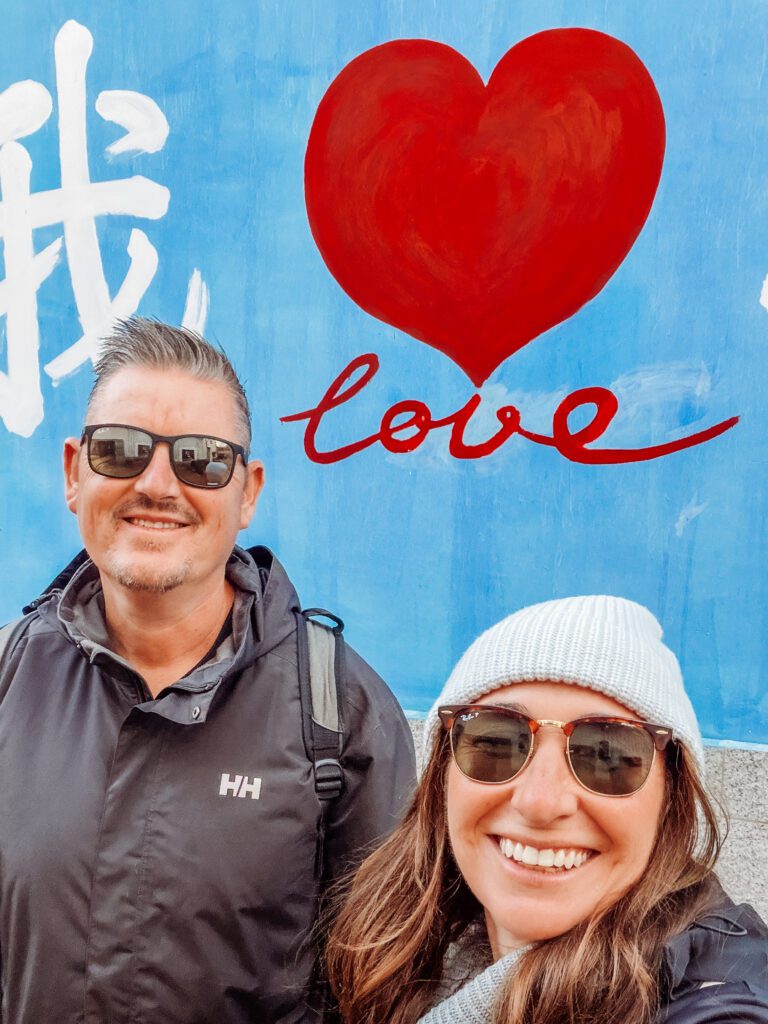
We got stopped by a Chinese group who were on a trip and had a few impersonators travelling with them. We have no idea what was happening or said but we were pulled into many pictures and then they all burst into song and filmed it…whatever was happening it was a bit of fun I guess. On that note you should know that Chinese people love to have a good time. They also love to get a picture with Western Tourists, especially in the Yunnan province. Not so much in the big cities like Shanghai but in the western rural area and smaller towns you will be asked to be in many, many photos.
Cycle Around (or just soak up the vibes) at Erhai Lake
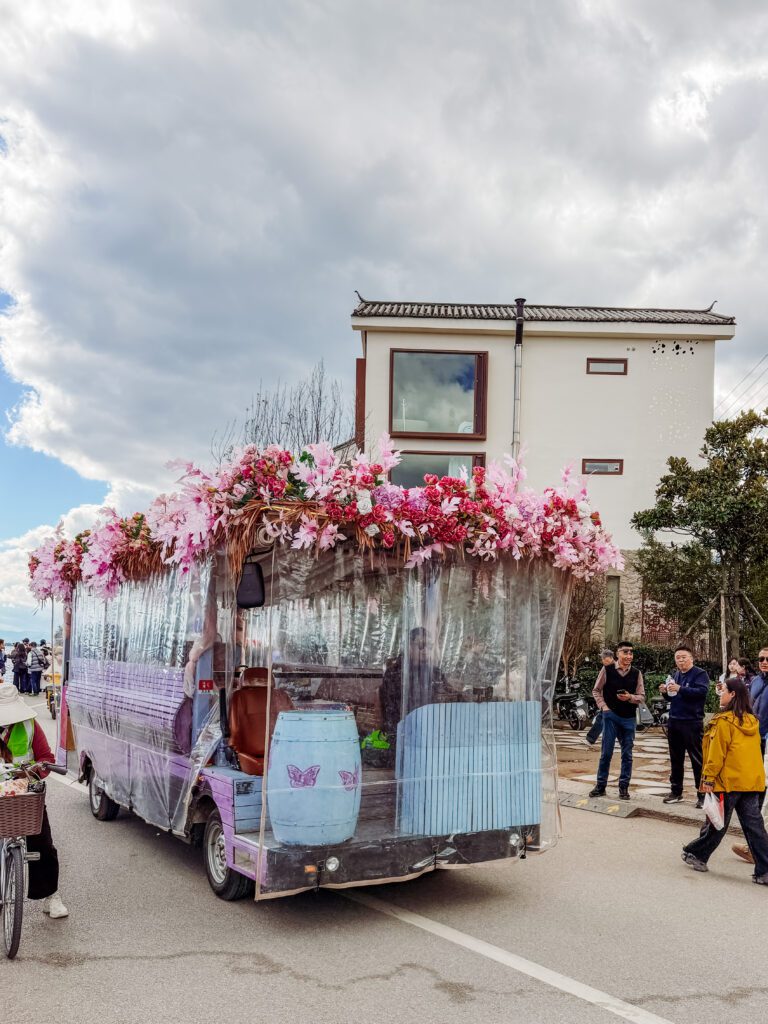
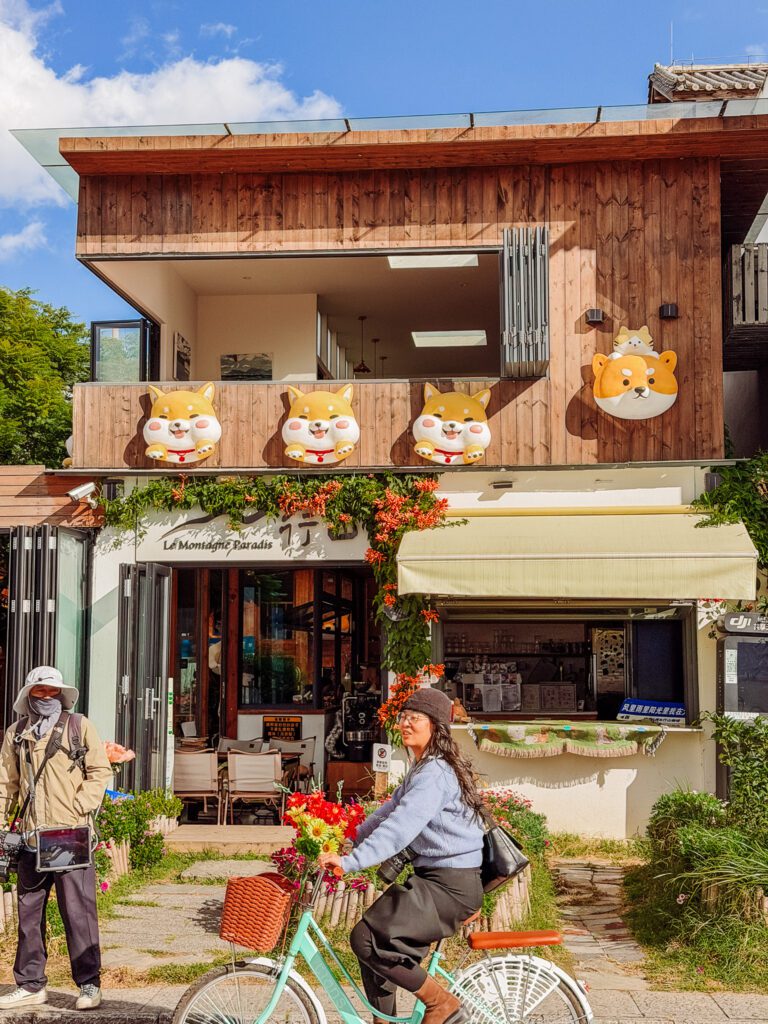
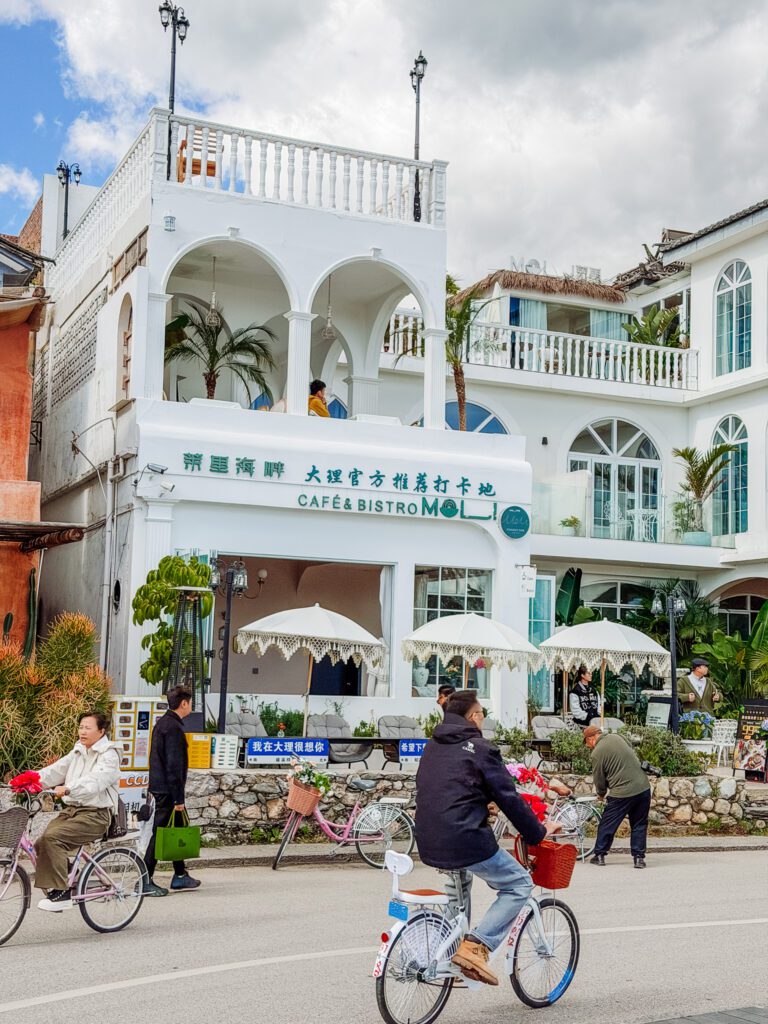
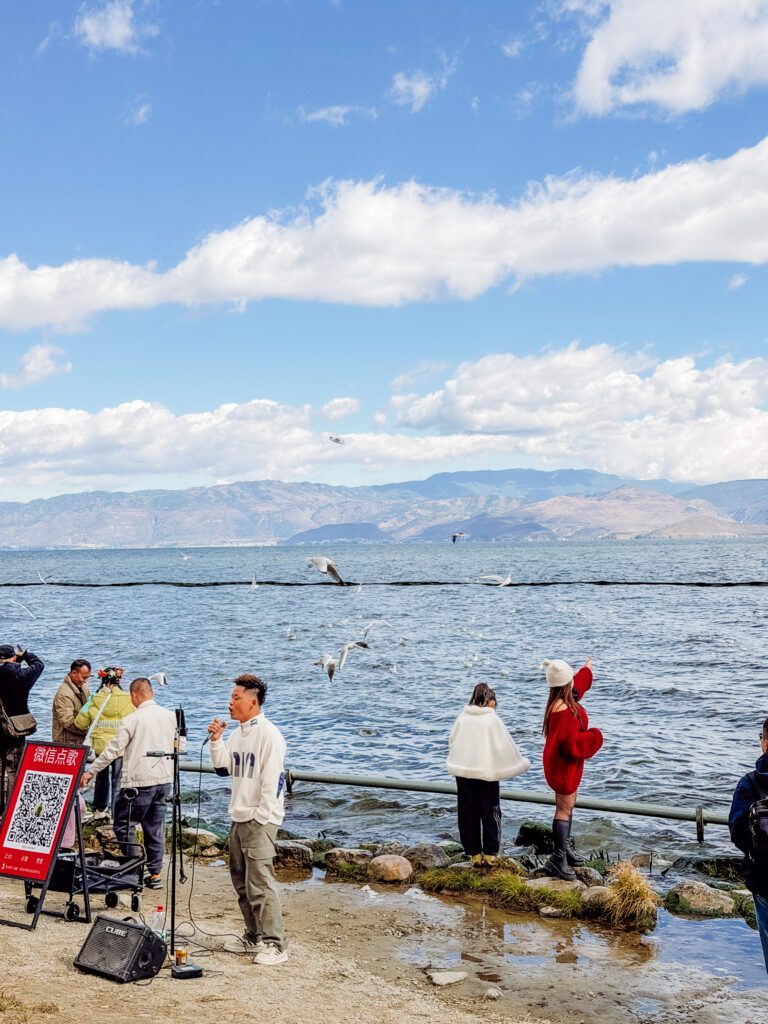
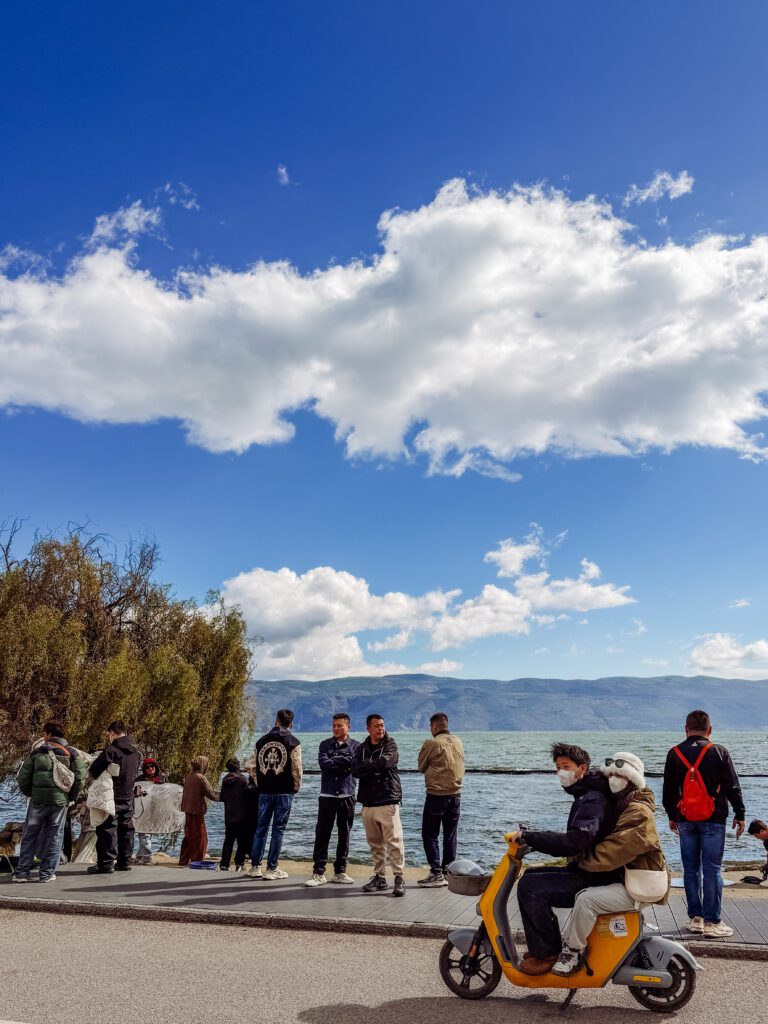
One of the best experiences in Dali is getting down to the lake, renting a bike and cycling around. It is massive so you wont actually go the whole way around though, head to the S1 area. It is really scenic and where most of the action happens. Tip-you can’t actually take your e-scooter through to the lake so you will have to park it outside and walk through. If you take a bycyle there you can get it through or just hire one when you are there. There is also a boat cruise and a sightseeing bus that you can take on or around the lake to enjoy your time there.


Visit the Three Pagodas
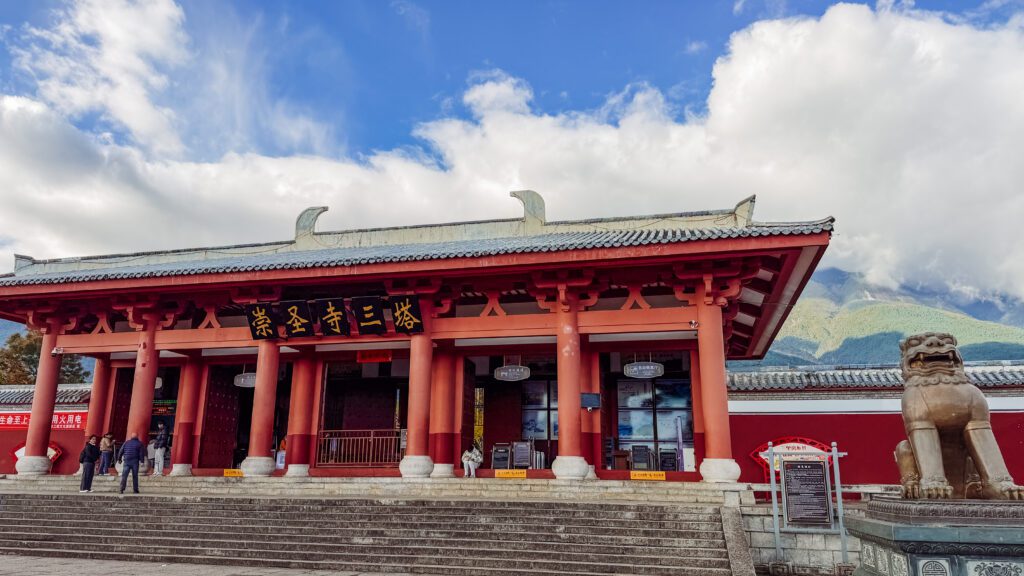
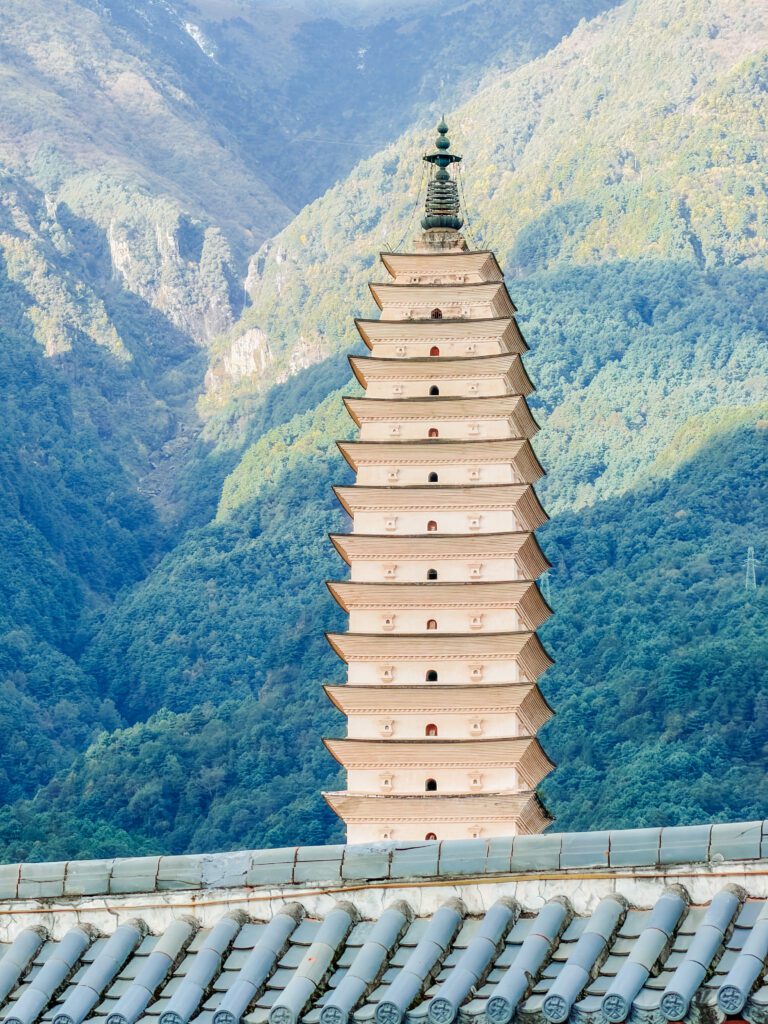
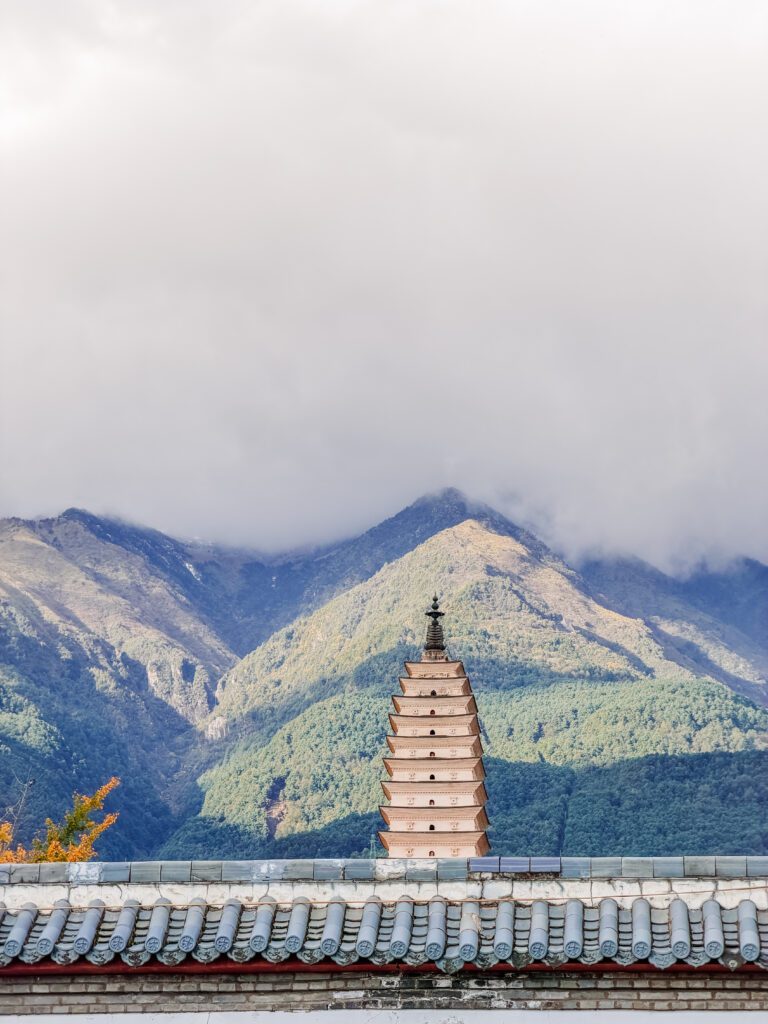
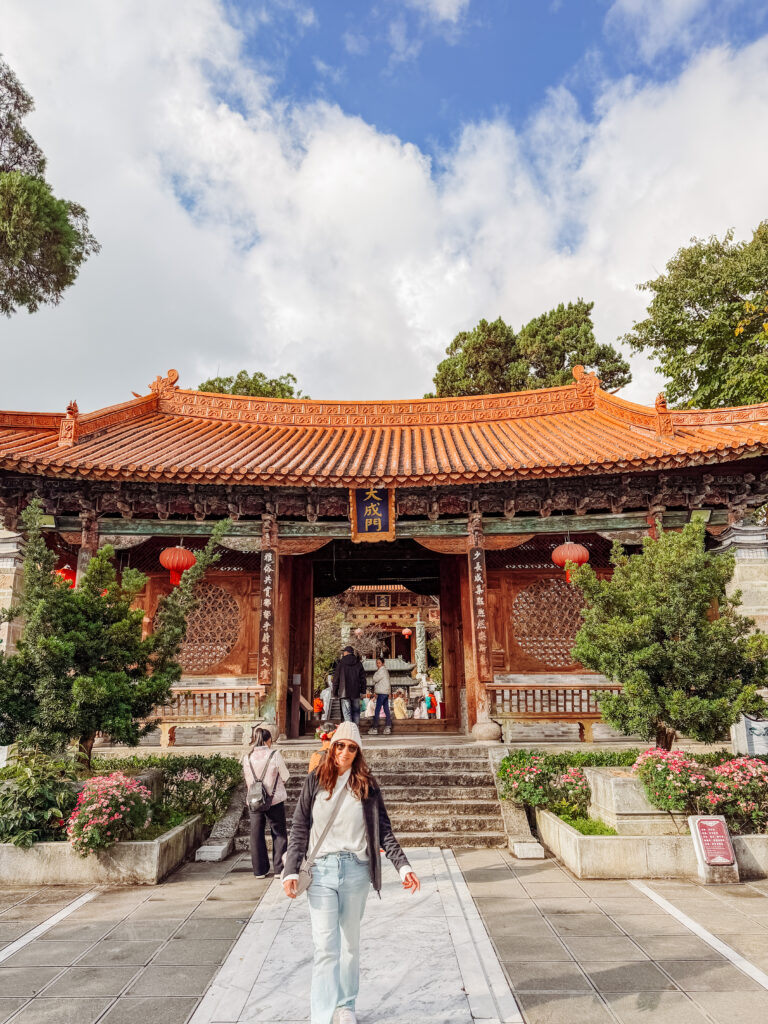
The Three Pagodas are an iconic site in Dali. These 1,200 year old structures are part of a significant monastery complex which was once the royal temple of the Nanzhao and Dali Kingdoms. The main structure is approximately 69m tall and they have survived multiple earthquakes. Great for photography, history and nature lovers as you will walk through a large garden complex. Tickets cost 120 CNY and you can pay 25 CNY for a sightseeing cart that will take you to the end of the park and then you can walk through the whole complex back to the entry. I would pre purchase tickets online, it is less confusing and you will be ready to enter on arrival. It was under maintenance when we tried to go here so it is somewhere we are planning to visit on our return.
Take a Cable Car Up Cangshan Mountains
Head up to Cangshan Mountain for hiking or just take in the views, it is a beautiful mountain and the cable car ride up very scenic. There are a couple of cable cars up the mountain, for an easier hike take the Zhonghe Cableway (near Sanyue Street) up to the area. The other two are the Ximatan cable car and the Gantong Ropeway both of which can go right up the mountain although they make other stops. You can take a tour that shows you Gantong Ropeway and Lake Erhai which will cover a lot of ground in one day.
You can hike from the Ximatan cable car to the Seven Dragon Girl Pond and follow the Jade Belt Road over to Zhonghe Temple. It is an 11.5 km stone, mostly flat trail. It connects three temples such as Zhonghe Temple with five waterfalls and pretty views of both the town and lake while not being too difficult. You can pre-purchase your cable car tickets so you can just scan them to enter when you arrive.
Visit the Nunnery
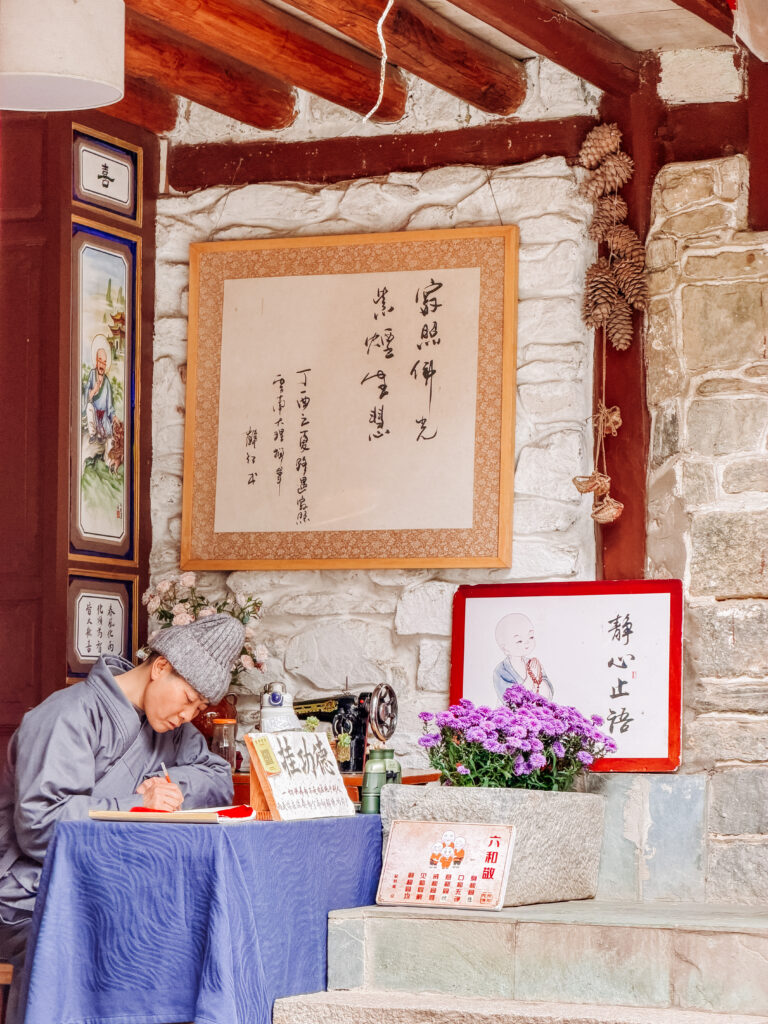
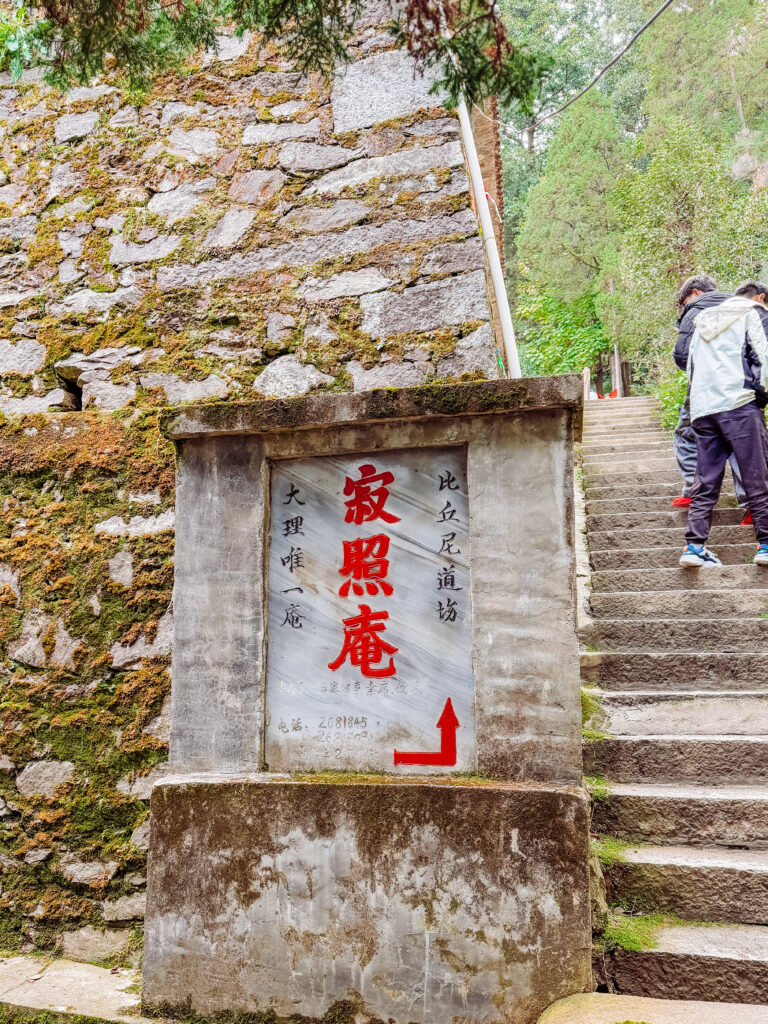
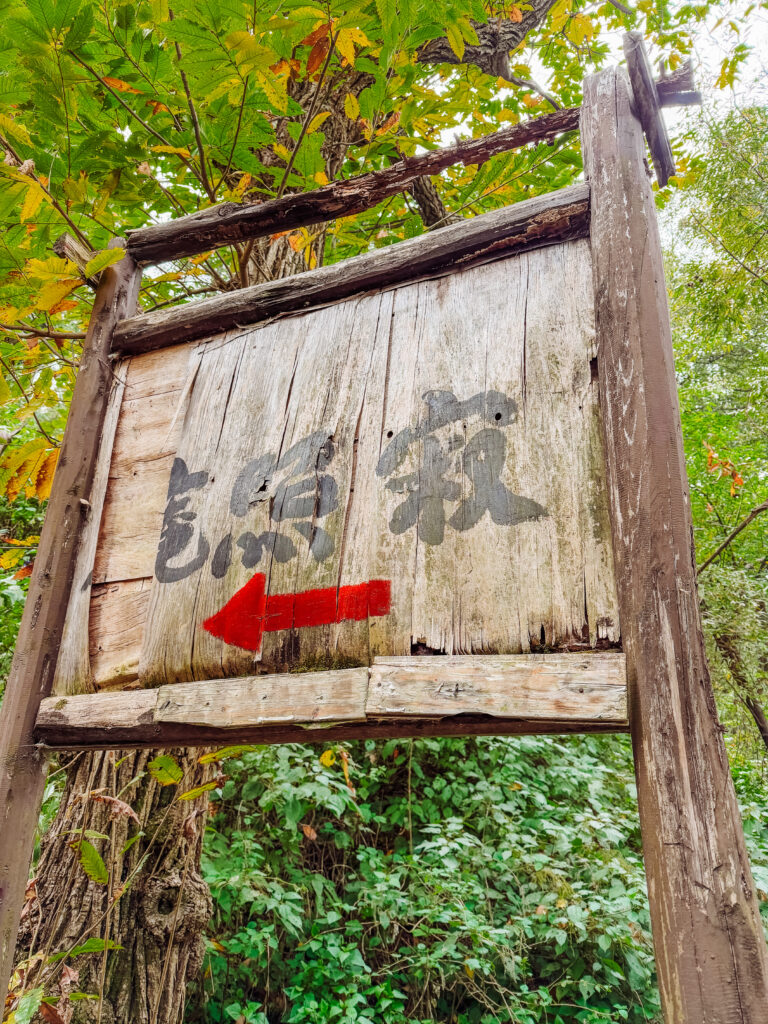
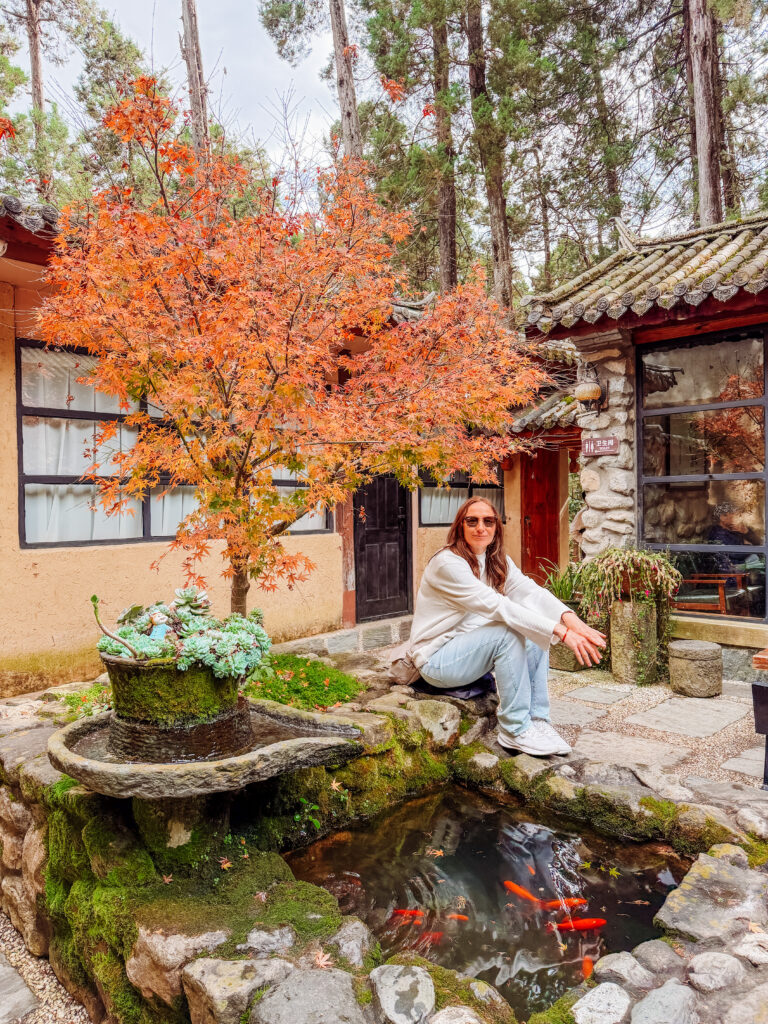
This is like a locals secret and definitely something you should do. We were told about this tranquil nunnery and honestly although it was a pretty steep hike up the side of Cangshan Mountain it was so worth it. This is where I finally stopped and felt completely at peace. Not too many Western tourists make it here so you will be with the local tourists that really just adds to the experience.
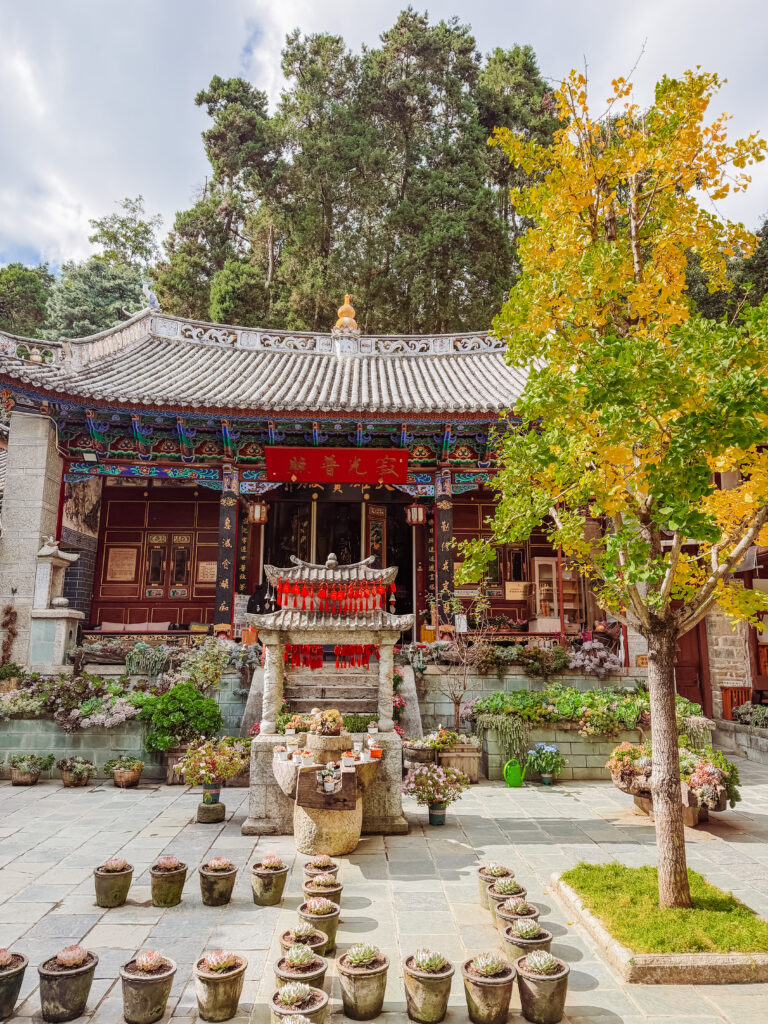
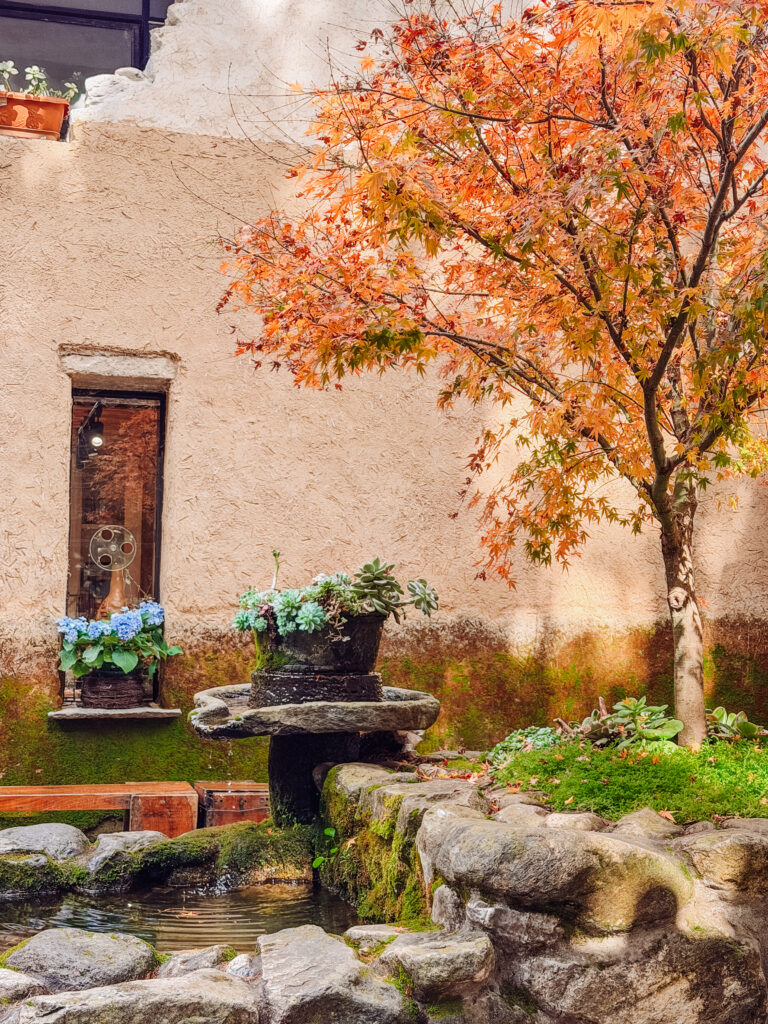
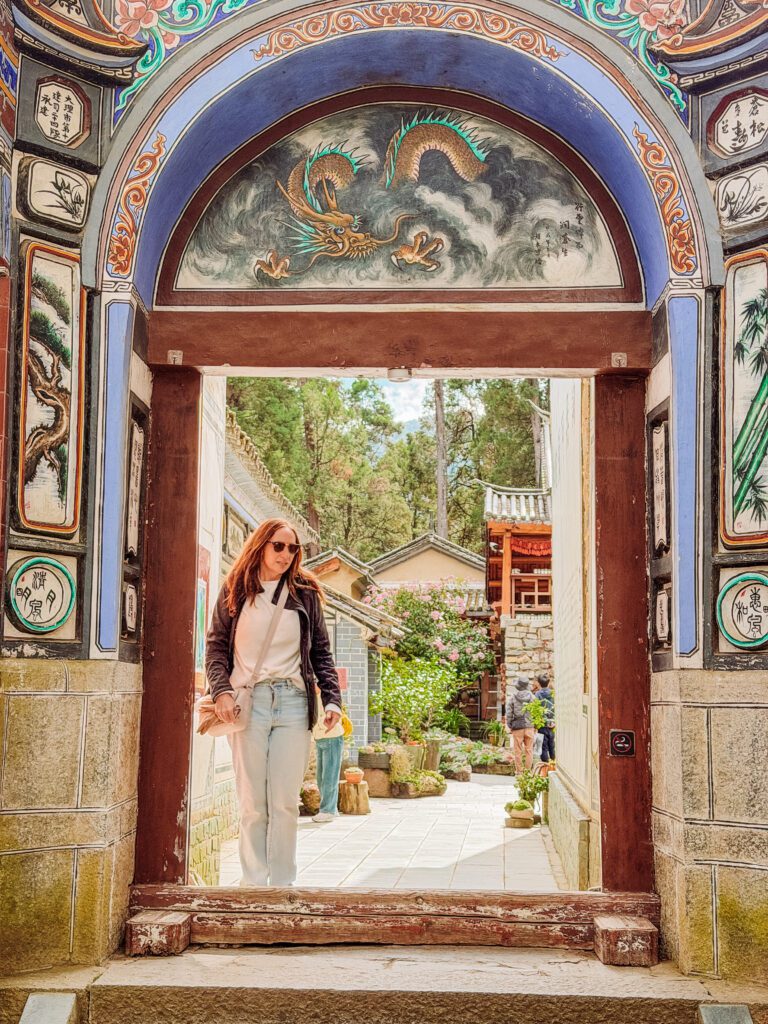
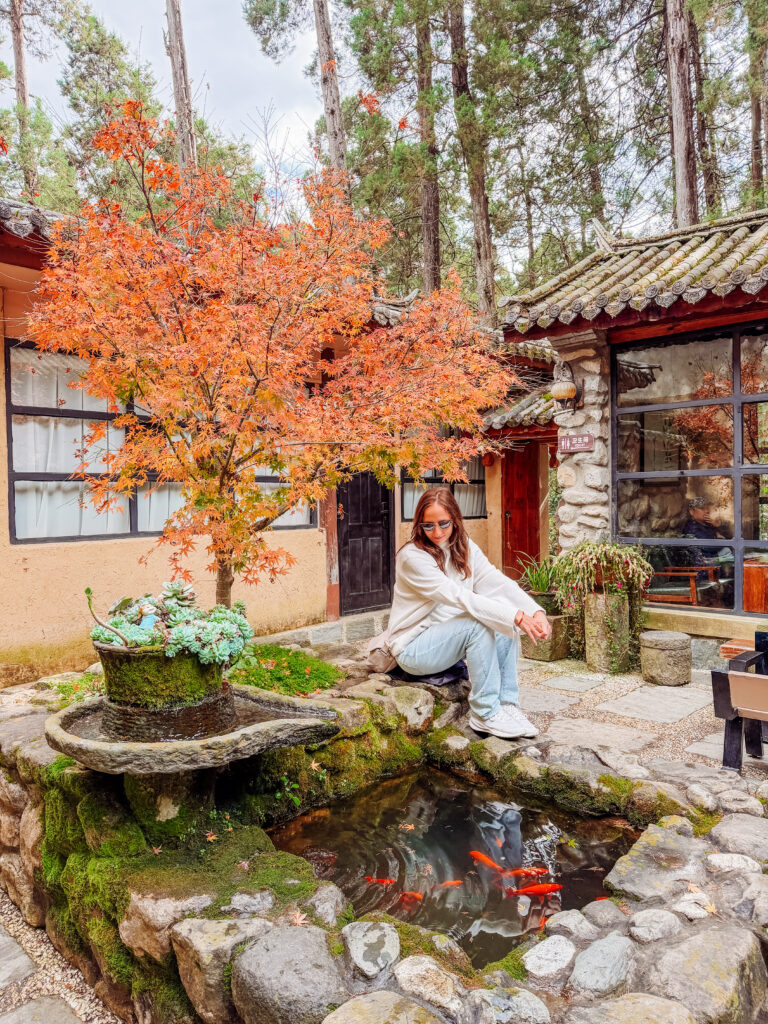
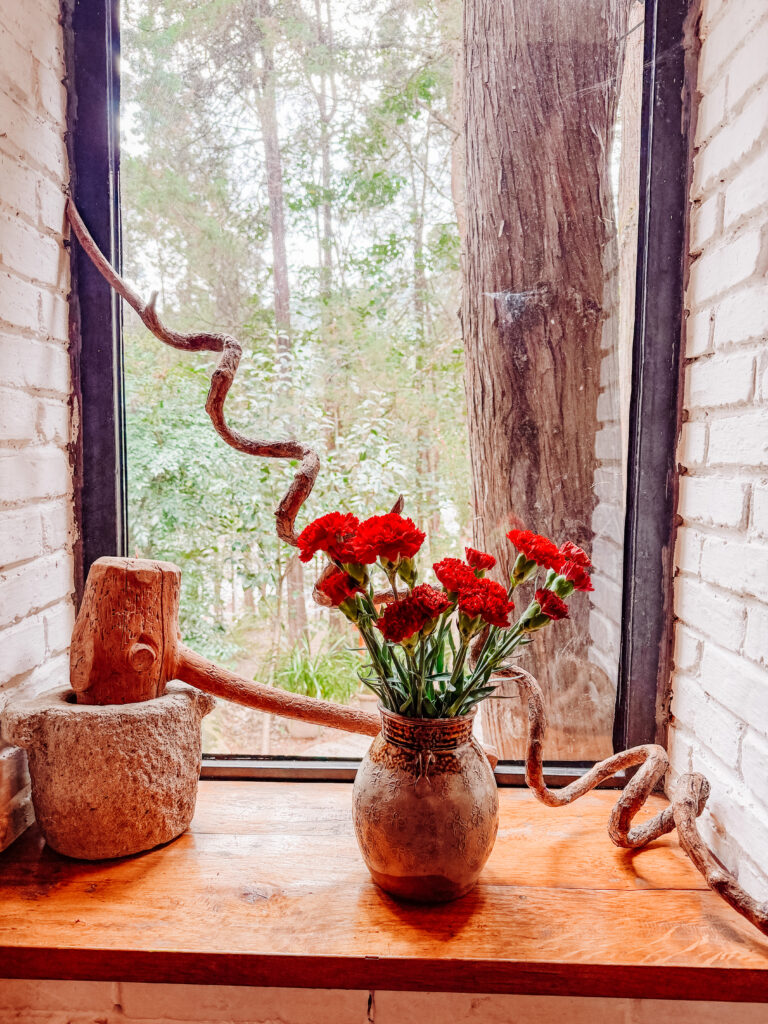
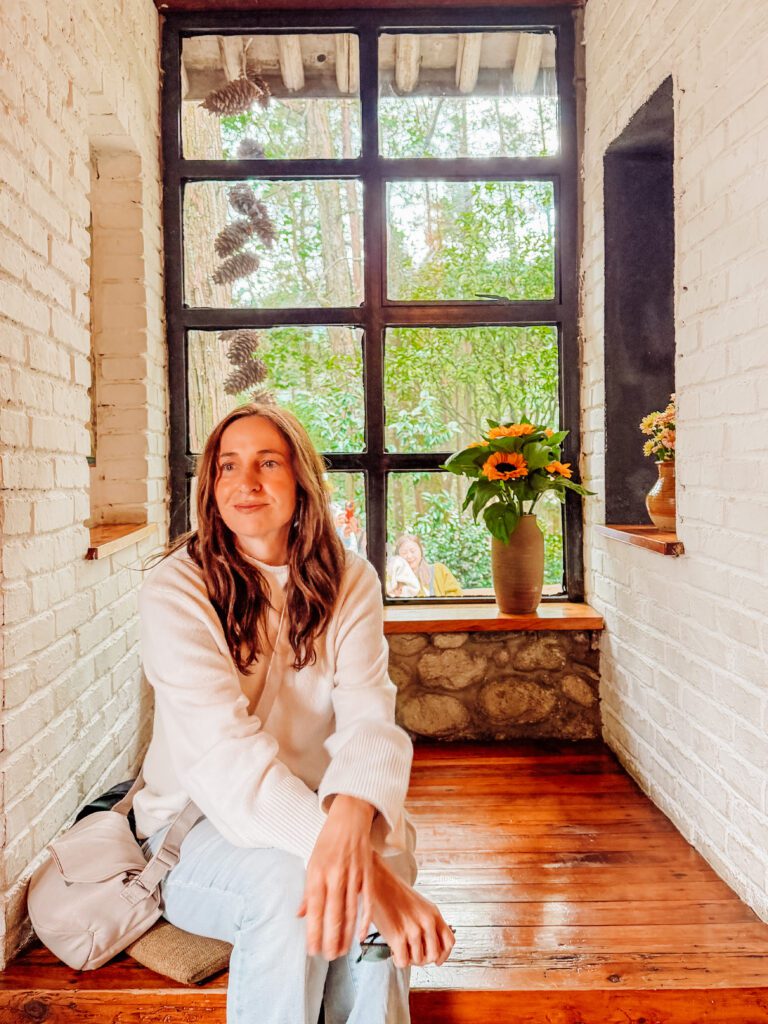
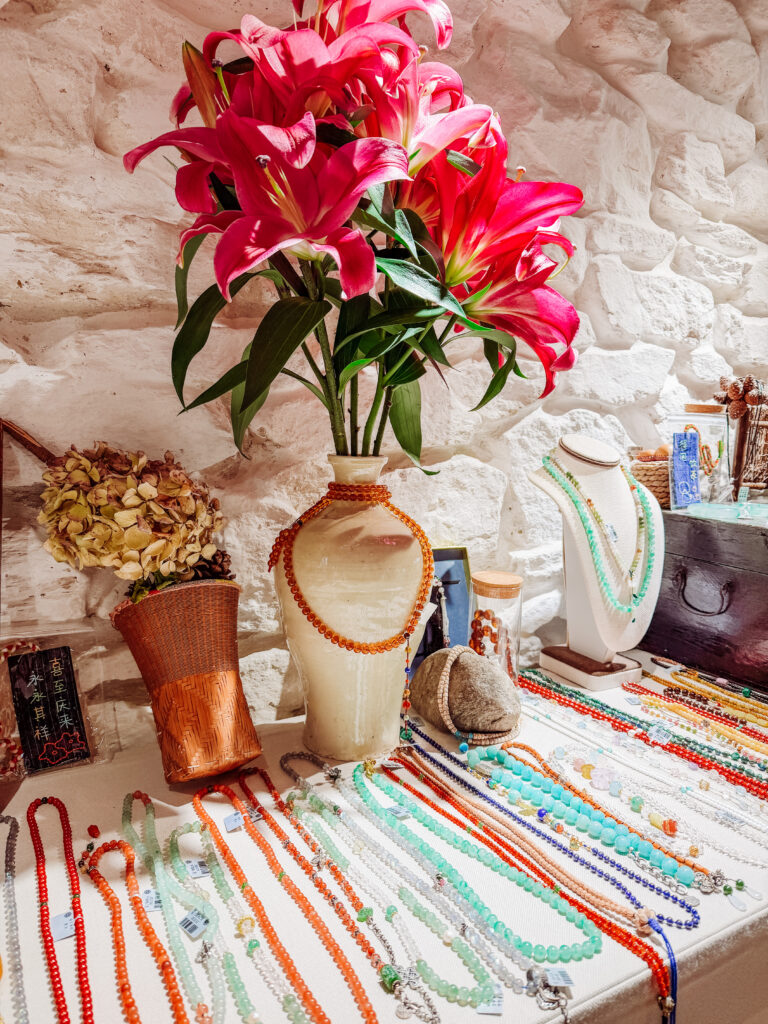
The Jizhao Temple Nunnery is beautiful, quiet and peaceful. They serve a lunch that is cheap and delicious (so I was told), it also starts at 11am and runs out very quickly…we got there too late at 1pm so I would go earlier. We actually started the hike at about 12:20pm ish so it does take a little bit to get up there. They have a little gift store with beautiful jewellery inside as well as a cafe that runs all day. Gran a tea or coffee and soak up the atmosphere.
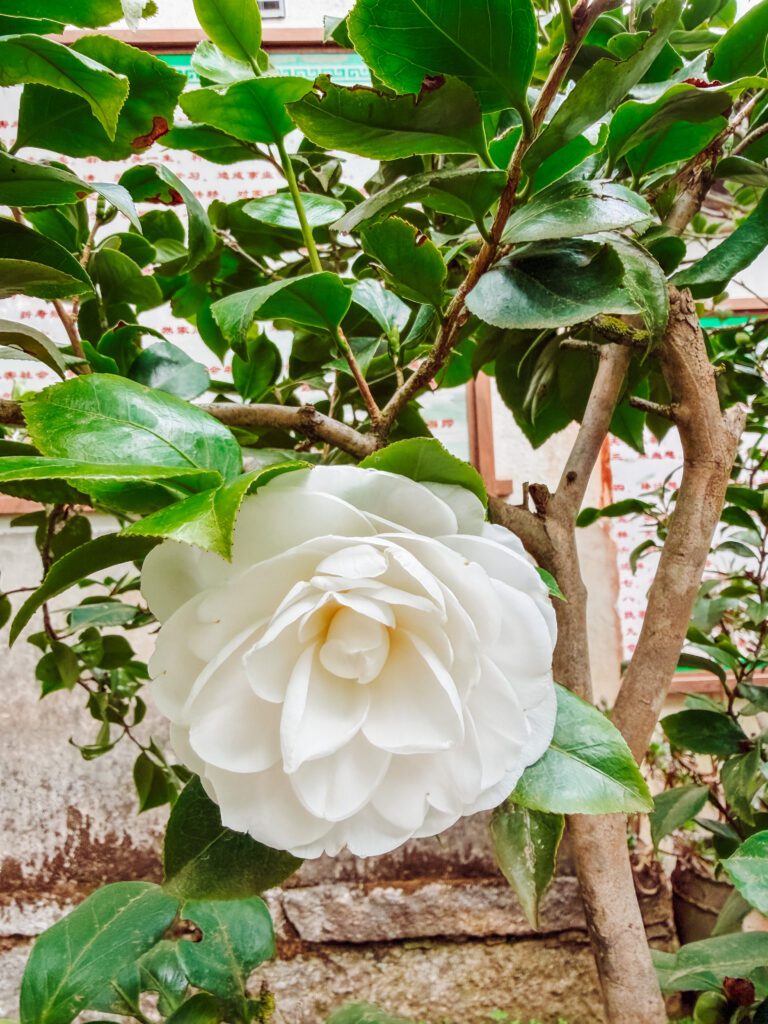
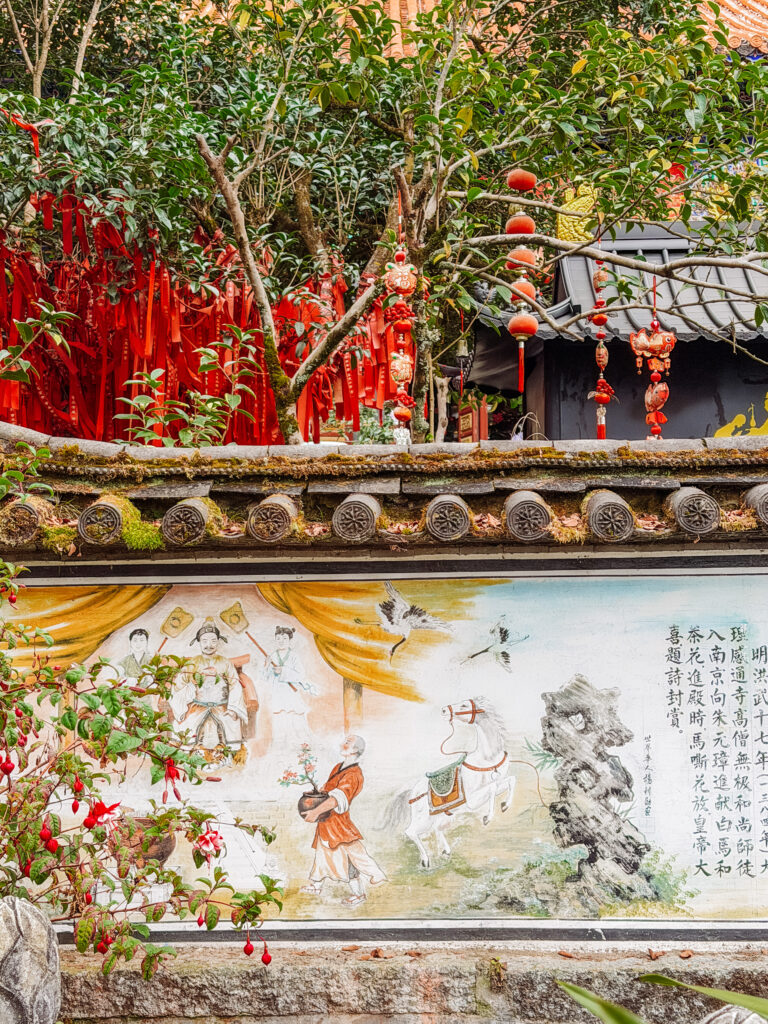
You will get to a temple and think you have arrived, it is not the correct place, you need to keep walking up the mountain, following the path behind this building. It does get a bit steep so take it slowly. There is a couple of guys on motorbikes who are selling rides up to the nunnery, we declined and they were there at the top giggling at us gasping for air and pointing to their bikes, it was pretty funny.
Butterfly Spring
We didn’t make it here but will head here when we get the chance to come back, it is a pretty spring area with a lake and gardens. There is a shop selling natural soaps and products and it looks like a nice place to start your adventures exploring Erhai Lake. It is about half an hour from Dali, close to Zhoucheng Village. Entry costs about $6 USD and you can pre-purchase tickets.
Visit the ancient towns
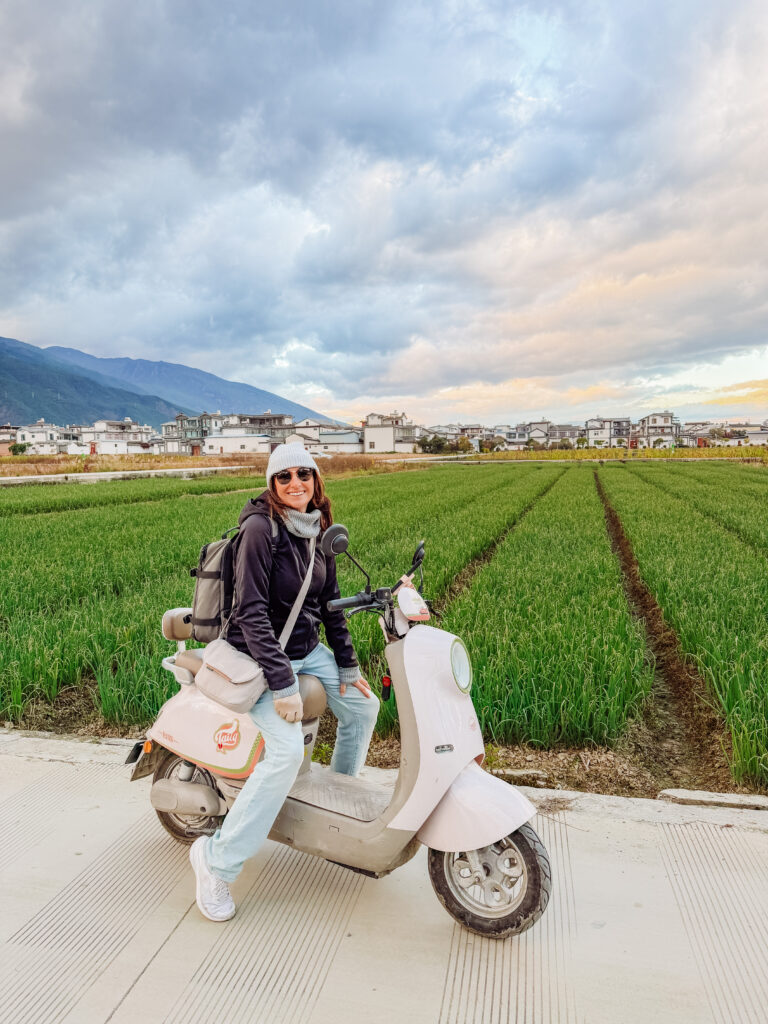
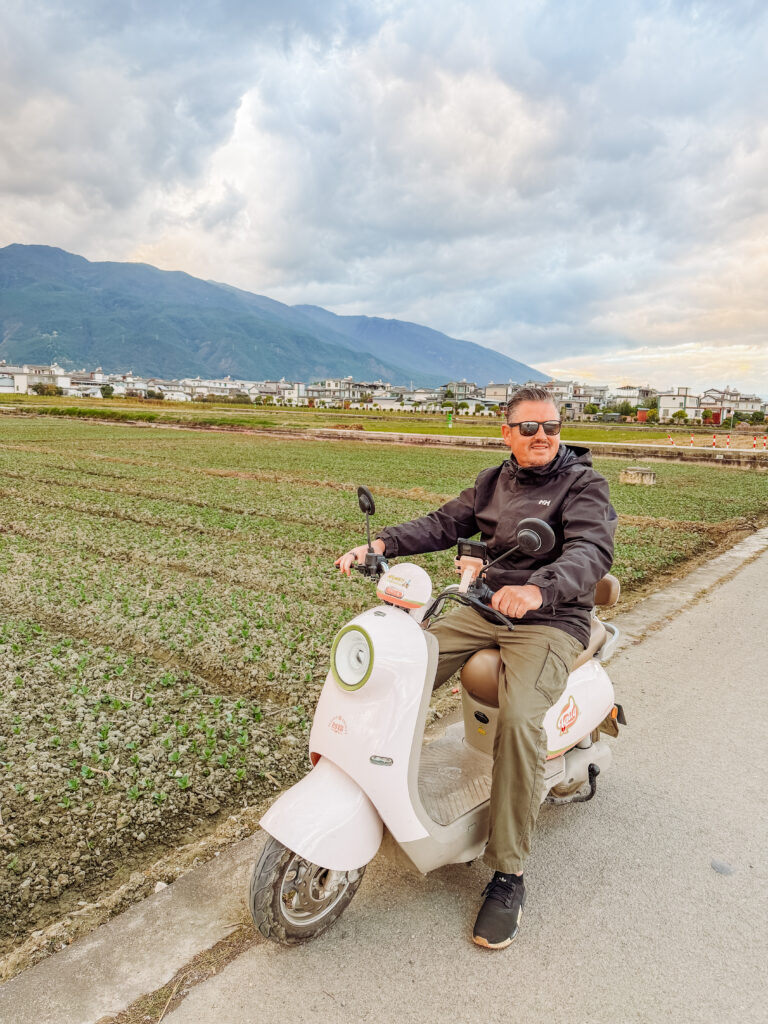
One of my favourite parts of visiting Dali was getting out to all the ancient towns, we made it to the ones that surround the western side of Erhai Lake. I have also added the ones on the Eastern side which we will go to on our next trip here. We hired an e-scooter to get around, it doesn’t go very fast and you will want to take a charging cable with you incase you need it but we managed to get to all these places on one charge. We hired it from a shop a couple of doors down from our hotel, he was great.
Zhoucheng Village
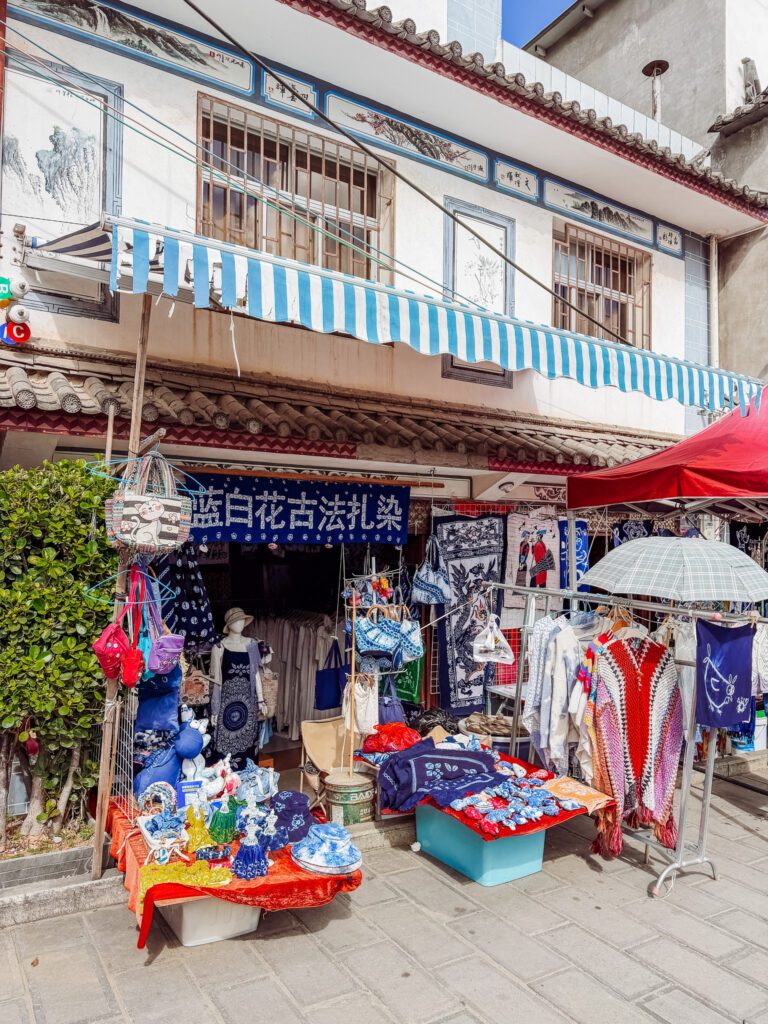
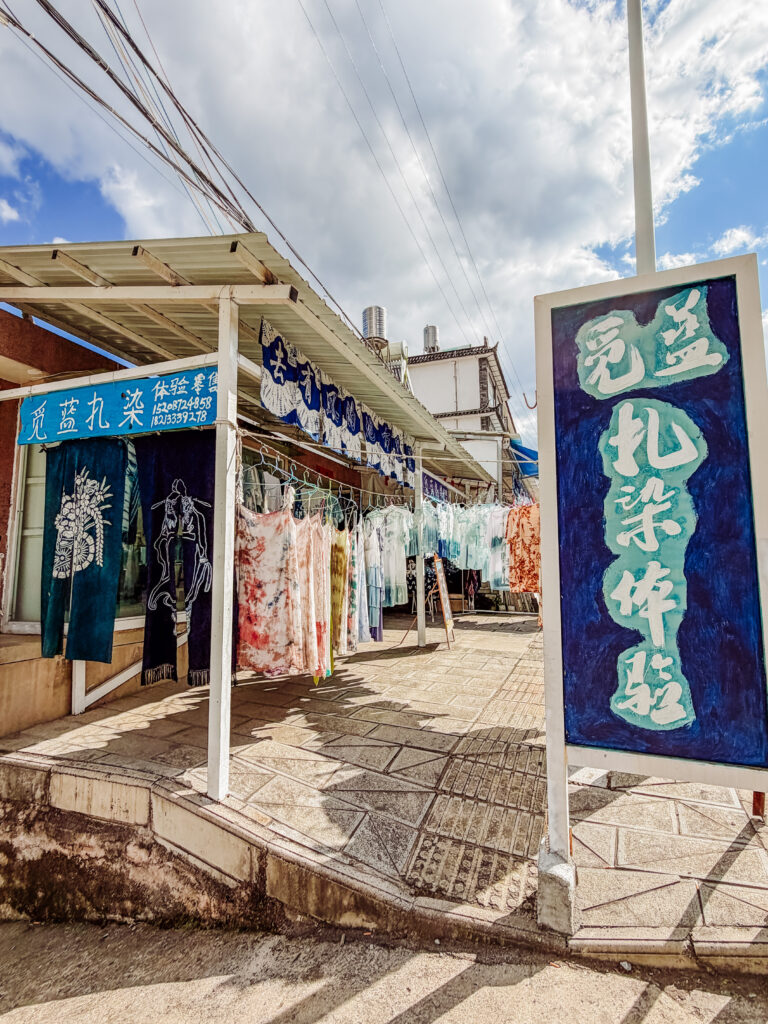
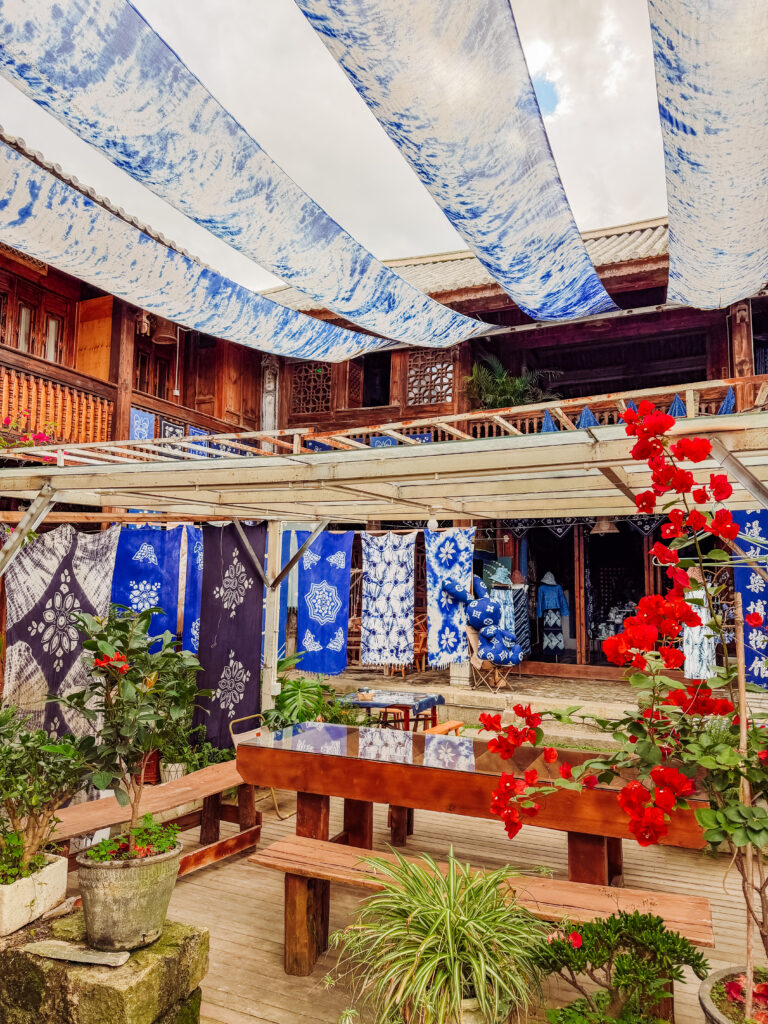
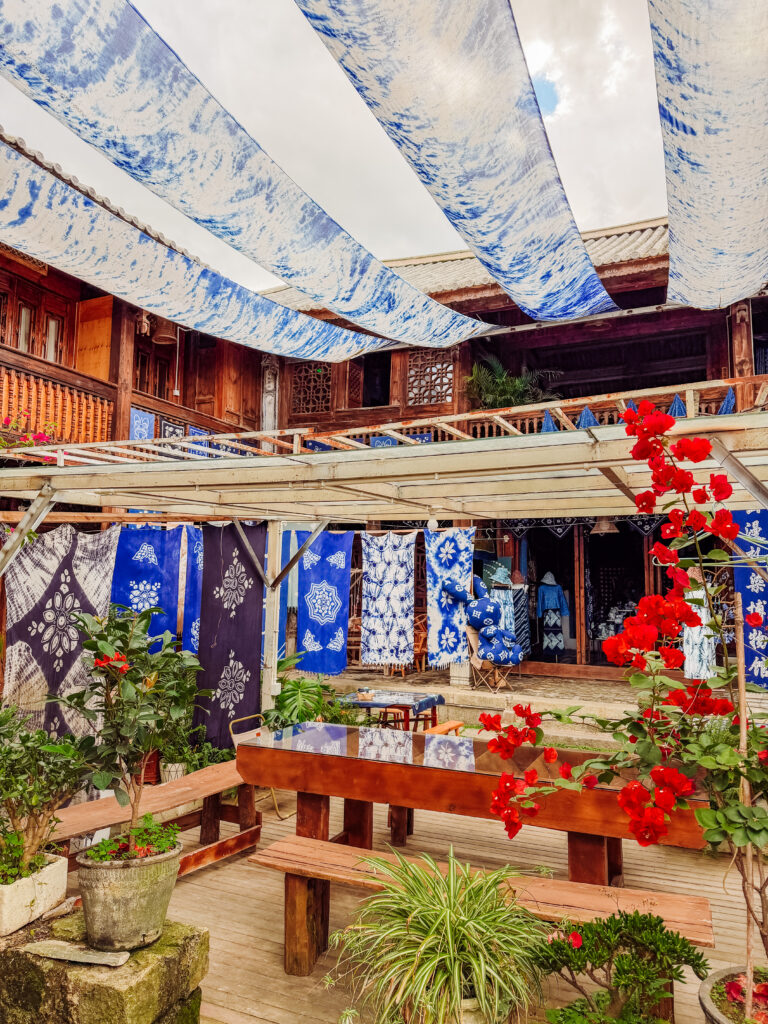
This was our first stop as it was the furtherest from Dali (43km north) and one of the best places to see the ancient art of Bai Tie-dye. Known as ‘the hometown of Bai tie-dye’, Zhoucheng is the largest Bai township in Dali and the residents are highly skilled in tie-dyeing.
See the Tie Dying in Action
Visiting Zhoucheng is a must to see the tie dying in action, most stores have vats out the back and we got to have a quick look at the set up. You can visit Puzhen Tie-Dye Museum to learn about the history and even take part in dying some thing for yourself. The museum is free to enter and the tie dye class can be purchased onsite. Basically you purchase a white piece of clothing and they will help you dye it.
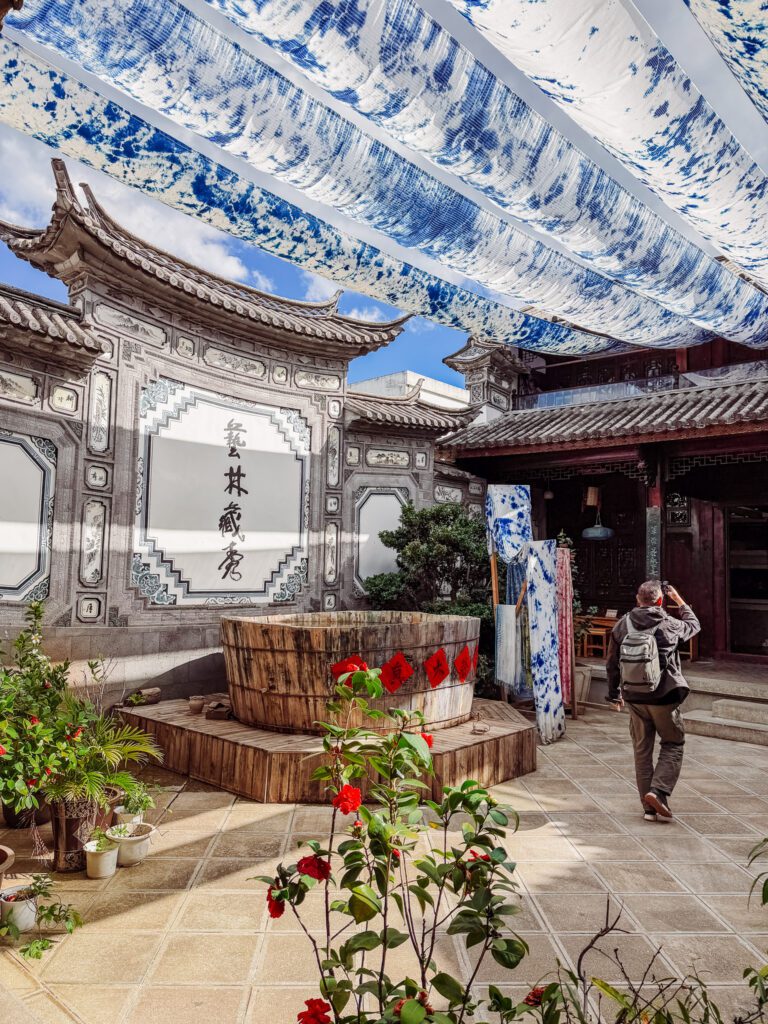
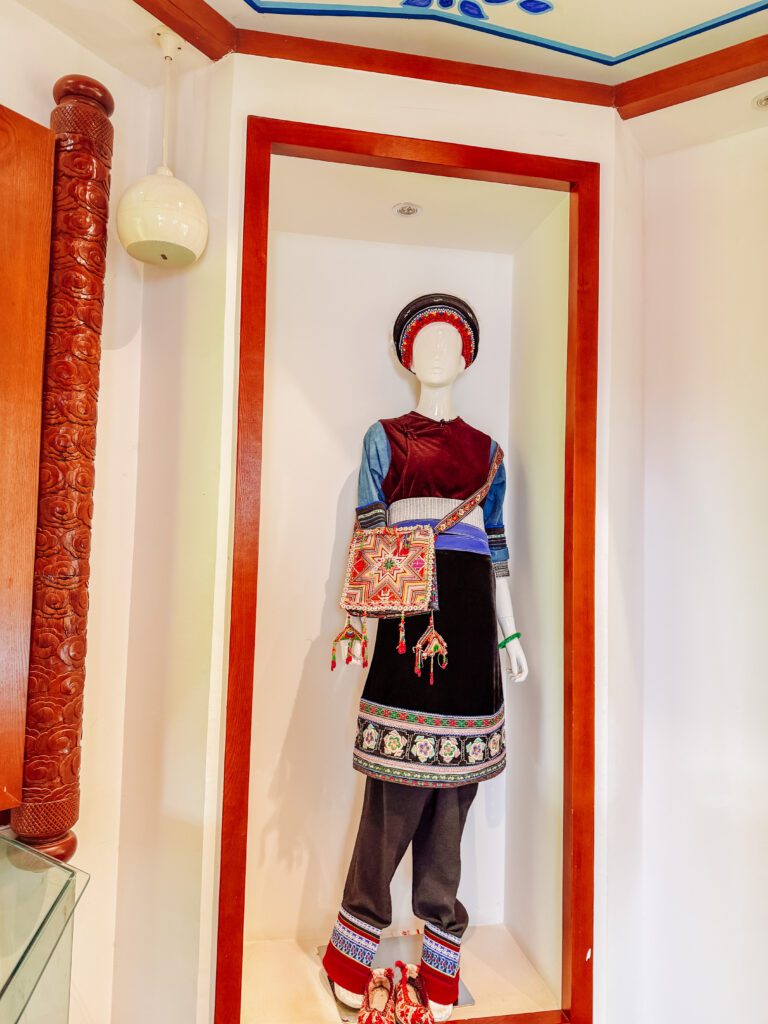
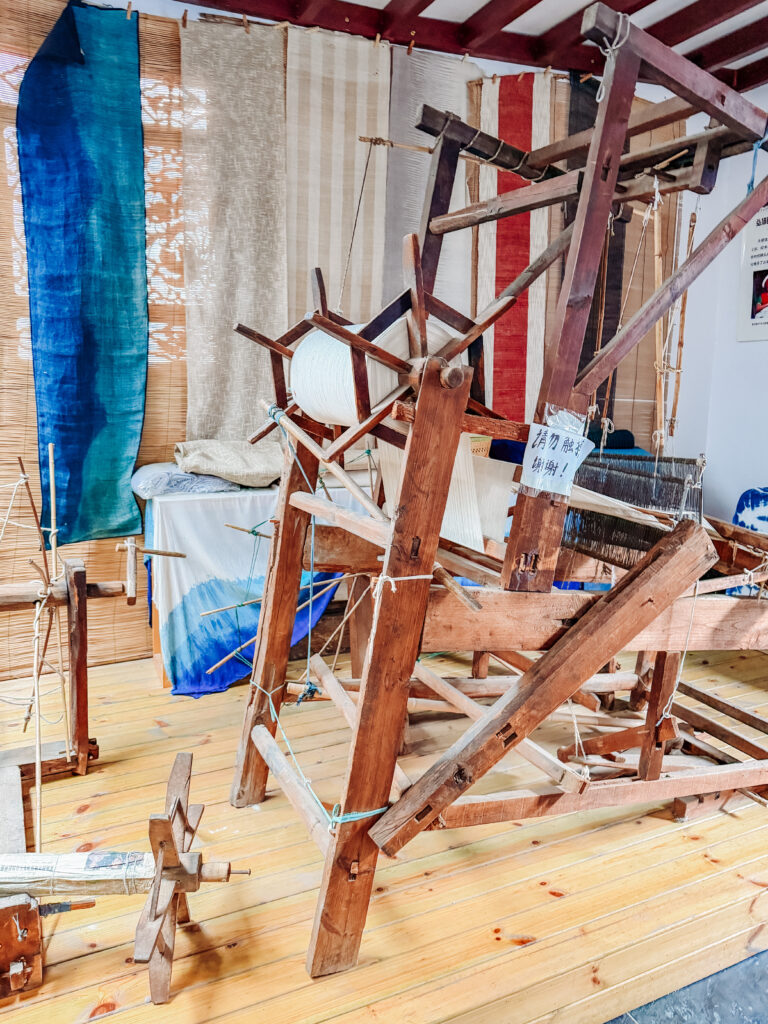
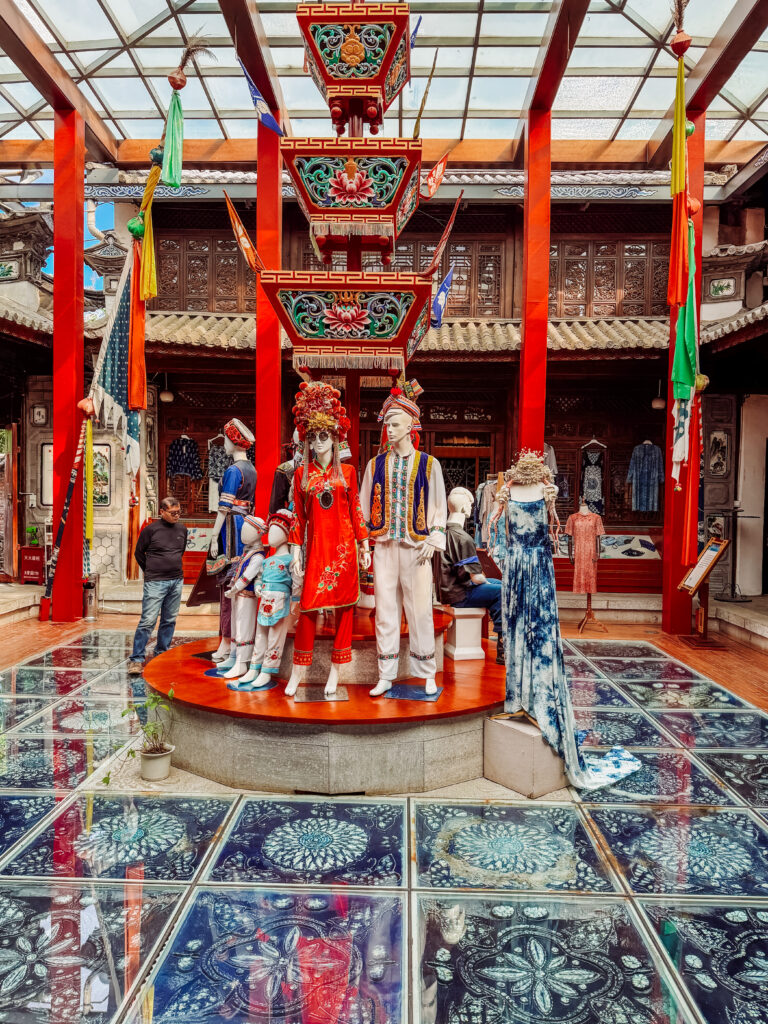
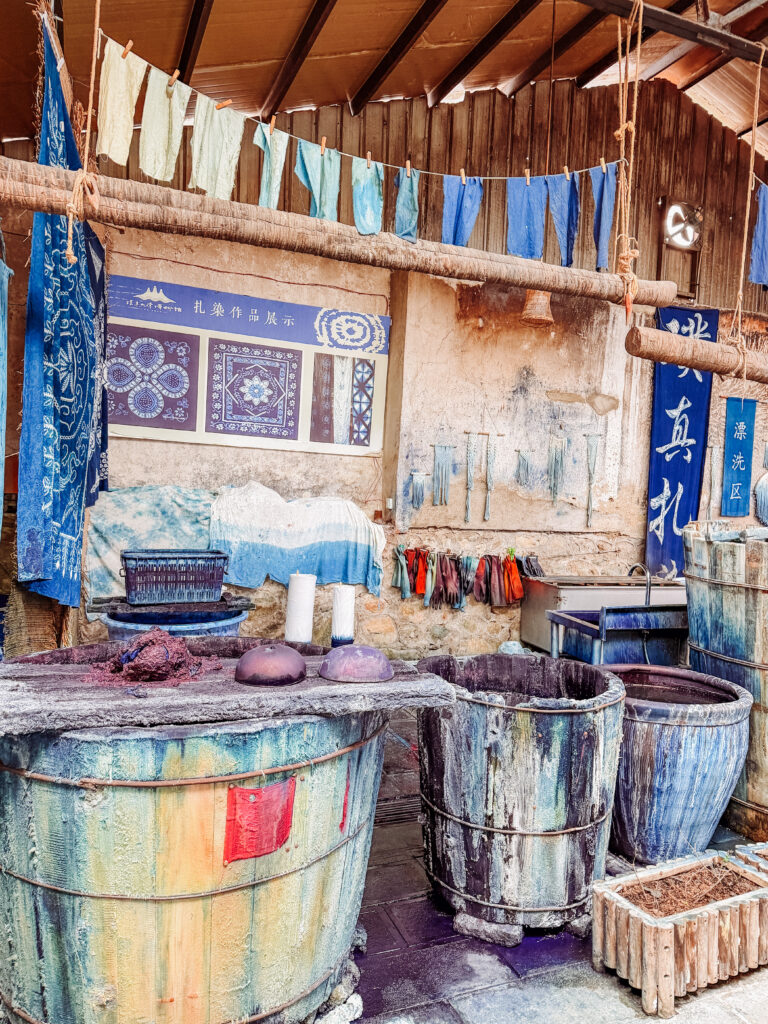
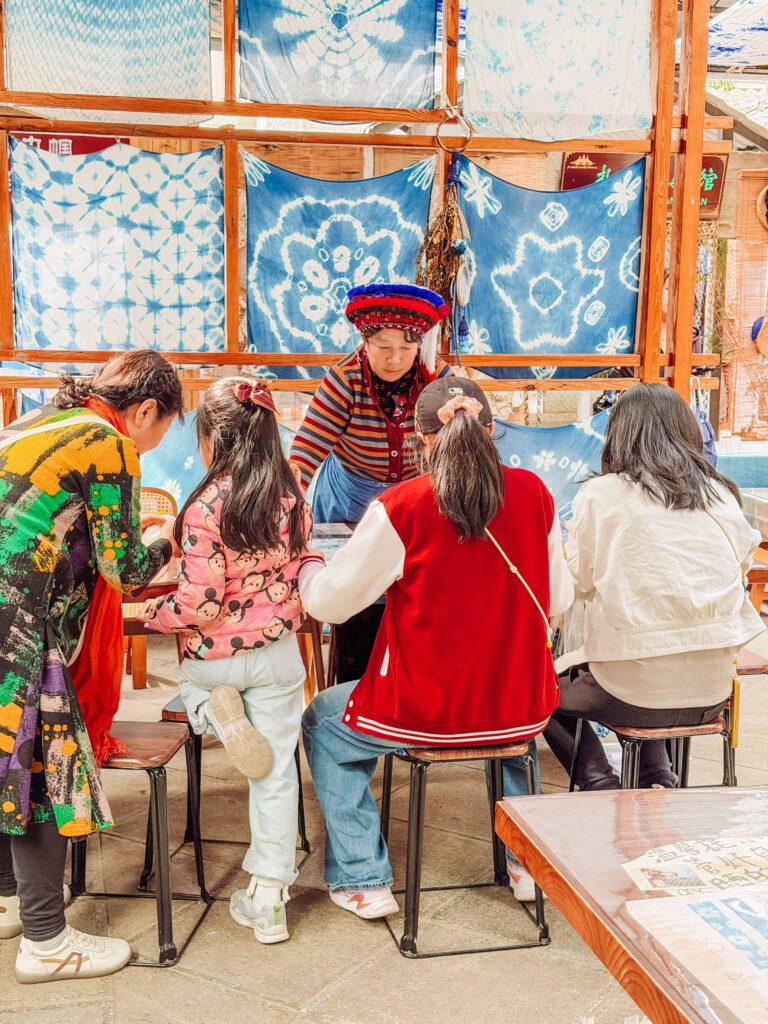
Walking the streets we saw ladies sitting sewing their pieces while selling their work. Bai women use a unique method of needle and thread sewing intricate patterns. The stitched areas resist the dye during the colouring and once dry the stitches are either removed or left in either way making a contrast against the coloured background. It is stunning and simple yet takes so much work. Dali is a place where you can witness these living traditions up close and it is important to remember these pieces take days of work and are not the ‘cheap China made’ items you may think of when Made in China is on a tag. These are handcrafted pieces of traditional skill. There are a lot of stores so be prepared to check them out, the ladies will get up and pull you to their store.
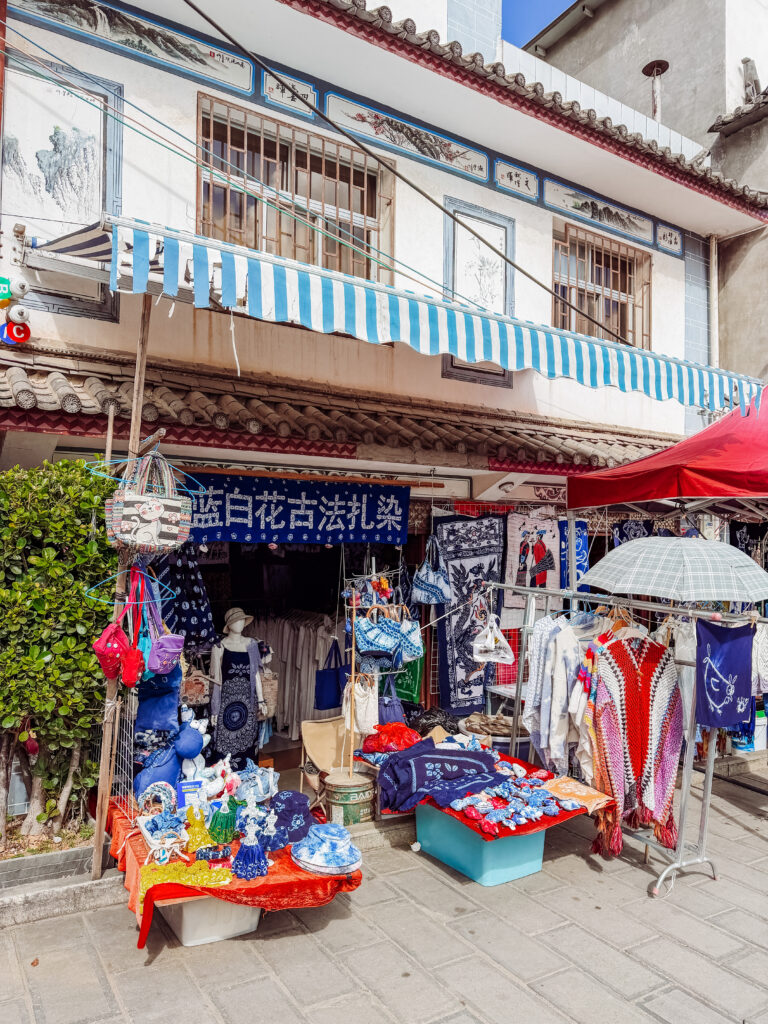
We walked a quiet street for a while and came across a funeral march, it was a somber reminder that these are local villages where people are living and working and should be respected as such. Zhoucheng is only a 10-minute drive from Xizhou Town, so combining these two destinations makes sense and that is what we did. We drove out to Zhoucheng first then on to Xizhou.
Xizhou
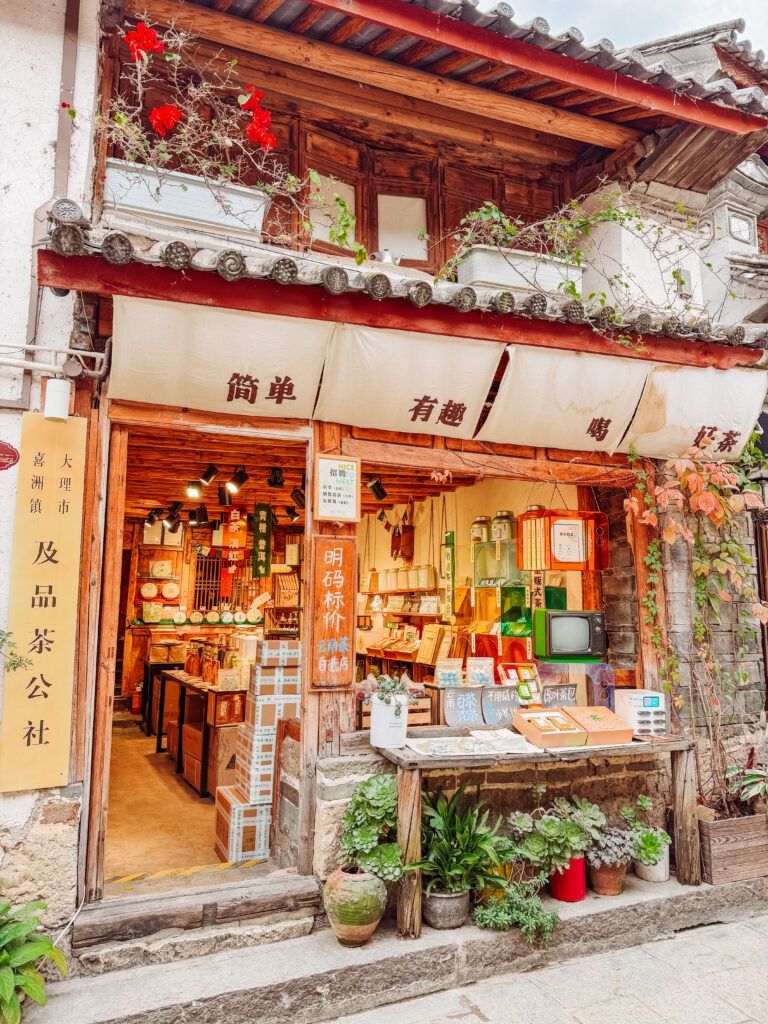
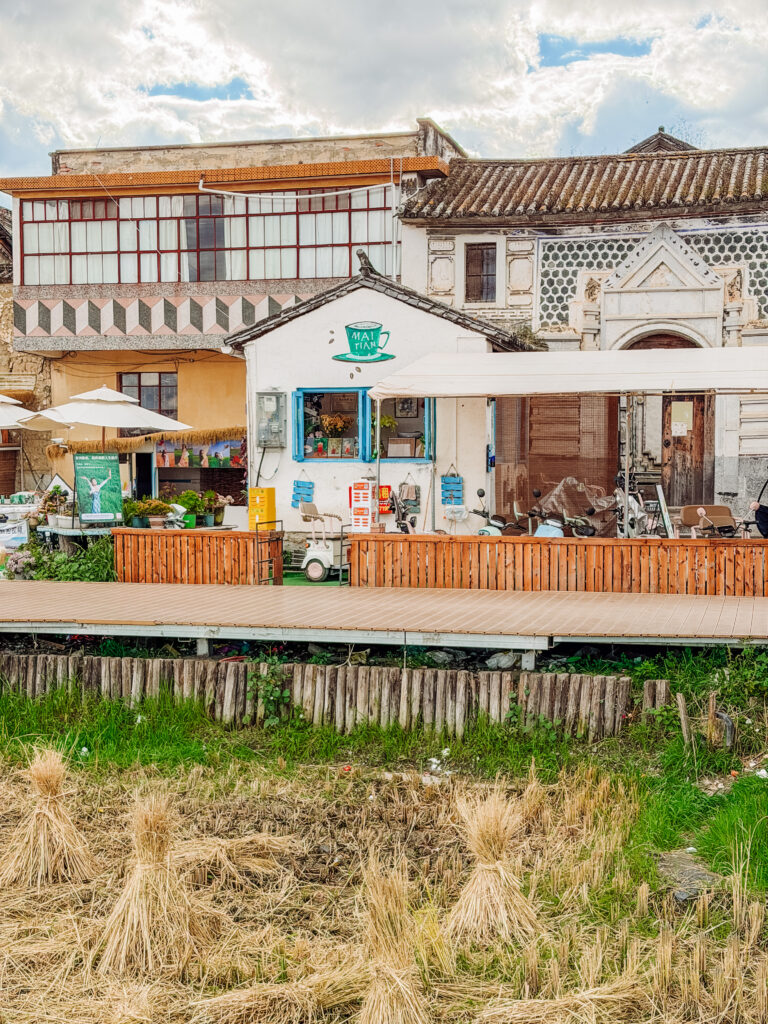
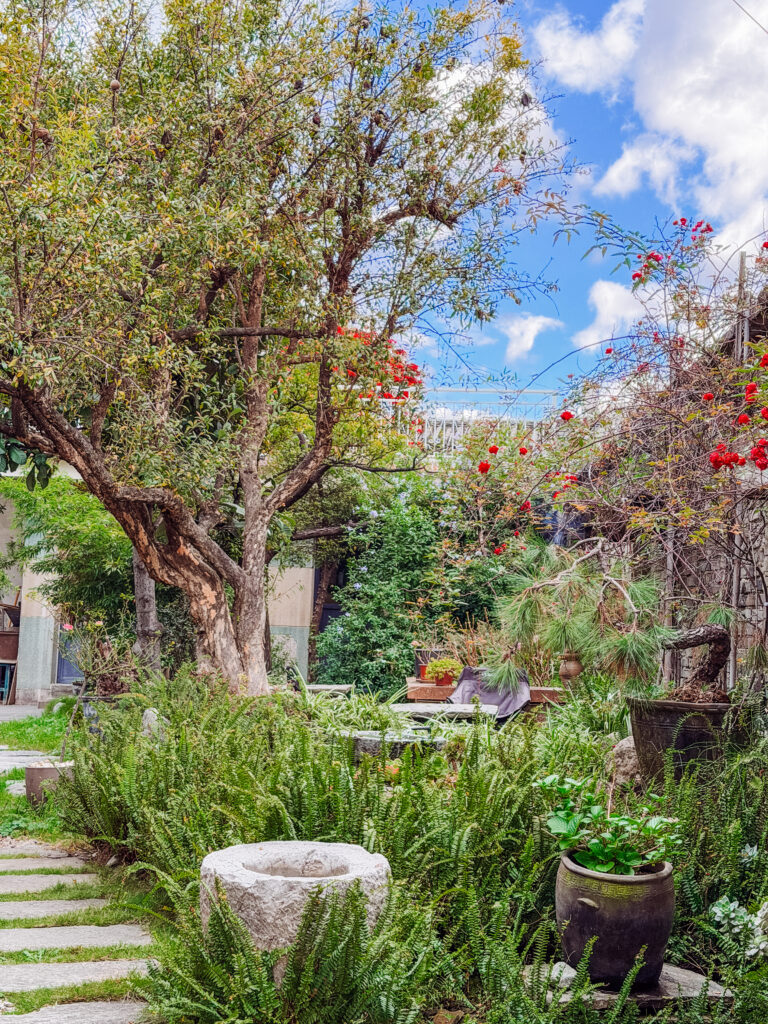
Xizhou is a really charming ancient town on or just near Lake Erhai and about 38km from Dali. We went there on our e-scooter and loved exploring it. Walking the streets here was so lovely we found corners which were quiet and peaceful and easy to enjoy the atmosphere. The town can get busy on weekends and holidays but going early can help to avoid any crowds.
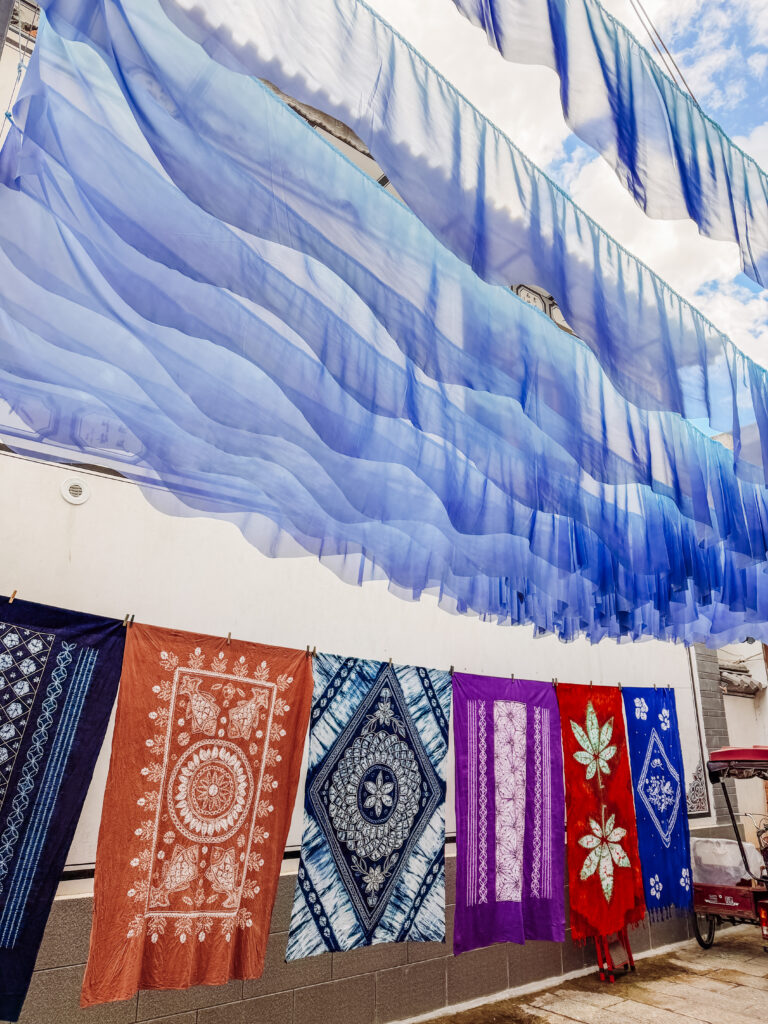
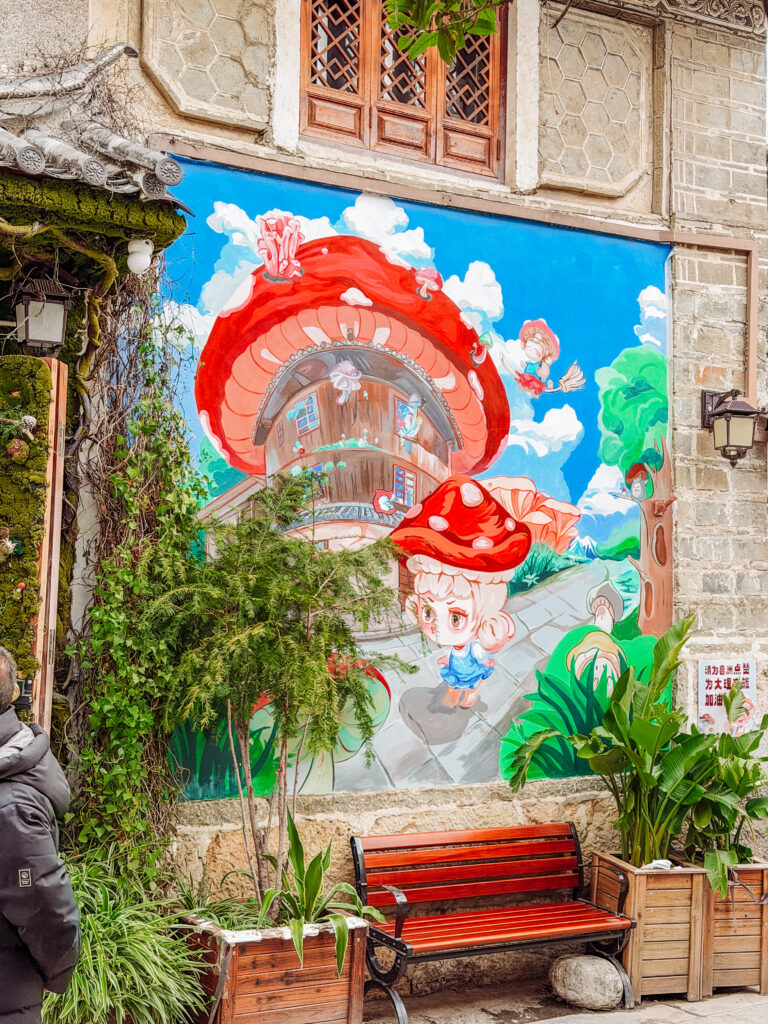
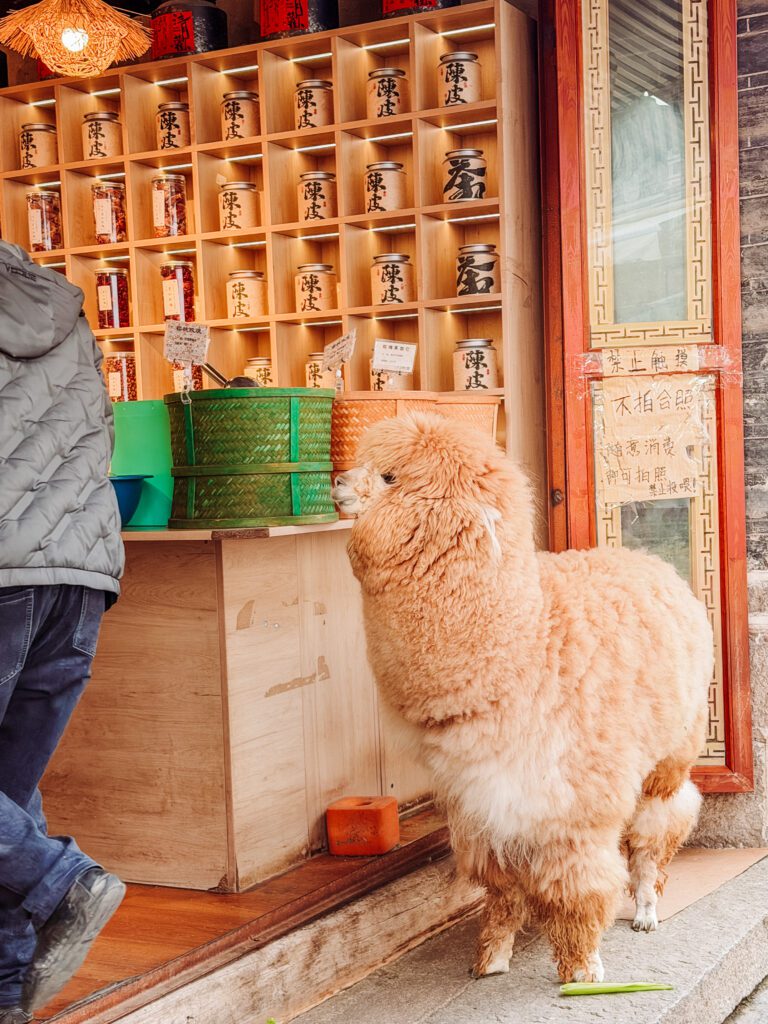
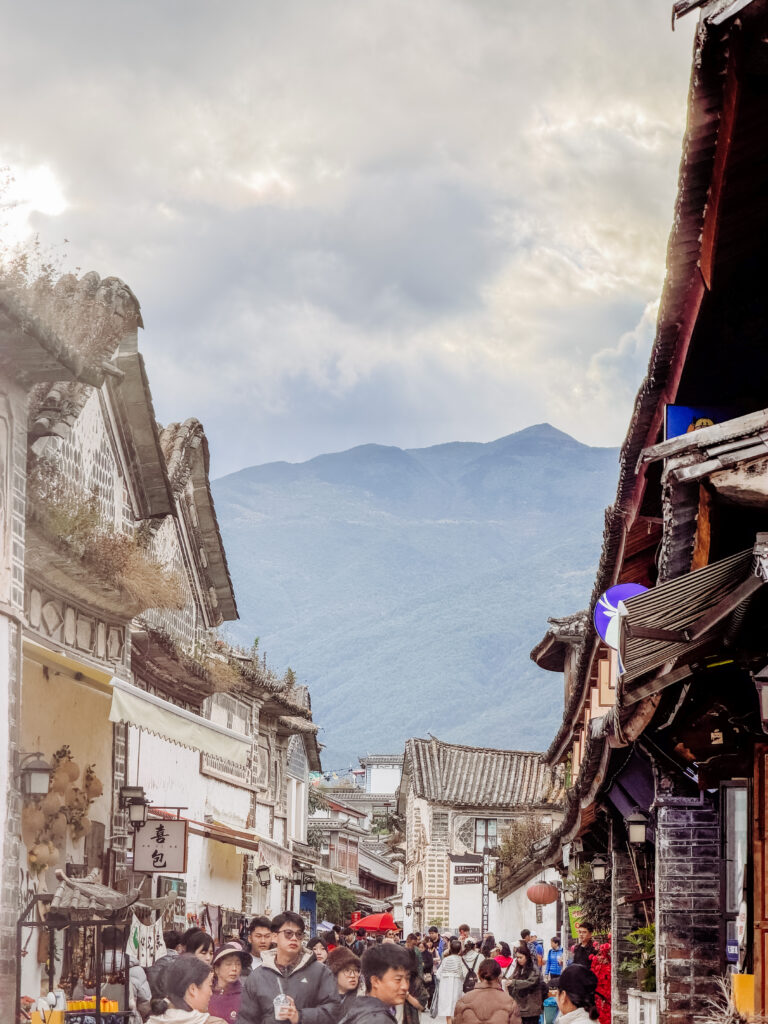
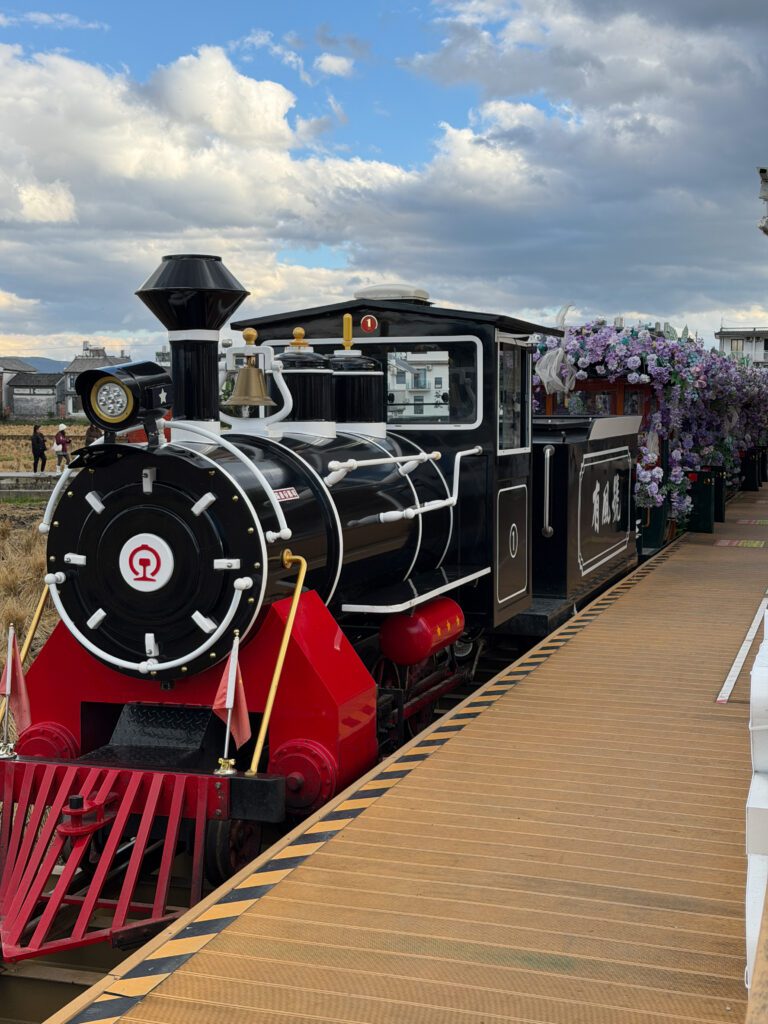
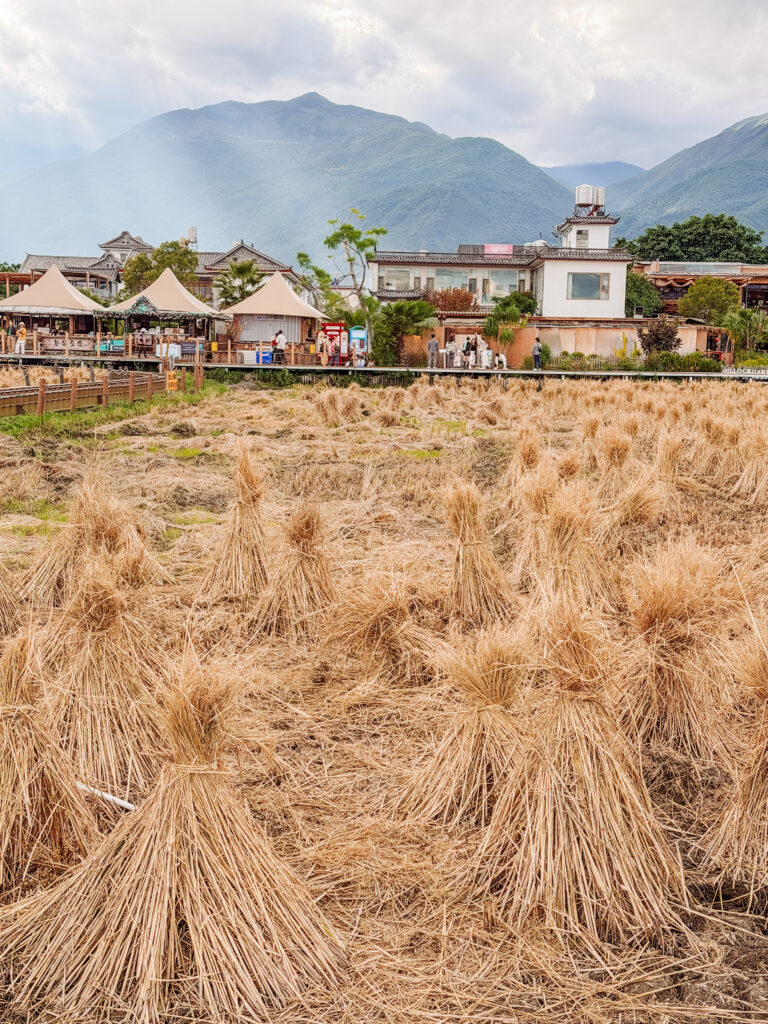
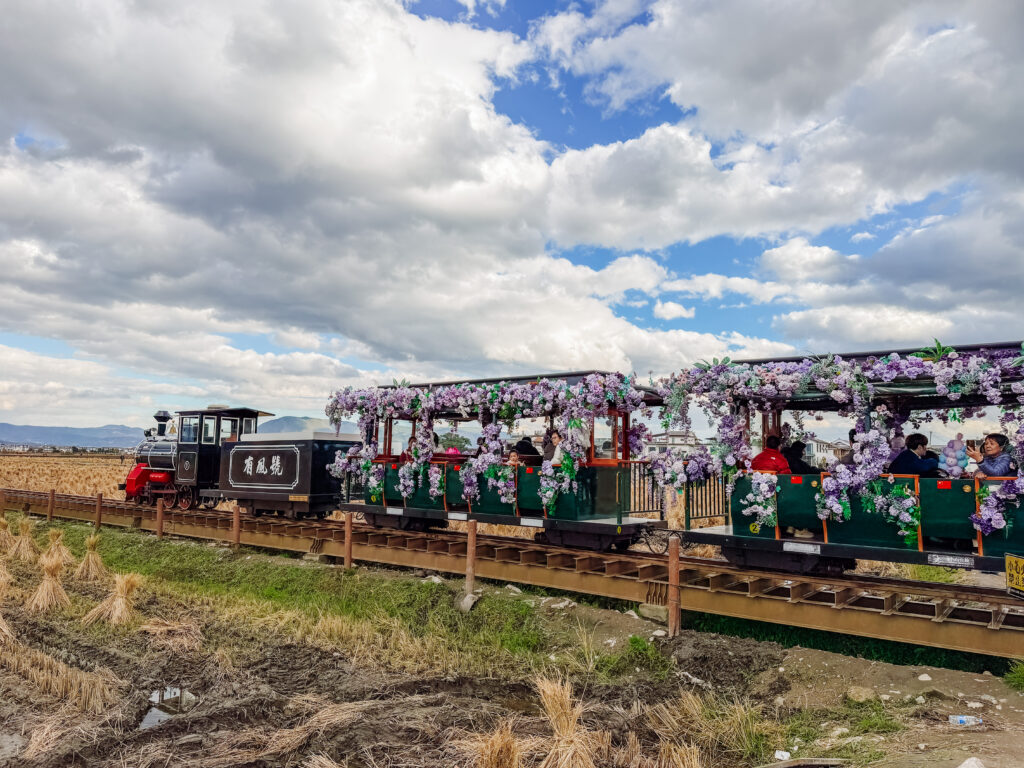
There is a popular train you can take through the rice fields which are green during May to August. We were there in November and it was already harvested and brown. You can combine the train with other activities while in Xizhou.
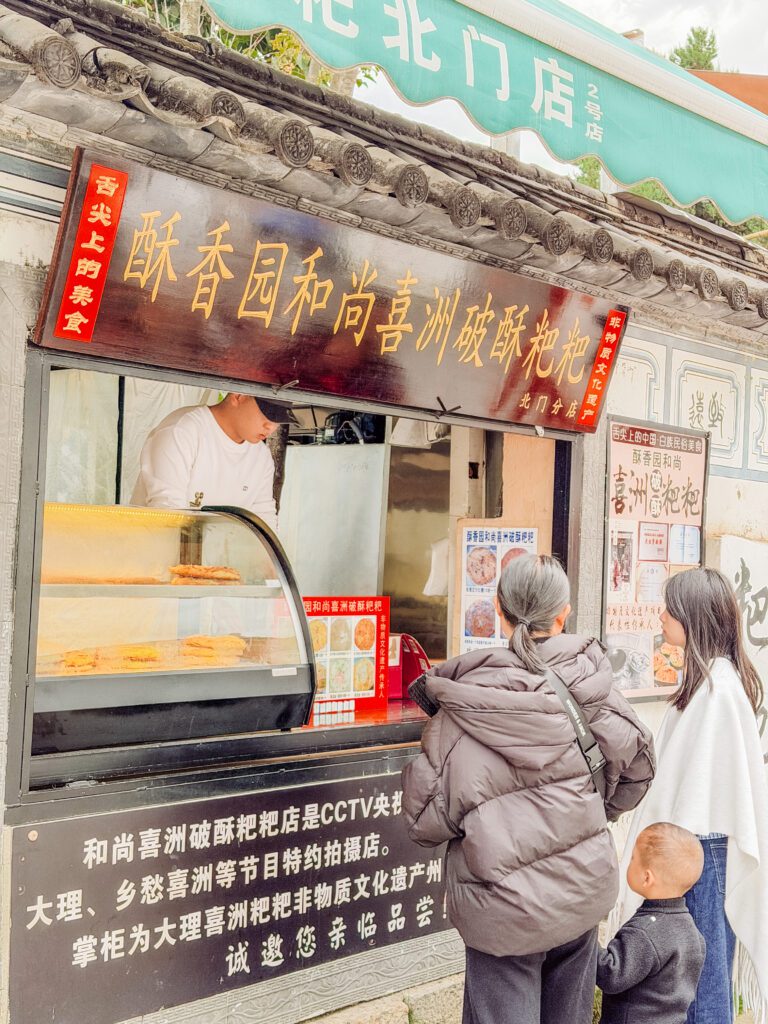
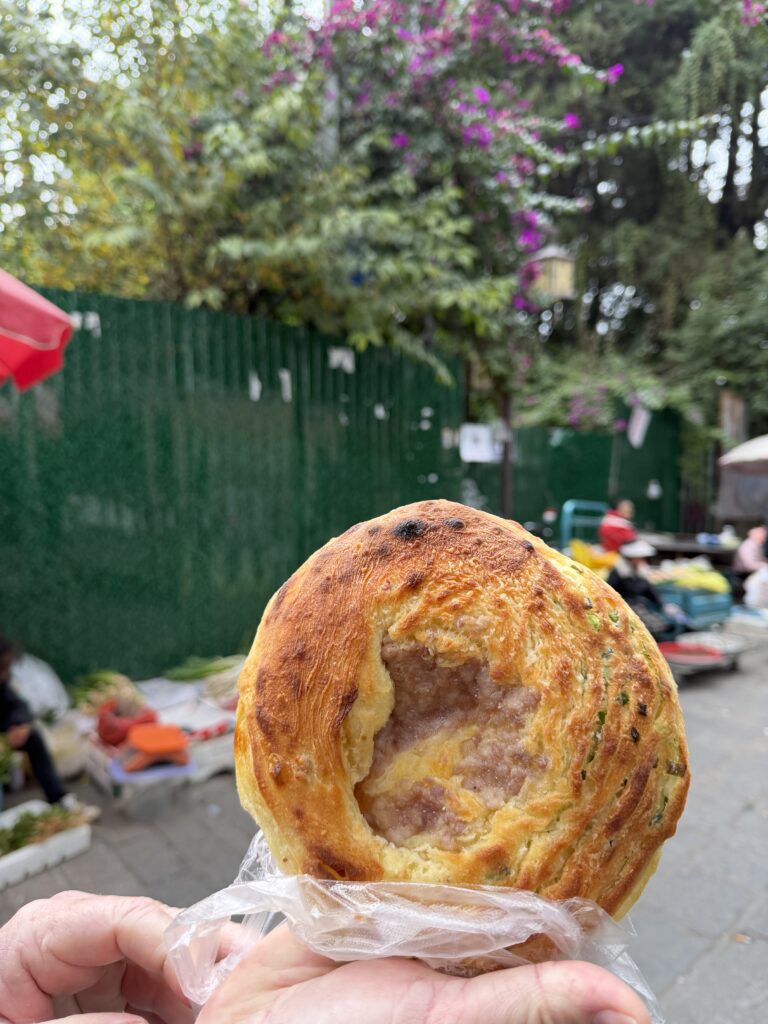
While in town try the Xizhou baba, a round flatbread baked in clay ovens that you’ll see being sold everywhere. They are usually savoury (minced pork, green onions and spices) or sweet (brown sugar or rose jam). Baba is a traditional snack all around the Yunnan region so you will find it in most towns, each has their own unique flavour. The towns are filled with cute coffee shops and the coffee is really good! We also found a great baba in a market in Dali.
Enjoying this guide? Support our blog by buying us a coffee

Fengyangyicun
This village is somewhere we didn’t get to but I really want to see it next trip. It looks really cute and apparently is the location for the filming of a C Drama which has made it more popular recently.
Ancient Villages on the East side of Erhai Lake that we are yet to visit:
Shuanglang Ancient Village
Shuanglang Ancient Village is perfect for photography with its gorgeous Erhai backdrop. It is called “the first scenic town of Er Lake”. Apparently it is a bit more commercialised and it is rather far away. It is good for pretty cafes and I think it sounds like a good stop for photos if driving a car around the lake.
Wascun/Wase Village
Known as another of the most scenic spots, look out for the famous S-bend street along the coastal road for photos.
Haidongzhen Village
This is where ‘Ideal Town’ or ‘Santorini of Dali’ is located, head toward the insta famous Dali Santorini Guyue Xareidu Sea View Resort Hotel to see the main area. This part of Erhai Lake has been created to look like Santorini. There are lots of hotels and it is a popular place for people to stay. You can walk the area but to go in and take pictures with the views you do have to buy a drink at the cafes or hotels. Look our for these scenic spots for photos:
- Nine-Bend Flower Street: Famous winding street with colourful flowers
- Staircase Alleys: White walls, arches, and bougainvillea for perfect Insta shots
- Glass Spheres & White Table Spots: Popular with wedding photographers
- Sky Ladder Platforms: Terraces that look like they lead into the clouds
Shaxi
Shaxi is so high on my list to visit on our next trip. It is halfway between Dali and Lijiang and is one of the best-preserved old towns of the ancient Tea Horse Road. Shaxi is full of its original charm as it is a little out of the way, although this is slowly changing as more people hear about it. I hope to get there an visit before it becomes too touristic. There is a market there on Fridays which would be a perfect time to visit, staying the night would also be a great way to soak up the small town feel. I think you could do a day trip from Dali or visit it when moving from Dali to Lijiang as it is between the two towns.
Dali Itinerary
2 Day Dali Itinerary
Spending 2 days in Dali is a great amount of time to see the town and surrounds, if you have more time you can move at a slower pace and see a few more of the surrounding towns.
Day 1 – Dali Itinerary
The first day in Dali has to be spent discovering the old streets of Dali Old Town. It is actually pretty large so will take a while, especially as there are also so many shops to check out. Get there early morning to take it in while it is calm and watch as it starts getting busy and opening up. Make sure to go up the North and South Gates to get views over the town.
Around 10:30am head up to the Jizhao Temple Nunnery. It is incredibly peaceful and a little work to get there but so worth it. They start lunch around 11am so you should get there in time to eat the most authentic Chinese food. Sit and soak up the tranquility before going down and grabbing a Didi stratght to the Three Pagodas. Spend the late afternoon wandering through the ancient 1,200 year old structures.
In the evening head back to Dali Old Town and get some dinner, you have to try the crossing the bridge noodles which is famous in the Yunnan.
Day 2 – Dali Itinerary
In the morning go straight up to the first fo the ancient lake villages, Zhoucheng Village. Check out the town and the beautiful tie dye process. Jump back on the bike or car and head to Xihou Village and wander the streets.
Next up head to Erhai Lake S1 area and take in the chill vibes, grab a coffee or some food and take a walk along the lake.
If you have time left head up a cable car to see the Cangshan Mountains and the view over the town and lake. Alternatively if you prefer or you have a car available keep driving around the lake and visit the towns on the Eastern side.
Best Time to Visit Dali
The best time of year to visit Dali is during Spring and Autumn. We were there in November and it was perfect! Gorgeous days and only a slight chill in the air. Due to its location it does have a mild climate but this does vary during the seasons.
As always I would avoid any peak Chinese holiday times which are around:
- Chinese New Year (Spring Festival): Mid February (can last over a week)
- National Day (Golden Week): Start of October
- Labor Day (May Day): Start of May
- Summer Vacation: July and August (Student holidays)
Is Dali Expensive?
Dali was much the same as everywhere in China in terms of pricing. We are mid range travellers and spent approximately $70 USD (as a couple) per day. Some days less, some more and included accommodation, food, transport and tickets.
China has the most incredible accomodation options-the value for quality ratio is perfect. You really do get good accomodation for an affordable price. We always book on Trip as they are pretty much the national booking platform for everything in China.
What to Eat in Dali
There are lots of interesting local foods that you should try in the Yunnan area. It is famous for its rice noodles, yak meat and mushrooms!
Local Yunnan Food to Try
- Baba – stuffed flatbreads with unique flavours for each area
- Crossing the Bridge Rice Noodles – absolutely infamous. There is a sweet story that they are called this because of a wife who separated out her husbands lunch so when she walked to his work site (which involved crossing a bridge) she would mix them on site and it would be much fresher and more delicious.
- Yak meat skewers – often coated with spices
- Wild mushroom hot pot – be cautious-read note below
- Tibetan Hot Pot – like a buttery, milky yak stew
- Bamboo Rice – delicious and similar to that in Yangshuo
- Fried Milk – topped with traditional rose jam – we tried this in Lijiang
Word of caution: The Yunnan is famous for its wild mushrooms and the hot pots are the most popular way to experience them. However there are some that will serve toxic wild mushrooms, they will make sure you have a timer to cook the hot pot for the exact amount of time for it to become safe to consume. You should also be given a small vial of the soup so if you do get sick you can give it to the hospital and they should be able to treat you more quickly for the exact type of mushroom. This feels incredibly risky yet loads of people love it and it does smell incredibly good.
Best baba in Dali
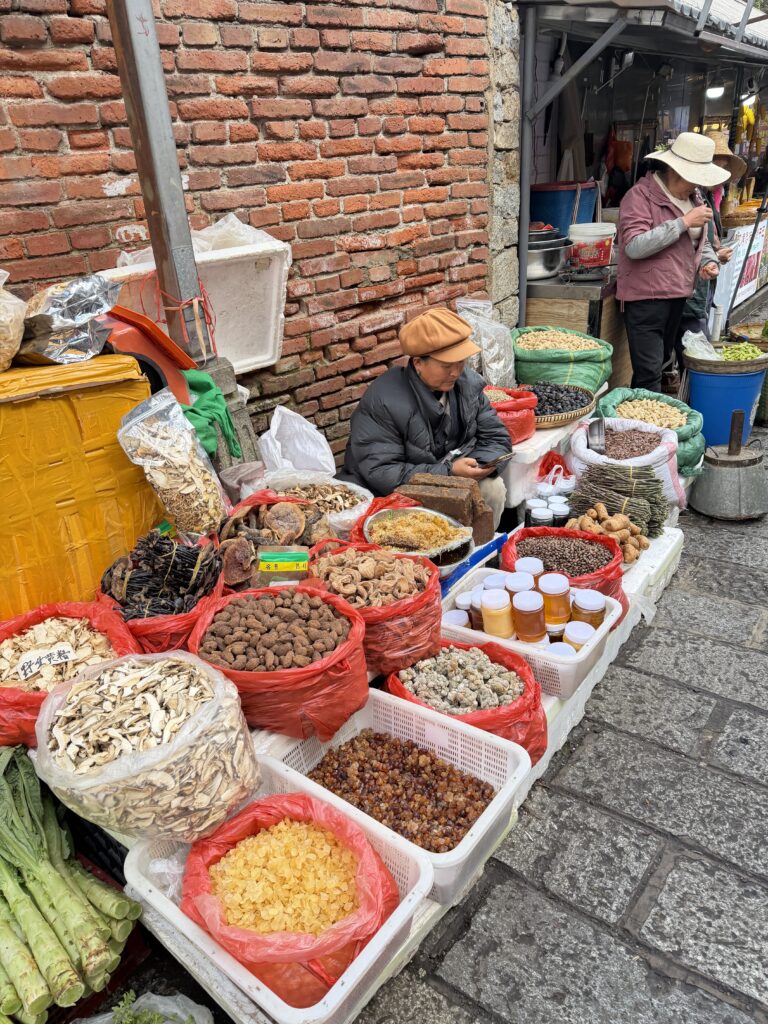
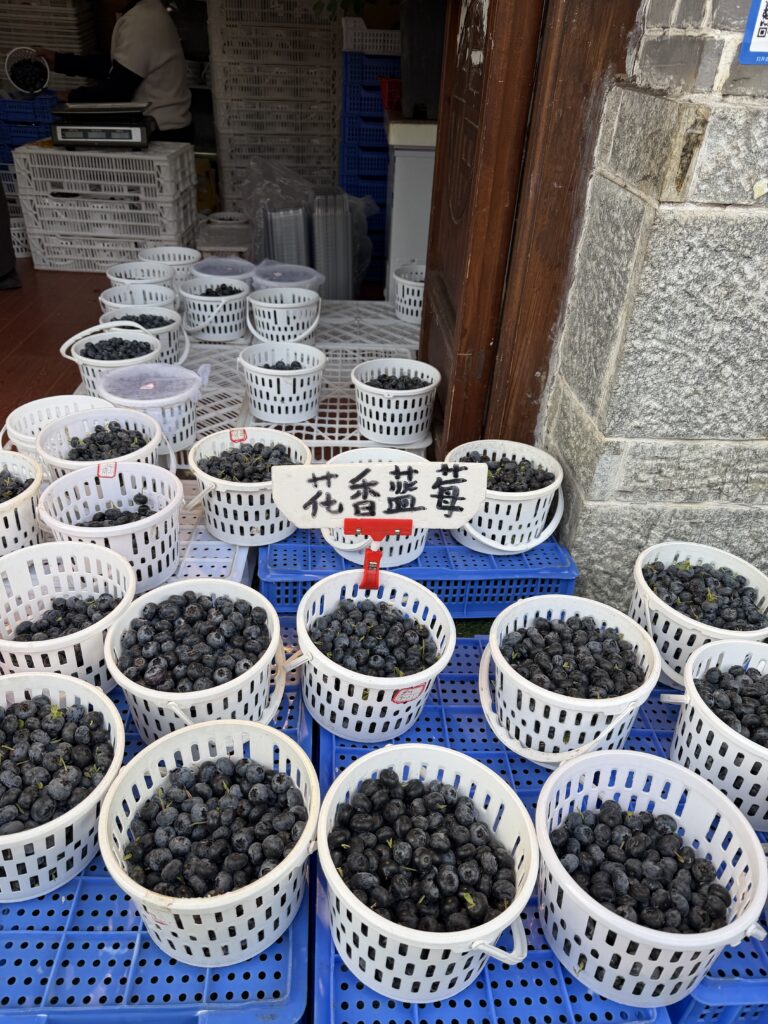
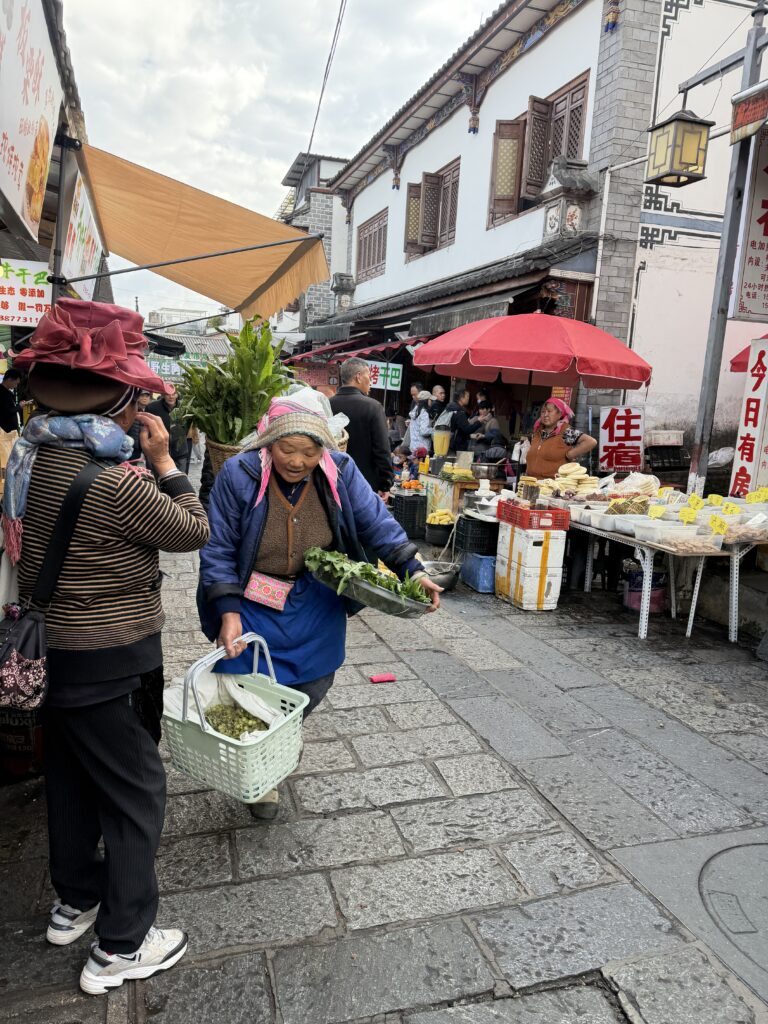
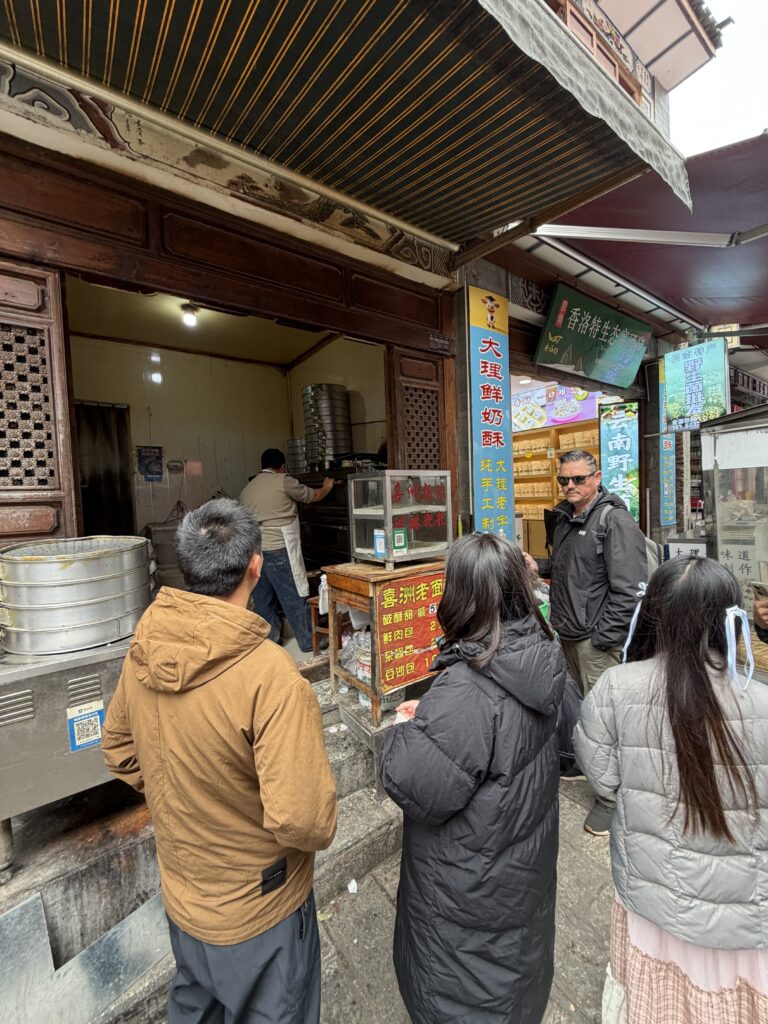
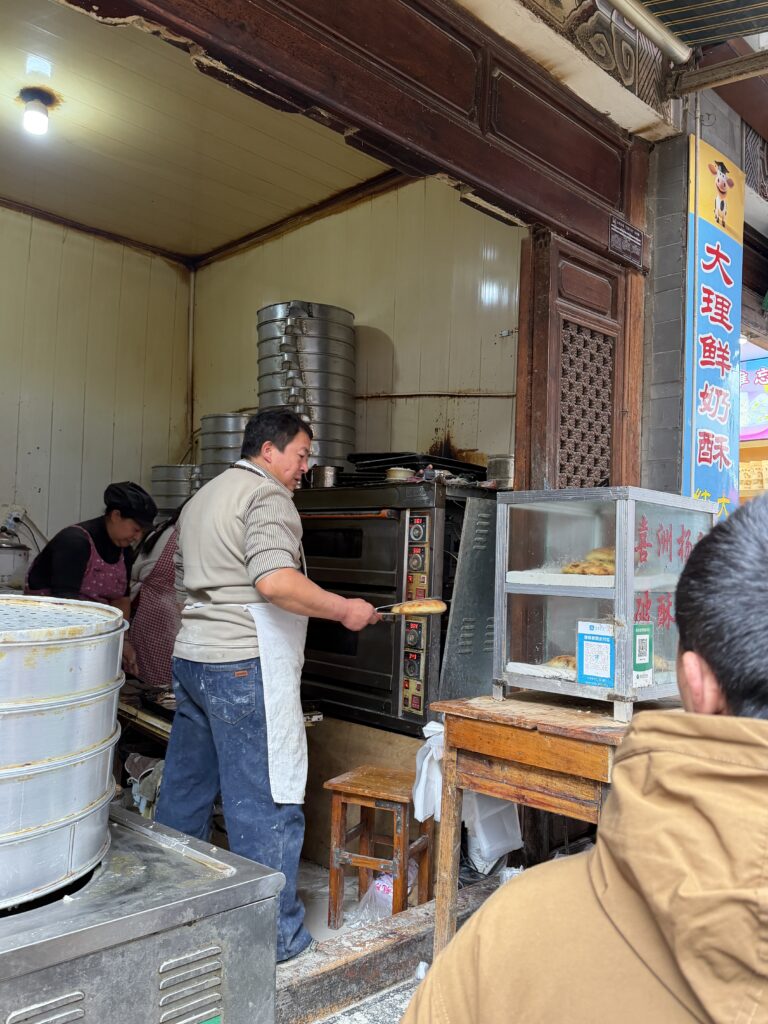
We found what Mike thinks is the best baba in Dali, head over to the Dali Ancient City Fair Trade Market and walk through it, you will pass fresh fruit and veg, a meat and milk market before getting to the top of the hill on the way out. Here is where you will find a really popular steamed bun stall. It is cheap, fresh and delicious. These are popular for breakfast so there will be a line up and as always, if the locals are lining up for it, it is generally good! I think this is the location but if not look out for the signs in the photos below, it will be really close by.
Where to stay in Dali
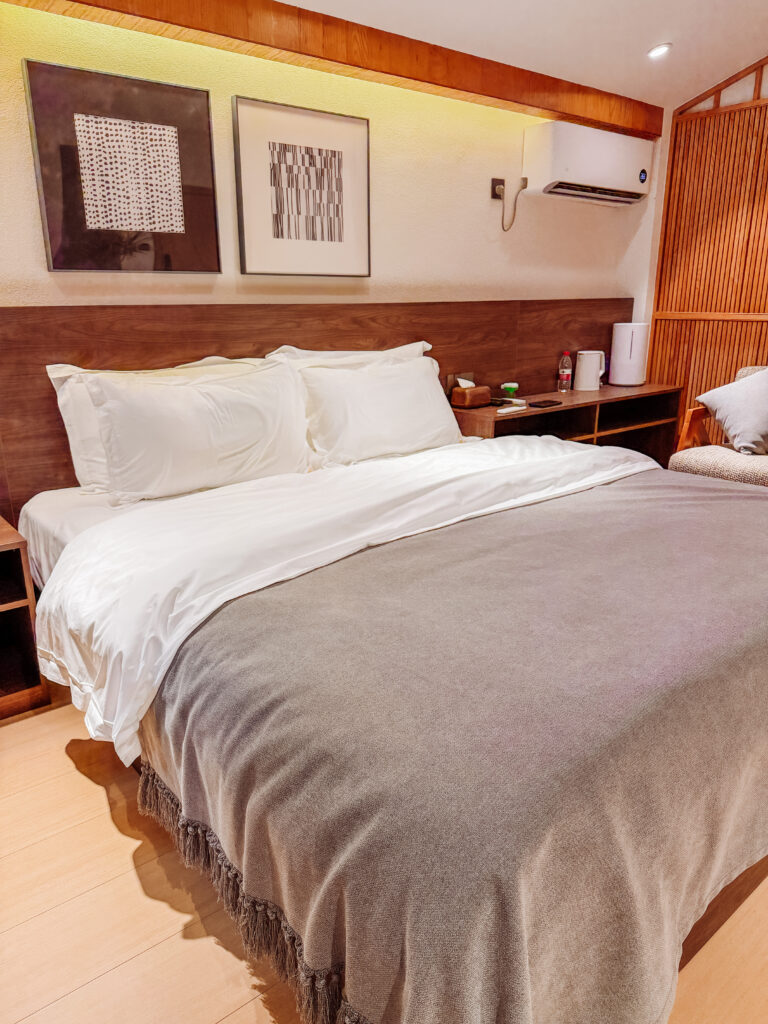
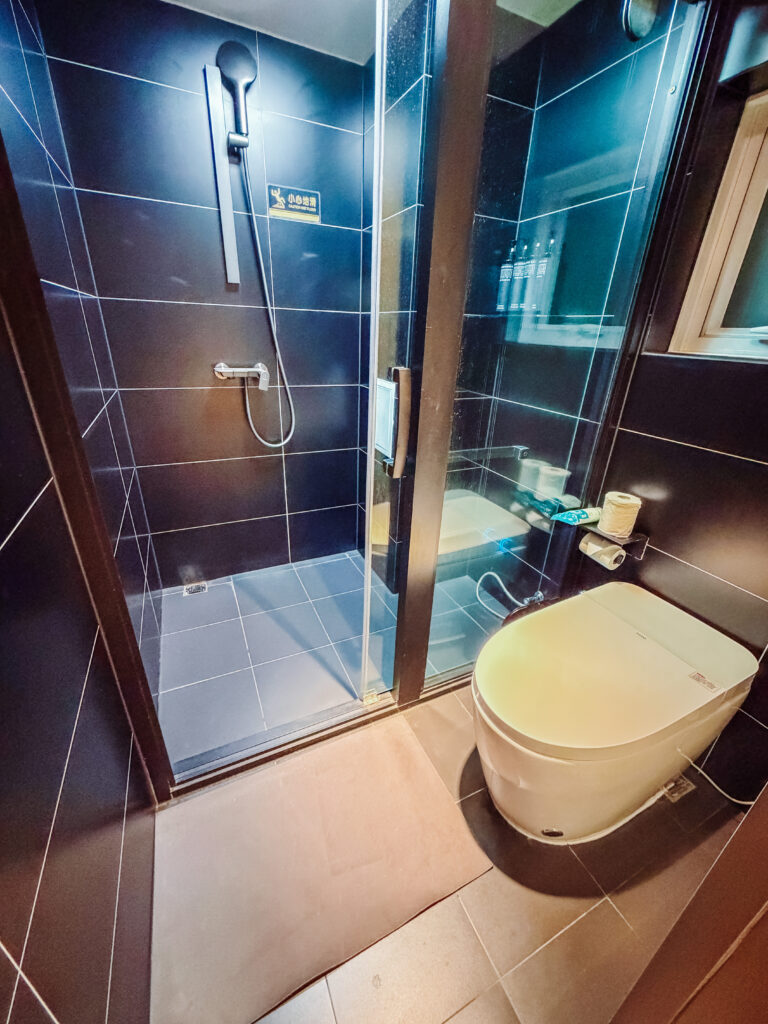
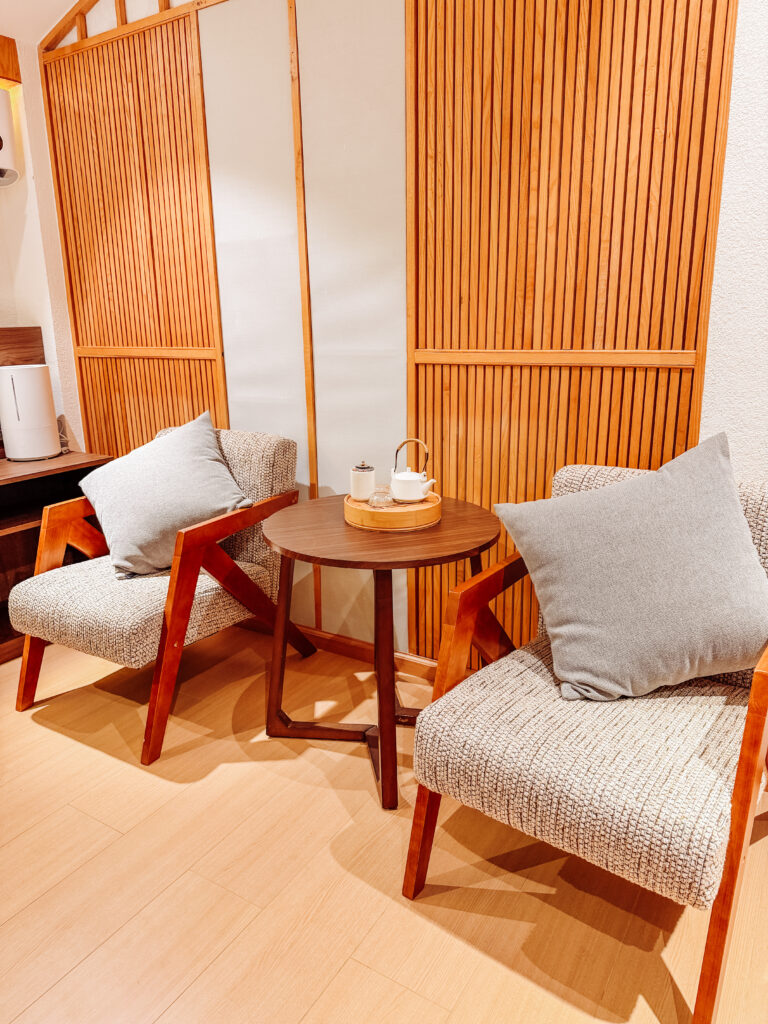
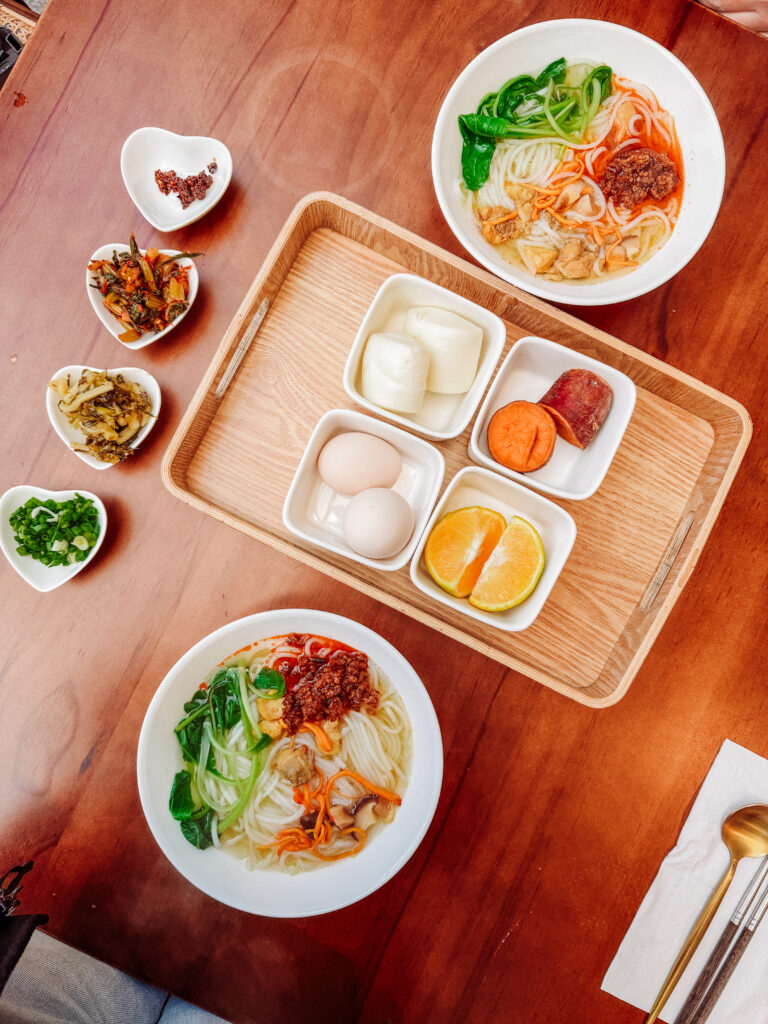
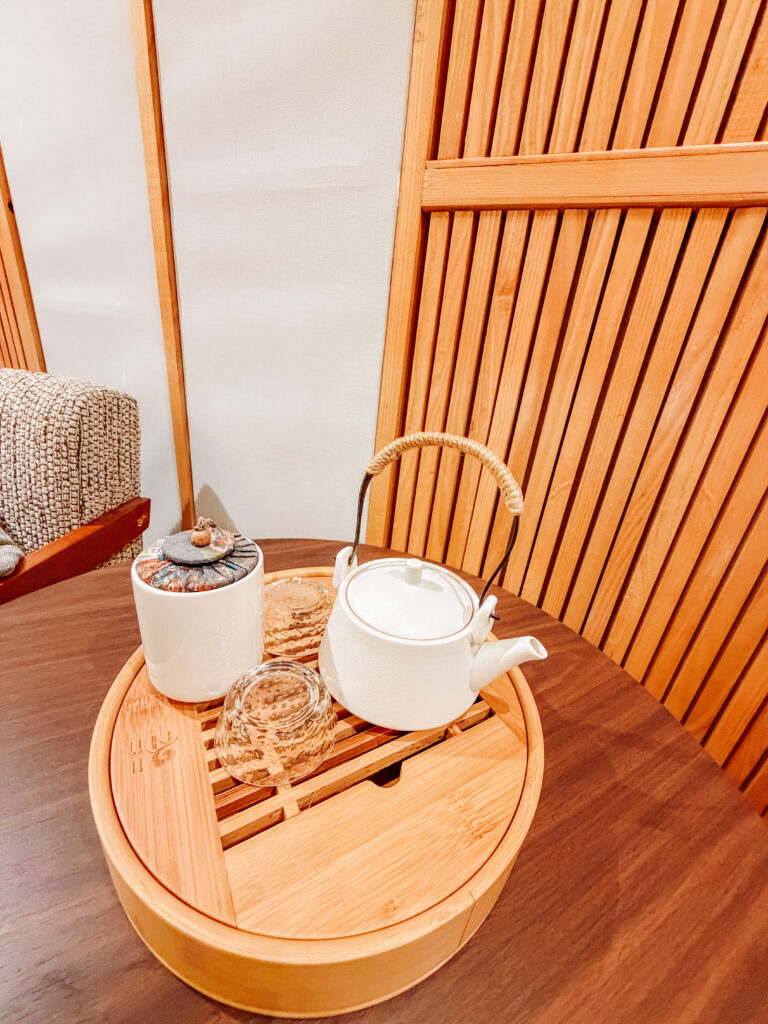
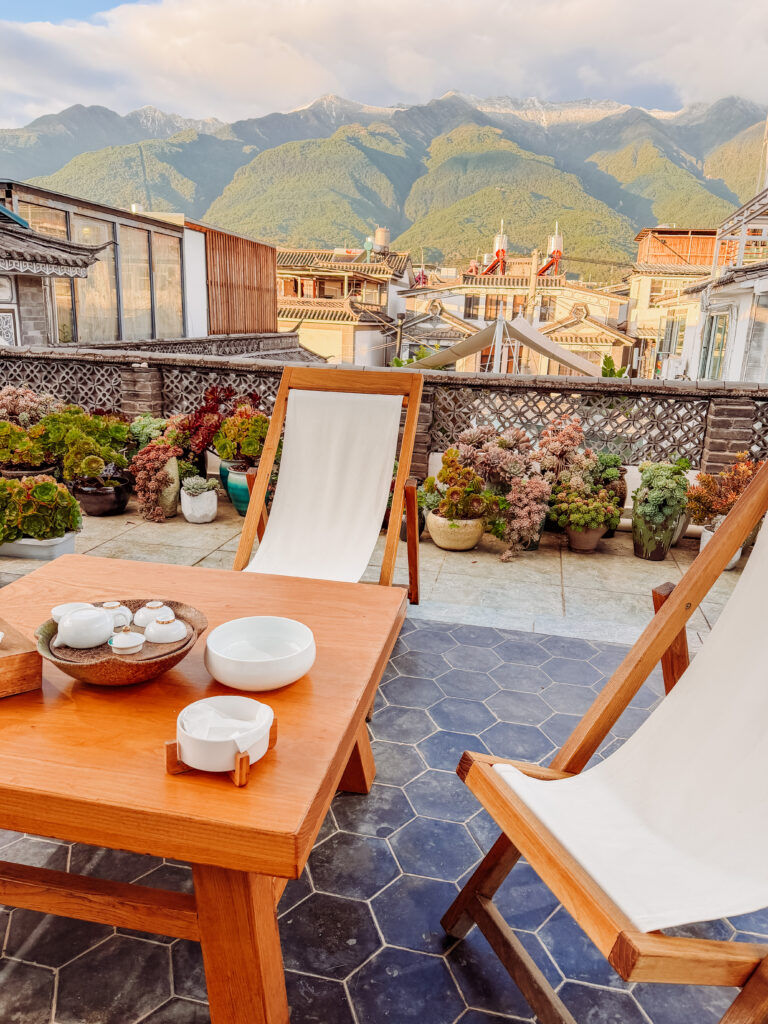
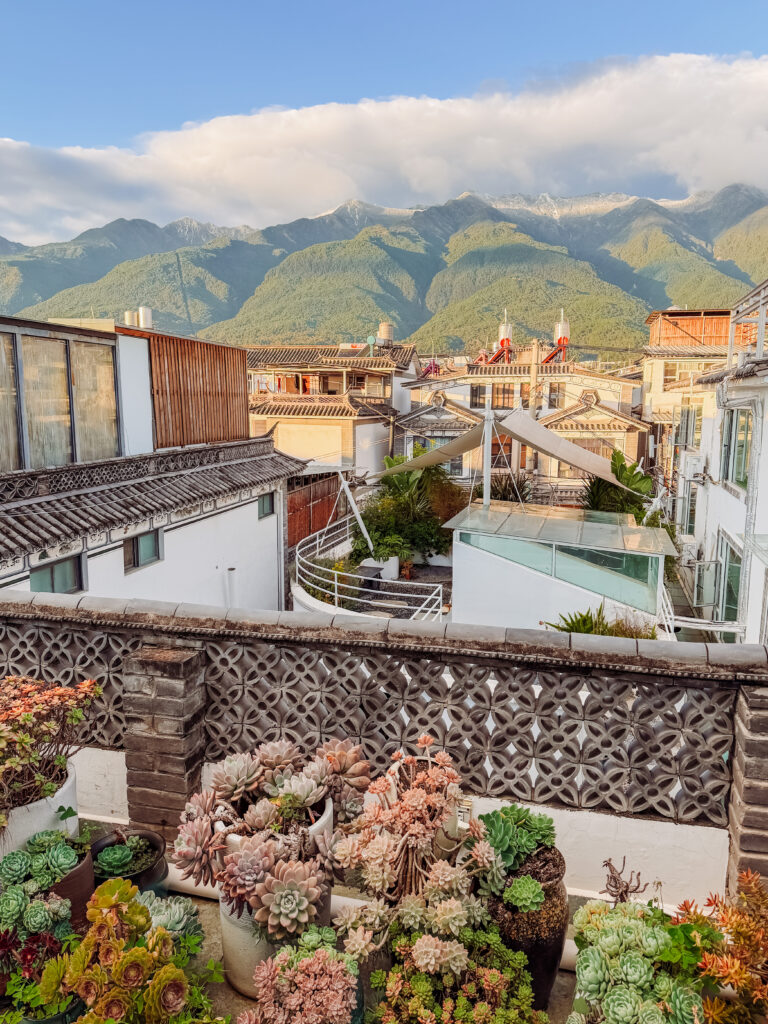
We stayed in a really sweet little hotel, the rooms were very clean and comfortable and the breakfast was excellent. We stayed in the Stargazing Moonlit Grand Bed Room for approx $40 USD/pn but they also have a lot of cheaper rooms which really nice. In the Yunnan area you will always get a delicious rice noodle soup for breakfast and it was just perfect on the slightly chilly November mornings. Adding vegetables and chilli to it makes it even more delicious. The rooftop had a washing machine for guests use and a sitting area with mountain views.

How to Get to Dali
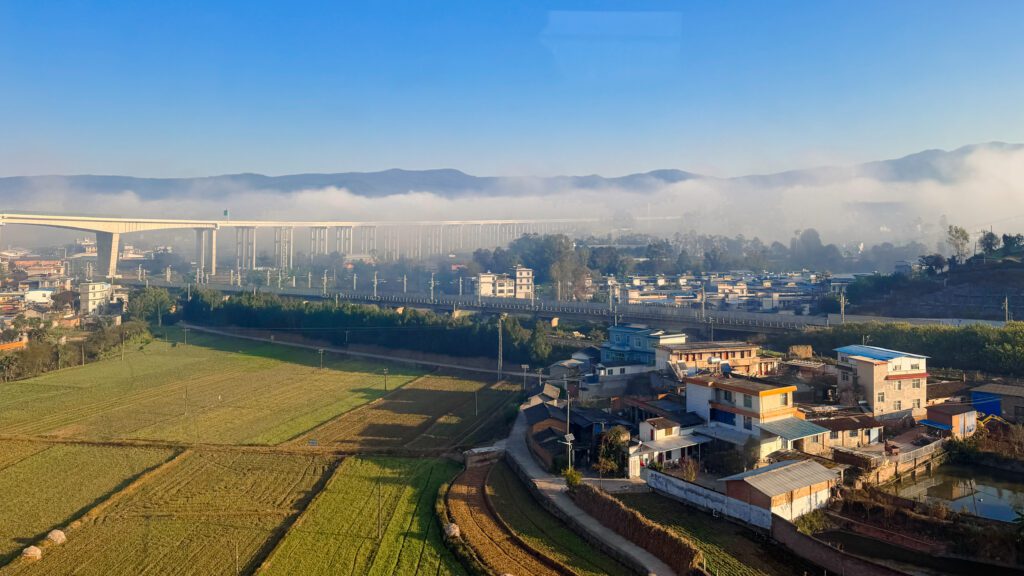
Dali is easy to reach, the fastest and easiest option is by train, which links Dali to Kunming (the capital of the Yunnan and where most people will fly into in this area). We actually flew into Lijiang airport and went to Dali from Lijiang by train (we went backwards to the usual route due to flight pricing). There is also a small airport in Dali for domestic flight connections. If you do fly into Dali Aiport there is a shuttle bus you can book to get into town. From the Dali Train Staion we caught a Didi straight to our accommodation in Old Dali Town. We love taking the train as much as possible in China so we can check out the views as we travel, the trains are clean, organised and really easy to navigate.
How to Add Dali to Your China Itinerary
Dali is a hidden gem that should be on your radar. Add it to your itinerary to fit nicely between Kunming and Lijiang. Dali may seem off the beaten track to first time visitors to China but it is so worth adding in. You can check out our 2 week China itineraries or 4 week China itineraries to see where it fits but you can also fly here from Shanghai, Zhangjiajie, Beijing or Chengdu.
Travel Tips for Dali
Altitude considerations – Dali sits at about 2000m/6500ft above sea level but we didn’t notice any issues due to this. Apparently if you are travelling here direct from a very low lying area it may cause an issue, we came from Zhangjiajie area and it wasn’t a problem. The Cangshan Mountains can reach up to 4000m which is much higher and a consideration if going to the top.
Transport tips – Getting around Dali is pretty easy, you can use Didi China almost everywhere. We grabbed an e-scooter from a little rental shop 3 doors down from our accommodation. It was cheap and worked perfectly to get us around the lake to the villages. You can take a charging cable with you so if you need to top up you can find somewhere to plug in but we didn’t need it. The rental agency will let you know the furtherest distance you can take it.
Language barriers – Unless you speak Mandarin you will not understand what most people are saying. All you need is Google Translate and WeChat. Google Translate is great to quickly ask questions while out and about, you can use the typing function and let them read it or use the microphone function and put it on speaker. WeChat is fantastic for times when you are going to speak to the person for a while, you become friends on the WeChat app and then type to each other messages that are translated into your own language. It is genius and everyone in China has it. Check out all our China Travel Tips on our dedicated post to see what you really need to know.
Frequently Asked Questions about Dali, China
Is Dali worth visiting?
Absolutely Yes! It is such a cool place to explore and the towns nearby are just as lovely. It is the perfect place to soak up the culture and nature of the Yunnan area.
How many days do you need in Dali?
2 days in Dali is ideal or for a deeper experience 3-4 days.
What is Dali famous for?
Dali is famous for its Erhai Lake, Cangshan Mountains and Bai ethnic culture.
Dali vs Lijiang: Which Should You Visit?
This is a personal opinion and will be different for everyone. Honestly you would have to visit both to decide but personally I actually liked Lijiang just a little bit better. I think it is an unpopular opinion but Lijiang felt a little smaller, quieter and more wholesome. Both are great and I would visit both, I just fell for Lijiang a little harder. Check out our time in Lijiang and let me know which you are most excited to visit?
When is the best time to visit Dali?
Due to Dali’s location the climate is relatively mild. The best times to visit are Spring (March to May) and Autumn (September to November). In Summer it is rainy and Winter is dry and quite cold.
Is Dali Worth It Compared to the Rest of China?
Dali is definitely worth it compared to the rest of China. China is a massive country and Dali holds up against other destinations for its beauty and unique culutre.
Dali is the home of some of the most interesting minorities and culture in China. If you are looking to experience culture and nature you will love it here…it’s a place that quietly steals your heart.
Plan your trip:
👉 Read next: Tiger Leaping Gorge and Shangri-La Day Trip
👉 Plan your trip: 2-Week China Itinerary or our 4-Week China Itinerary
👉 Don’t miss: Furong Town – China’s Magical Town on a Waterfall
Want to see it all in action? Watch our full China series on YouTube (subscribe to our channel to stay up to date with our travel guides) and follow along on Instagram @passport_nomads and @kelly___buckley for real-time travel tips, guides, and behind-the-scenes moments.
We hope this guide helped you plan an unforgettable trip.
If you’d like to support our work, you can buy us a coffee here ☕ — it helps us keep creating free, in-depth travel guides for destinations around the world.